There’s something about opening the hood and seeing a shiny new intake that makes a car feel faster before you even turn the key. But once the excitement wears off, there’s an obvious question: are cold air intakes actually worth it?
The short answer is: they can be.
A good cold air intake can improve airflow to the engine, sharpen throttle response, add some intake noise, and potentially make a little more power. But not every intake is created equal, and bolting a giant cone filter onto your engine bay doesn't automatically mean you're making more horsepower.
So, what are you actually getting for your money?
What Does a Cold Air Intake Actually Do?
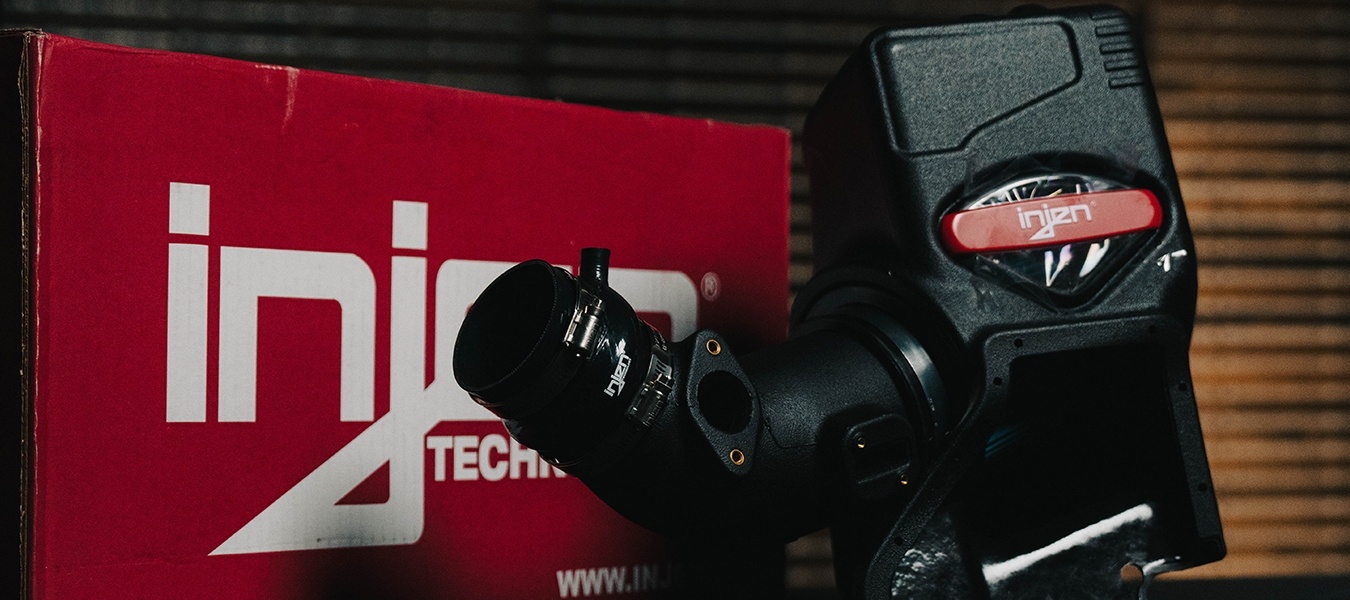
Your engine needs air to make power, and the factory intake system is designed to deliver that air while keeping things quiet, efficient, and reliable. An aftermarket cold air intake changes that system to prioritize airflow and, depending on the design, cooler incoming air.
The goal is pretty simple: get more air into the engine with less restriction.
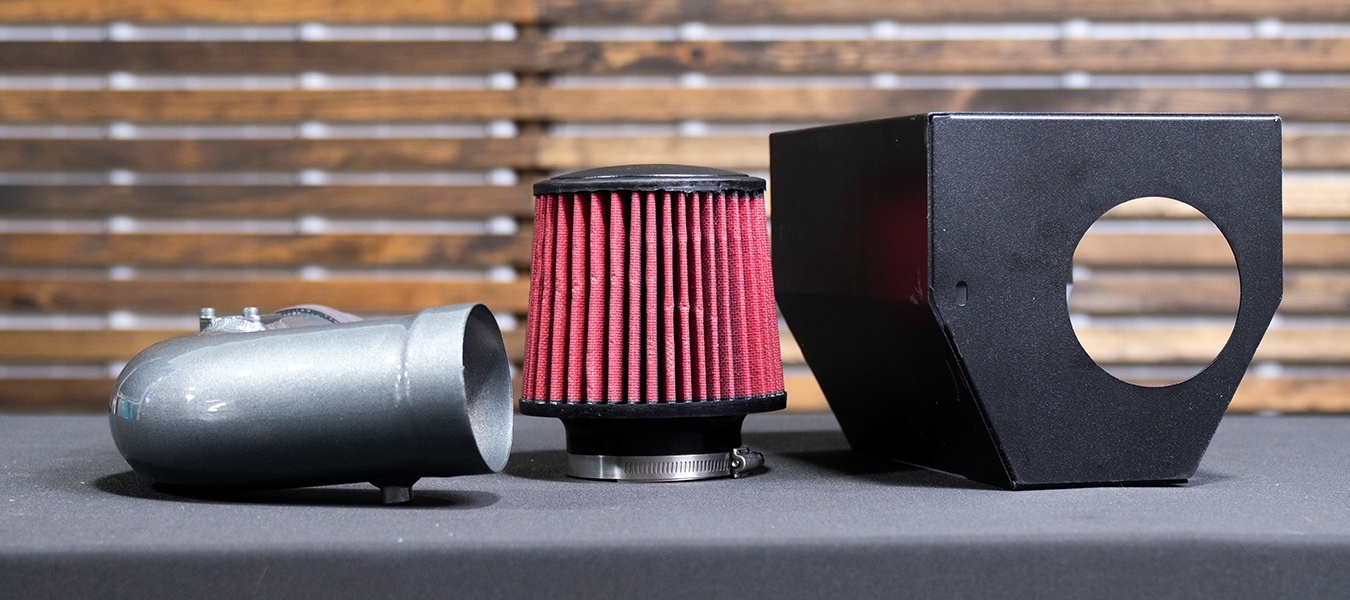
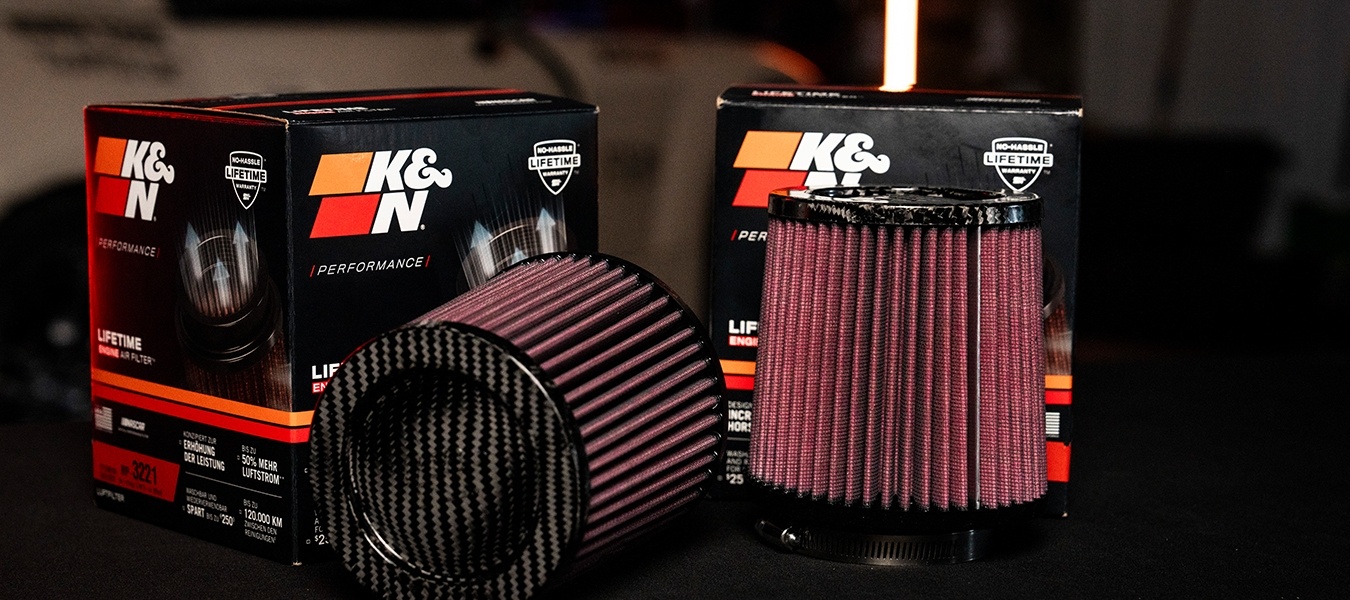
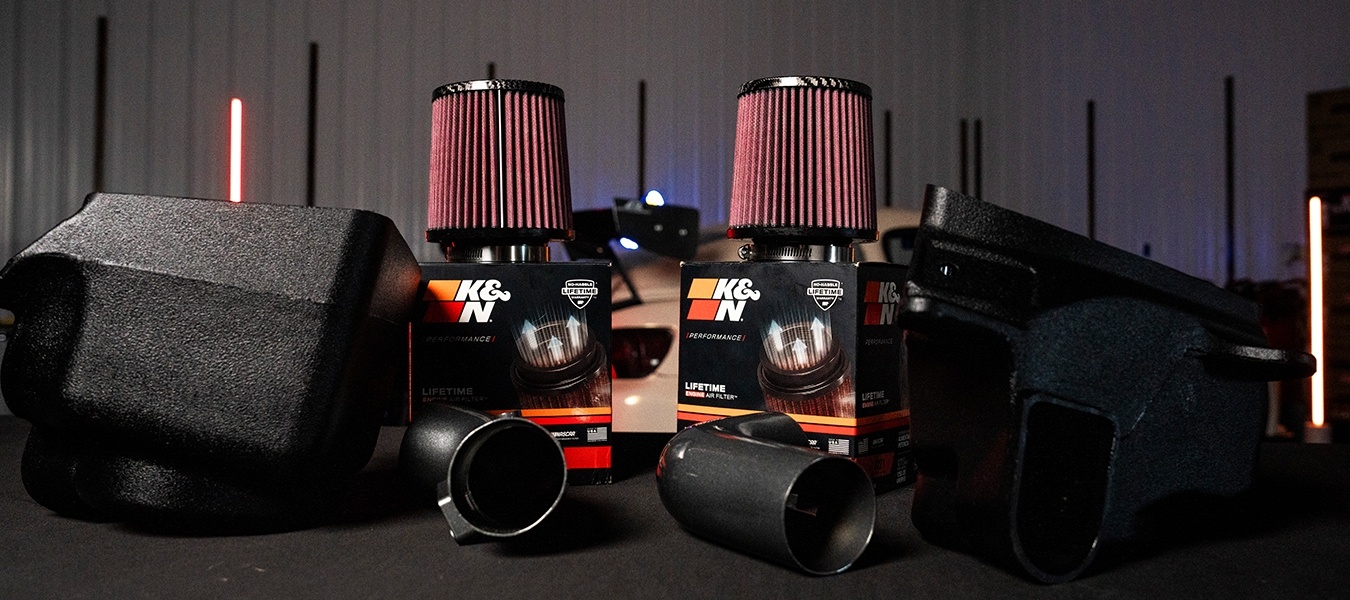
Some aftermarket intakes use larger tubing, smoother bends, higher-flow filters, or redesigned airboxes to accomplish this. Others relocate the filter away from the hot engine bay to pull in cooler air.
And yes, cooler air matters. Colder air is denser, meaning there's more oxygen available for combustion. Your engine can use that extra oxygen to make more power when the rest of the setup can take advantage of it.
Will a Cold Air Intake Make More Horsepower?
This is where expectations need to stay realistic. A cold air intake horsepower gain isn't going to turn your daily driver into a race car overnight. On a mostly stock engine, the gains are usually going to be relatively modest.
That doesn't mean the modification is pointless. A well-designed intake can reduce restrictions in the factory system and give the engine more room to breathe, especially when paired with other supporting modifications.
The important part is the design. An intake that actually improves airflow and keeps intake temperatures under control is going to make a lot more sense than one that simply looks cool under the hood.
The Sound Is Half the Fun
Let's be honest: horsepower isn't the only reason people install an intake.
One of the most noticeable changes can be the sound. Replacing the restrictive factory airbox and intake tubing with a higher-flow setup can make the engine's induction noise much more noticeable. Depending on the vehicle, you might hear more throttle, intake roar, turbocharger sounds, or that satisfying whoosh when you get into the throttle.
It doesn't necessarily make the car faster, but it can make it feel faster. And sometimes that's exactly what we're after.
Cold Air Intake vs. Short Ram Intake
You'll also see short ram intakes when shopping for an aftermarket intake. While both setups replace portions of the factory intake system, their designs are slightly different.
A cold air intake generally attempts to pull air from a cooler location, often outside the engine bay. A short ram intake typically keeps the filter closer to the engine and uses a shorter intake path.
That doesn't automatically make one better than the other. A properly designed short ram intake can still provide excellent airflow and throttle response, while a poorly designed cold air intake can actually pull in hotter air.
That's why the design matters more than the name printed on the box.
Are Cold Air Intakes Worth It on a Stock Car?
For a completely stock car, a cold air intake can still be a worthwhile modification if you want improved intake sound, throttle response, and potentially some additional power.
It's also a relatively simple modification compared to major engine or exhaust work. You aren't tearing into the engine, changing the suspension, or spending thousands of dollars just to make a noticeable difference.
If you're looking for a massive horsepower increase from one bolt-on, an intake probably isn't going to deliver it. If you're looking for a relatively simple modification that can make the engine feel and sound better while potentially improving airflow, that's where an intake starts making a lot more sense.
What About Heat Soak?
One of the biggest things to consider when shopping for an intake is intake air temperature.
The engine bay can get seriously hot, especially after sitting in traffic or idling on a warm day. An exposed filter sitting next to a hot engine can end up sucking in warmer air than the factory system.
That's why sealed airboxes and properly designed heat shields can be so important. A good intake isn't just about making the path bigger; it's about getting the right air to the engine.
More airflow isn't particularly useful if you're replacing cooler outside air with a nice big helping of engine-bay heat.
So, Are Cold Air Intakes Worth It?
If you're expecting a cold air intake to completely transform your car, probably not.
But if you want better airflow, improved intake sound, sharper throttle response, and the potential for some additional power, a quality cold air intake can absolutely be worth it. The key word is quality.
Look for an intake designed specifically for your vehicle, pay attention to how it manages heat, and don't get distracted by the biggest filter or loudest marketing claims. Sometimes the smartest intake upgrade is the one that looks the most like it belongs there.
It's an easy way to start modifying your car, and it can make the engine feel more responsive and sound considerably better while giving it a less restrictive path for incoming air.
And let's be honest: sometimes you just want to hear your car suck in a ridiculous amount of air when you bury the throttle. That's worth something, too.