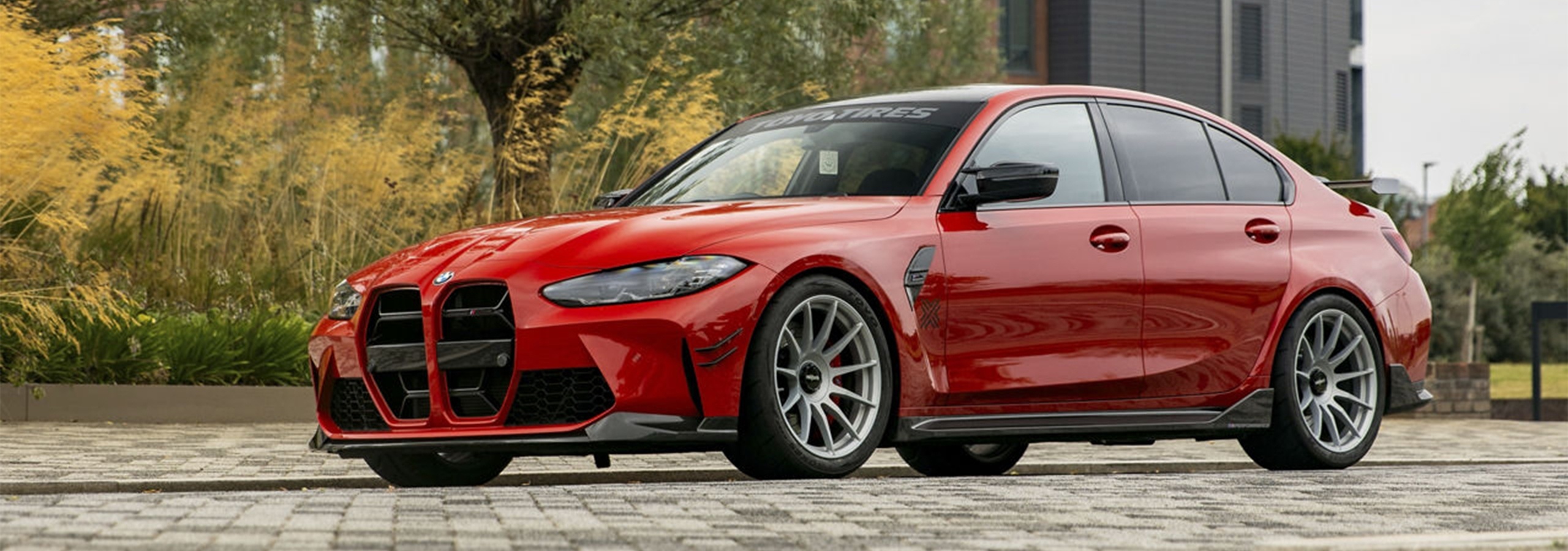
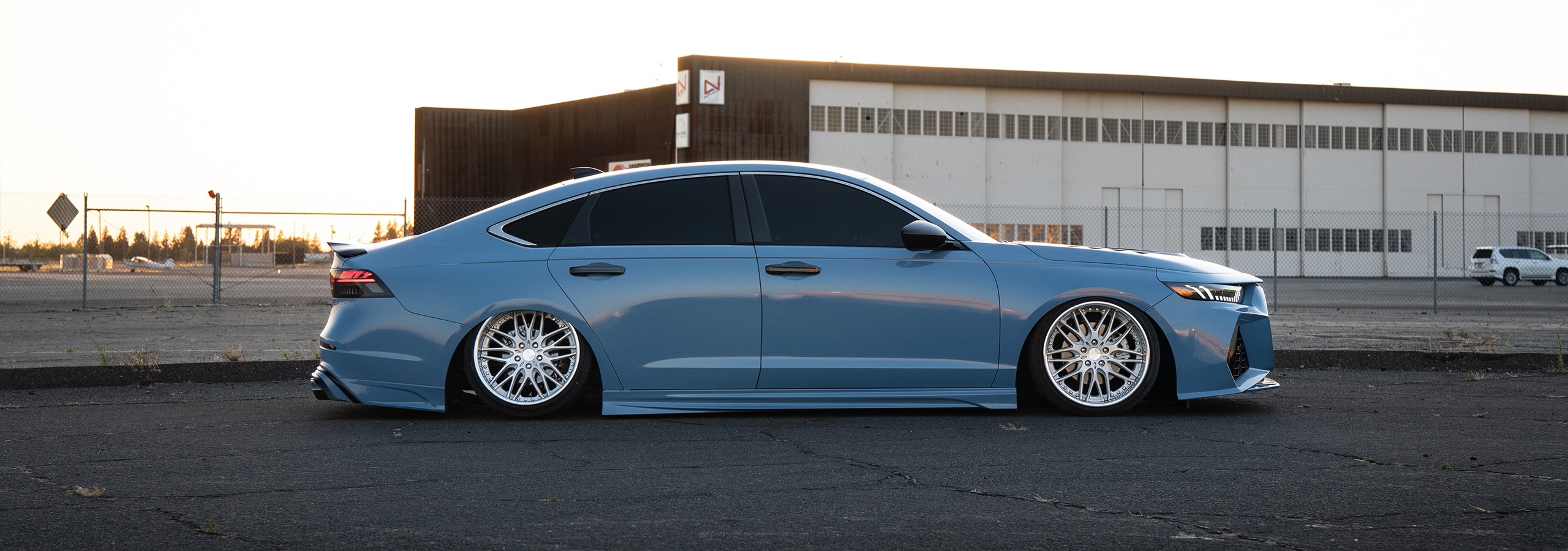
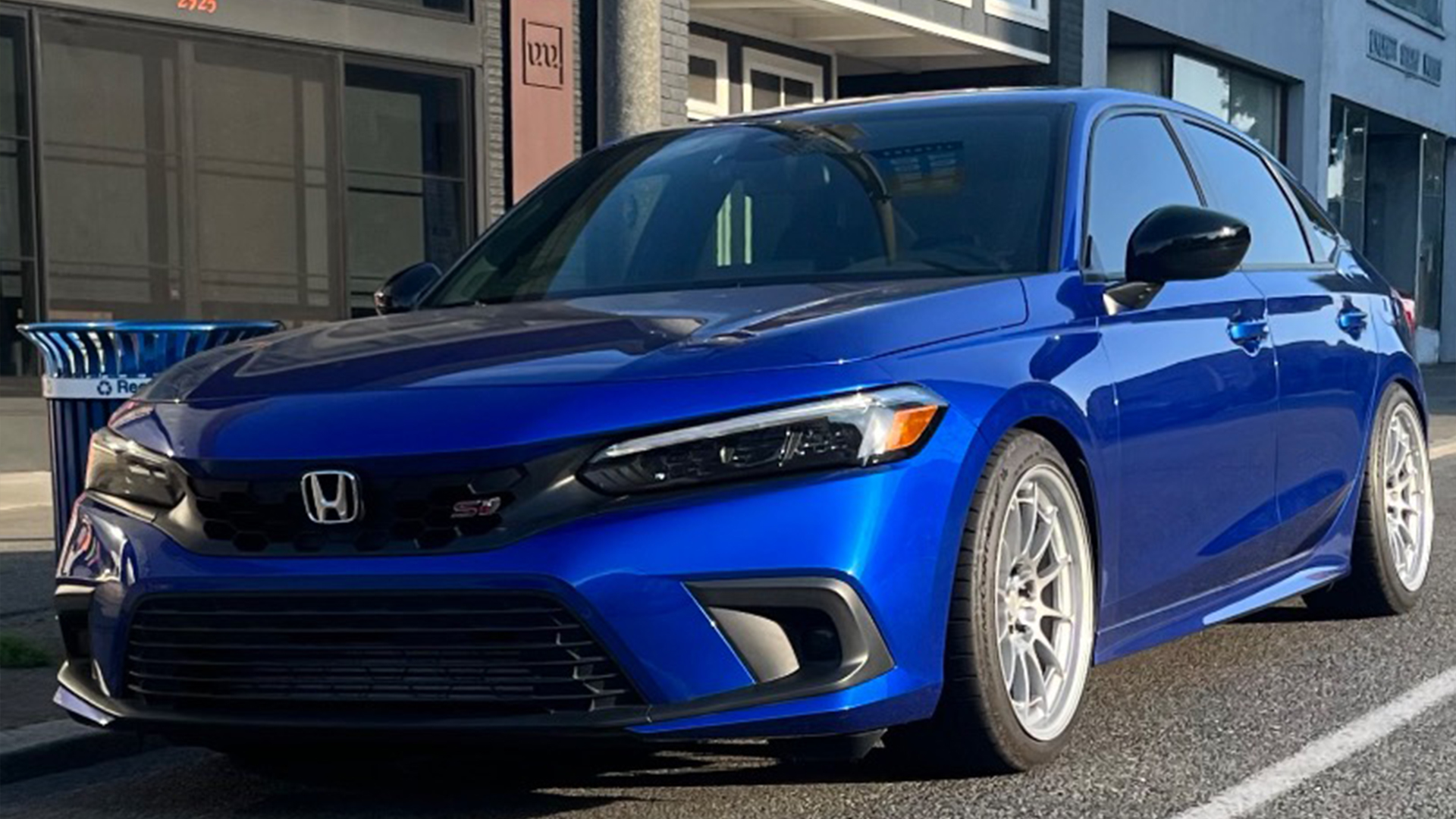
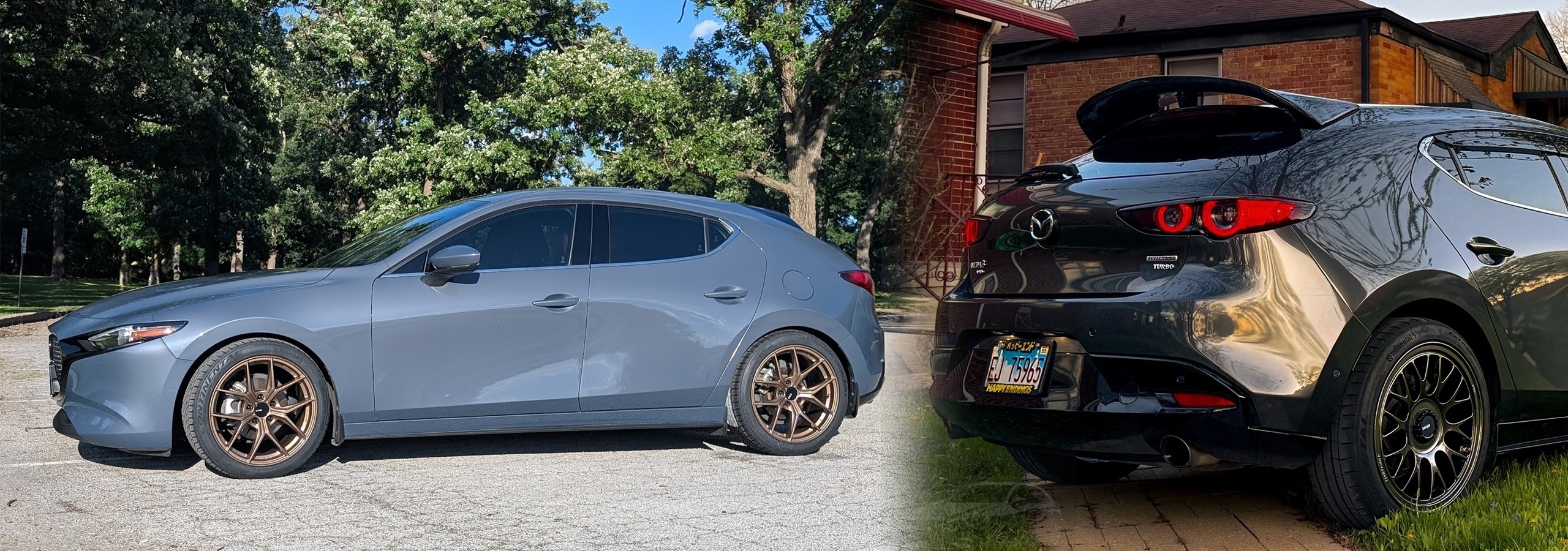
Tires might not be the flashiest mod on your build list, but they can make a massive difference in how your car drives. You can add horsepower, upgrade your suspension, and throw on a fresh set of wheels, but none of it matters much if your tires can't put the power down.
The tricky part is choosing the right set. All-season, summer, performance, winter, and track tires all have different strengths, and the best option depends on your car, climate, and driving style.
All-Season Tires: The Daily Driver Favorite
For most daily drivers, all-season tires are the practical choice. They're designed to balance wet and dry traction, comfort, and tread life without needing seasonal swaps.
They're great for commuting, road trips, and everyday driving. The tradeoff is that they won't match a dedicated summer tire's grip in warm conditions or a winter tire's traction in snow and ice.
If your car spends most of its time on public roads, all-seasons are a solid place to start.
Summer Tires: Grip Comes First
Want better cornering and sharper steering response? Summer tires are designed for warm-weather performance, offering strong grip on dry and wet pavement.
They're a popular upgrade for sports cars and enthusiast builds, especially if you enjoy spirited backroad driving. The downside is that their compounds aren't designed for freezing temperatures, snow, or ice.
If performance is the priority and your climate allows it, summer tires can make your car feel noticeably more capable.
Performance All-Seasons: A Little of Both
Performance all-season tires offer a middle ground for drivers who want sharper handling without giving up year-round practicality.
They're generally sportier than standard touring all-seasons, making them a good match for performance sedans, hot hatches, and daily-driven builds. Just remember that they're still a compromise: they won't deliver the same warm-weather grip as a dedicated summer tire or the same winter performance as a dedicated snow tire.
Track Tires: Built to Push Harder
If you're taking your car to autocross or track days, track-focused tires can provide the extra grip needed for hard cornering and aggressive driving.
Some performance tires are street-legal, while others are designed primarily for competition. Stickier compounds can improve performance, but they often wear faster and may sacrifice comfort or wet-weather usability.
For a daily-driven car, a dedicated track tire might be overkill. For a weekend track build, it could be exactly what you're looking for.
Winter Tires: Cold Weather Changes Everything
Cold temperatures change how tires behave. Winter tires use specialized rubber compounds and tread designs to maintain traction in freezing conditions, snow, and ice.
All-seasons can handle some mild winter weather, but they aren't a replacement for dedicated winter tires when conditions get serious. If you regularly deal with snow and freezing roads, the extra seasonal tire set can make a real difference.
All-Terrain Tires: Take the Build Off-Road
Not every build is a lowered coupe on wide wheels. For trucks and SUVs that spend time on dirt, gravel, or trails, all-terrain tires offer added off-road traction while remaining usable on pavement.
The tradeoff? More aggressive tread can mean additional road noise, a firmer ride, and less on-road refinement than highway-focused tires.
If your truck actually sees trails, that compromise may be worth it. If it never leaves the pavement, you might not need the extra tread.
Does a Higher Treadwear Rating Mean a Better Tire?
Not necessarily. A tire's treadwear rating can help you compare expected tire life, but it doesn't tell you everything about grip, handling, or ride quality.
Performance tires often prioritize traction over longevity, while touring tires typically focus more on comfort and longer tread life. A tire that lasts longer isn't automatically the better choice if you're looking for maximum performance.
Think about what matters most to your build before choosing based on a number alone.
So, What Tire Should You Actually Buy?
It comes down to how you use your car.
- Daily driving: All-season tires for balanced, everyday performance.
- Spirited street driving: Summer tires for warm-weather grip, or performance all-seasons for added versatility.
- Track days: Track-focused tires suited to your car and driving conditions.
- Snow and freezing temperatures: Dedicated winter tires.
- Off-road adventures: All-terrain tires for added traction beyond the pavement.
Before ordering, double-check your tire size, load rating, and speed rating. The right category won't help much if the tire isn't appropriate for your vehicle.
Final Thoughts
Choosing tires isn't about buying the most expensive set or chasing the stickiest compound. It's about finding the right balance of grip, comfort, durability, and weather performance for your needs.
Figure out how you drive, choose a tire built for that purpose, and don't overlook the difference a good set can make.
Because you can build all the horsepower you want, but if your tires can't put it down, you're leaving performance on the table.