What Are Stretched Tires?
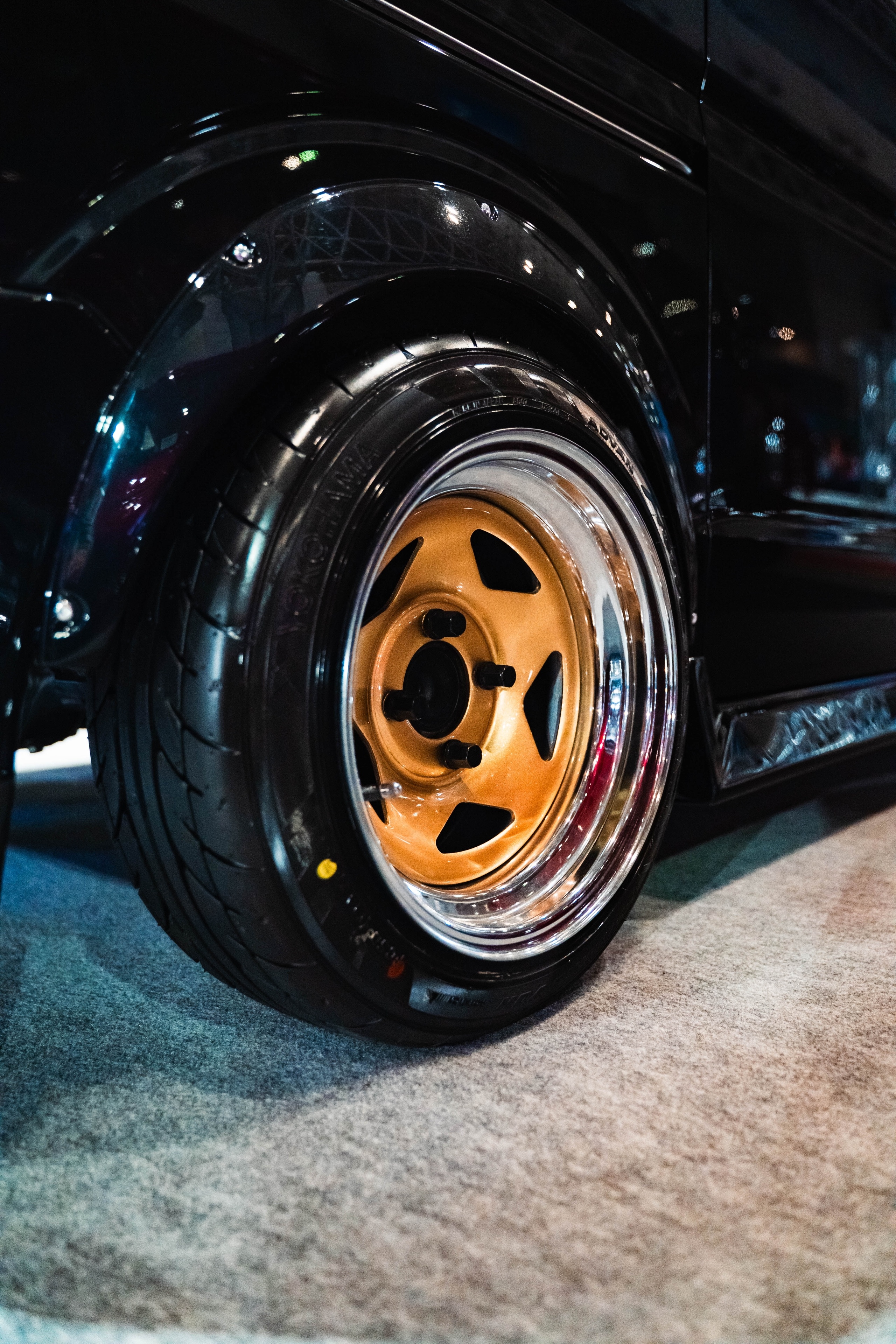
The term "stretched tires" simply refers to running a narrower-than-recommended tire on a set of wheels. This causes the sidewall of the tire to be pulled, or stretched, when the bead is seated. But why would you run a smaller tire than recommended? Glad you asked!
Why Do People Stretch Their Tires?
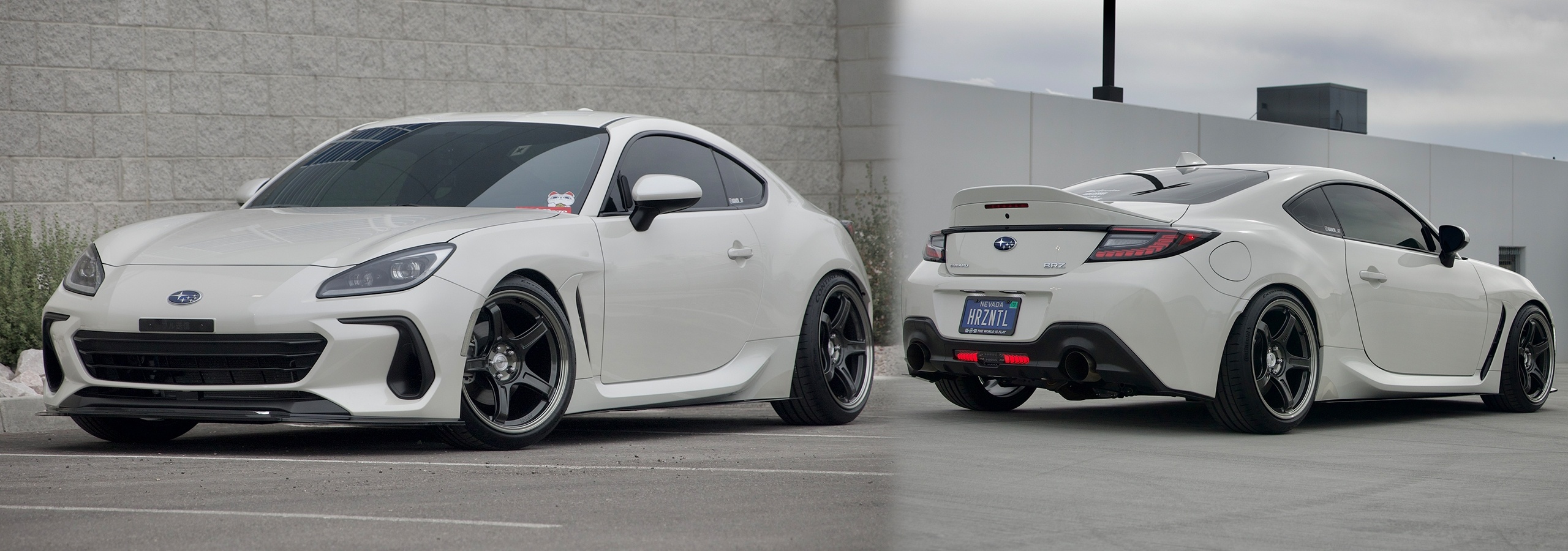
It’s fair to say a majority of the influence when it comes to modifying our cars comes from Japan. So, it would be right to assume that the origins of stretching tires would follow the same pattern. But you would be wrong! Stretched tires come from Germany. The TUV, or Technischer Überwachungsverein, is an independent German organization that certifies products for safety and quality. Because of the TUV, Germany has strict laws stating that your tires cannot extend past the fender of your vehicle. So, when people started throwing wider wheels on their cars, they had to make sure the tires did not break these laws. What’s the best way to make sure that doesn’t happen? Narrow tire, wider wheel. Hence, the stretched tire look was born. Dropping down a few section width sizes from what would normally be recommended stretches the sidewall of the tire so it seats in the bead of the wheel, giving the sidewalls an angled, stretched look.
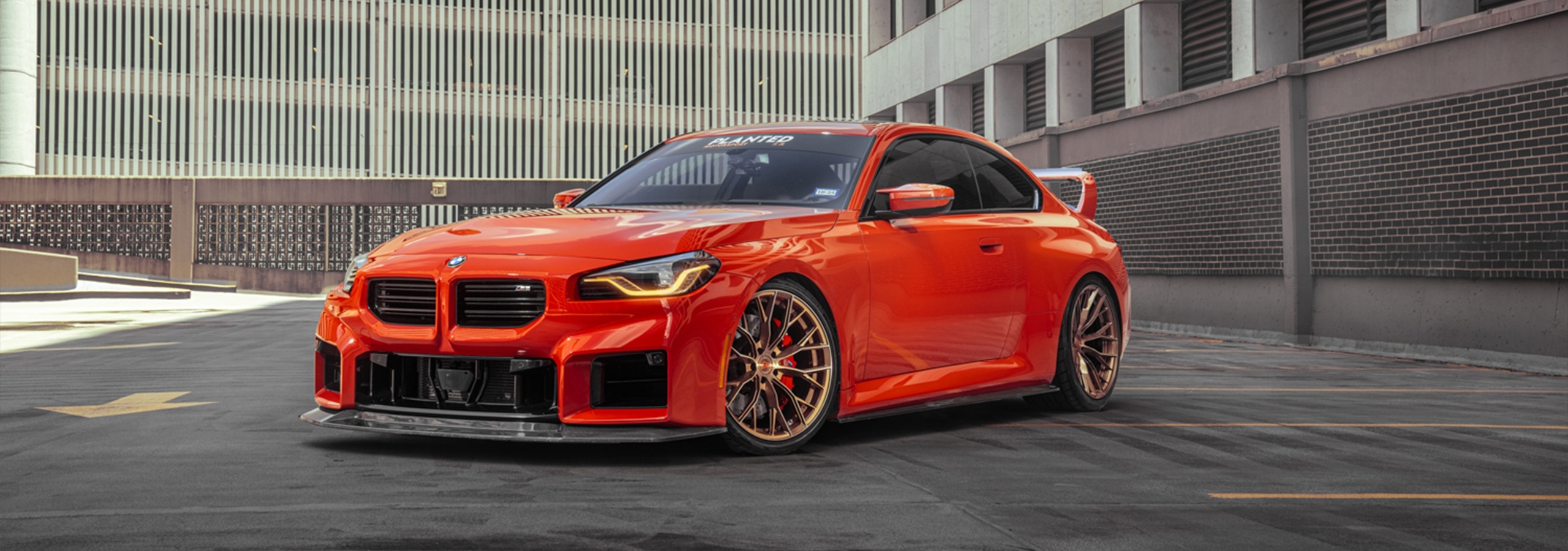
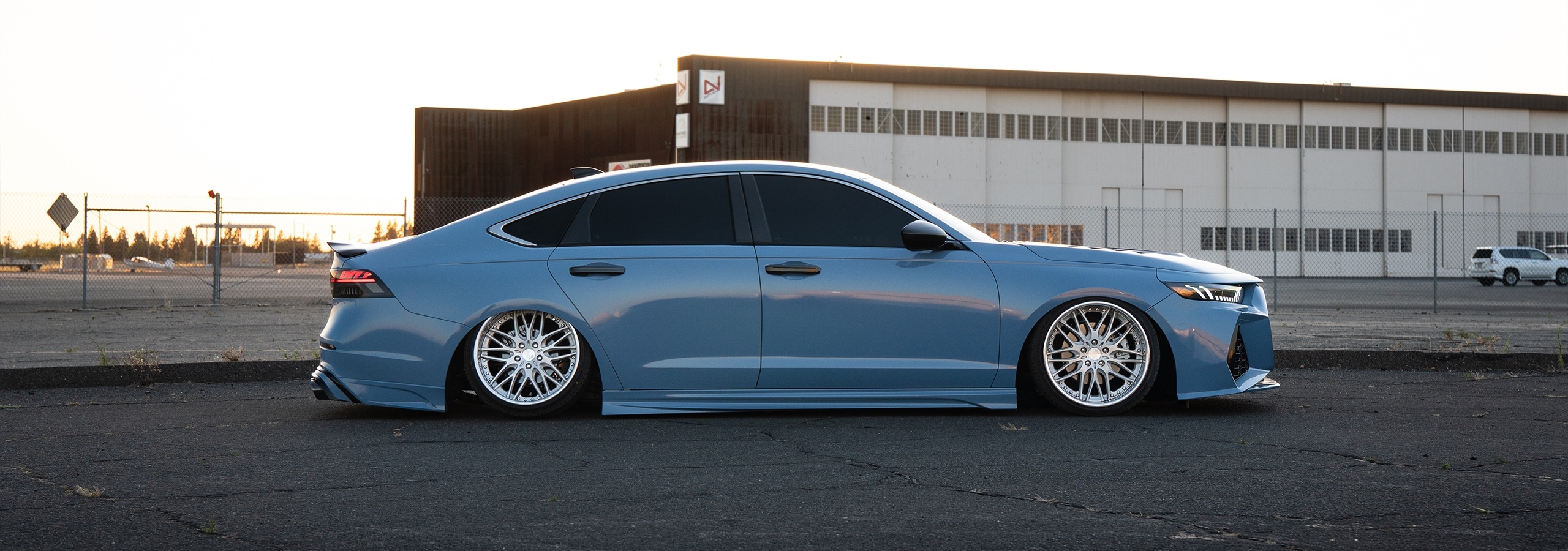
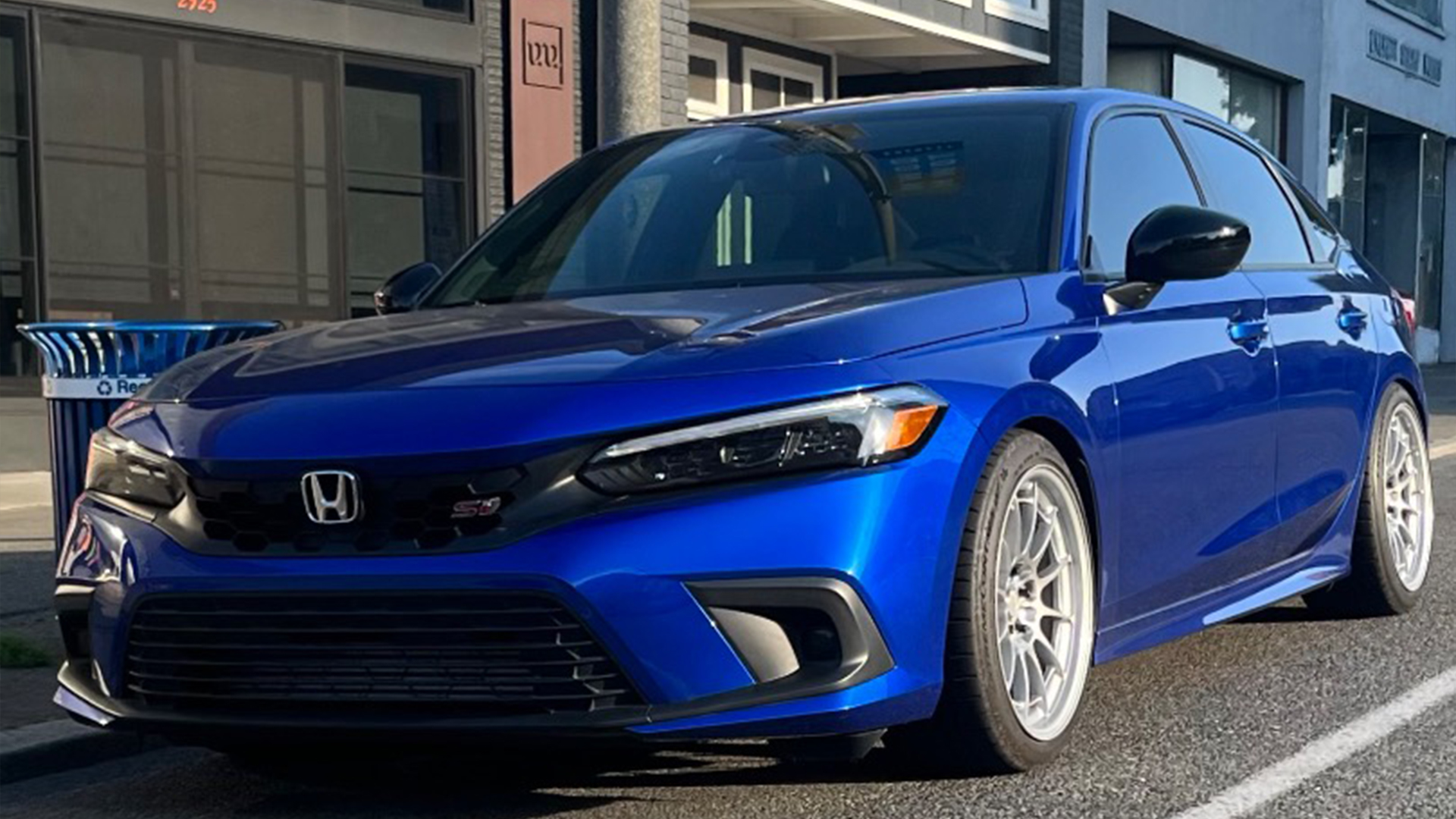
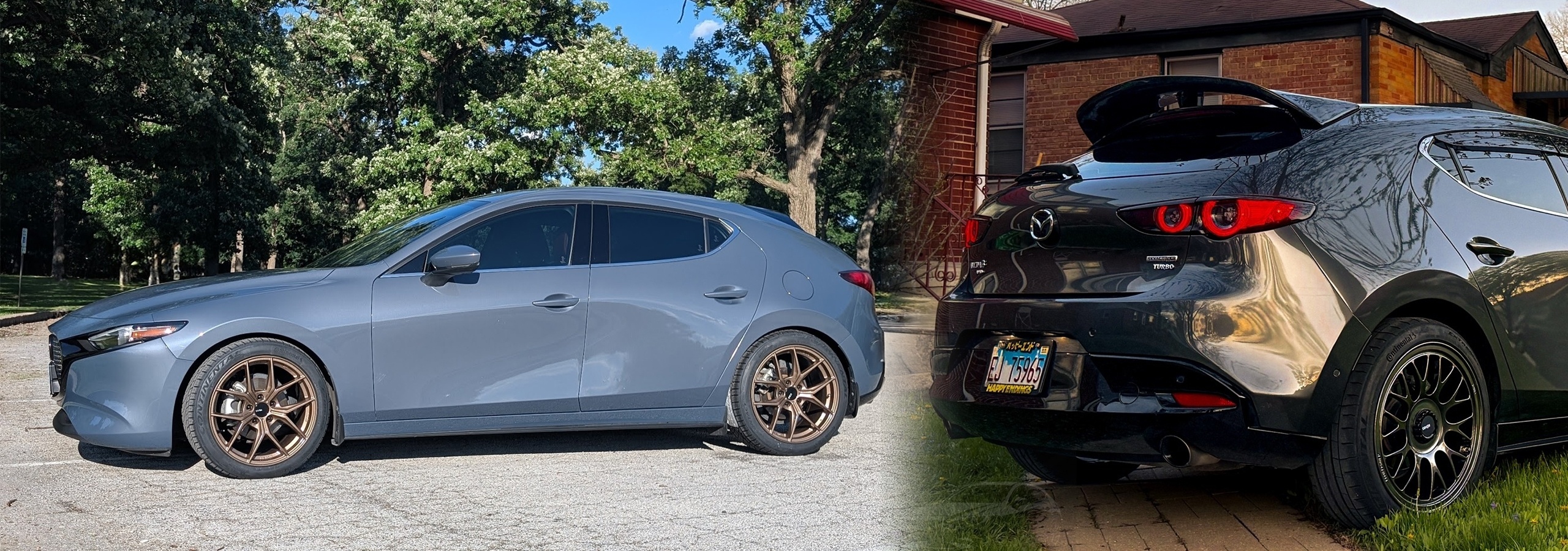
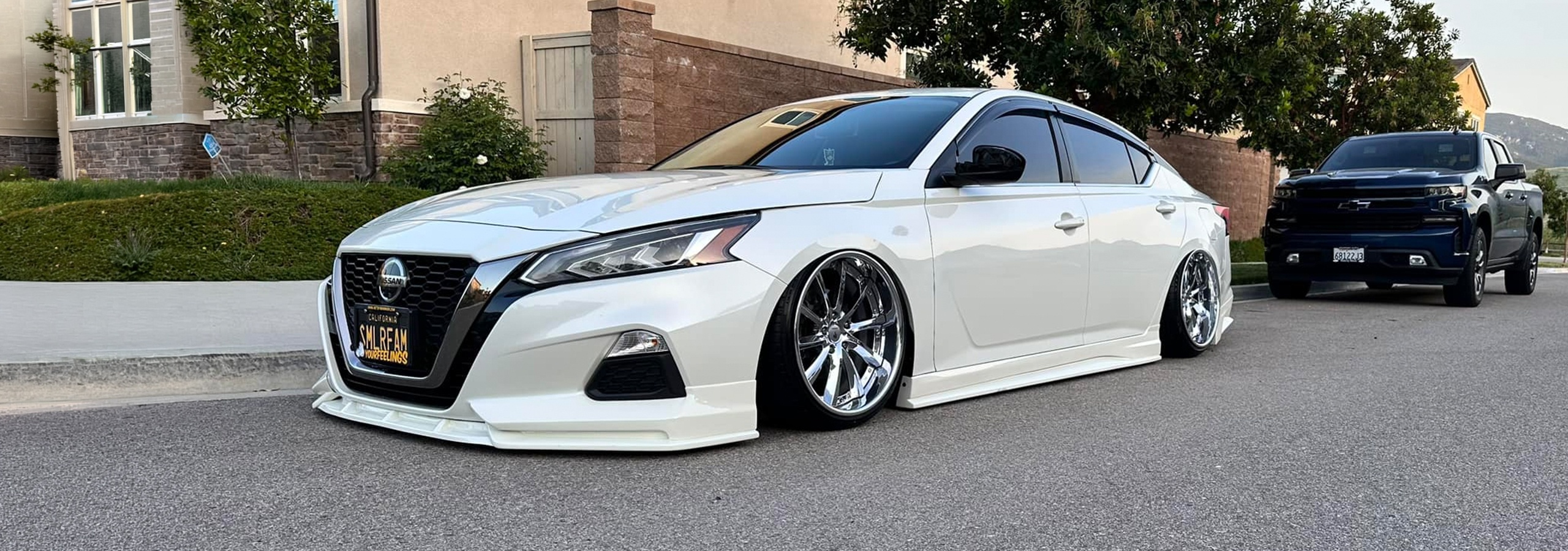
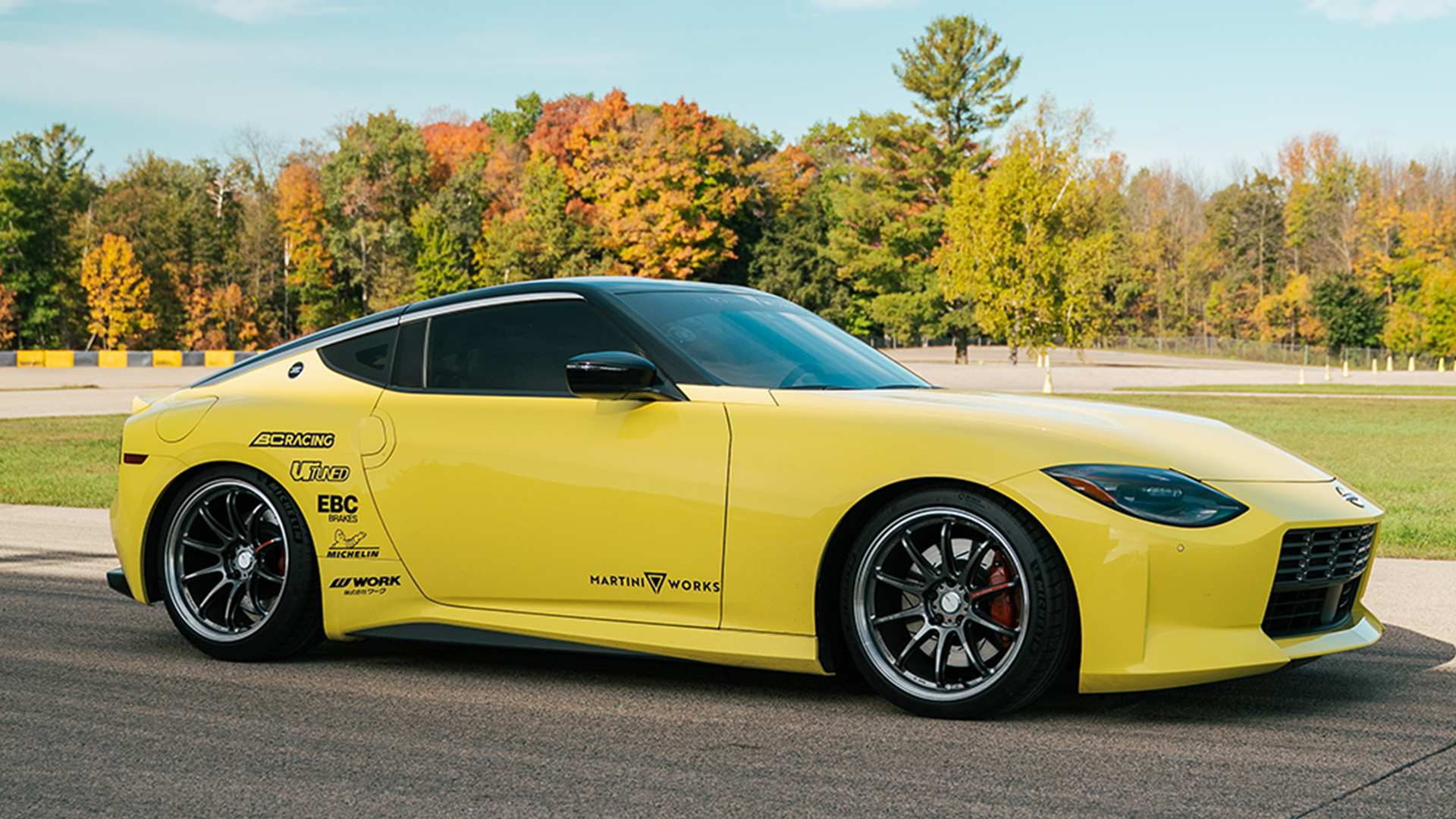
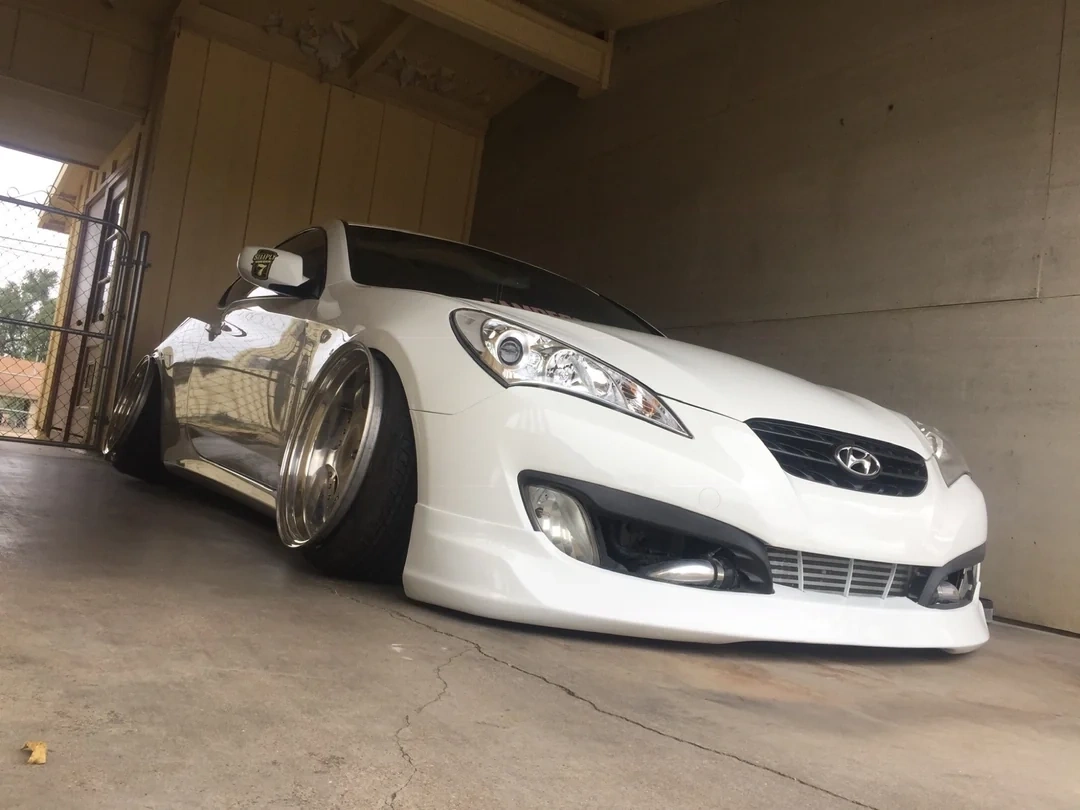
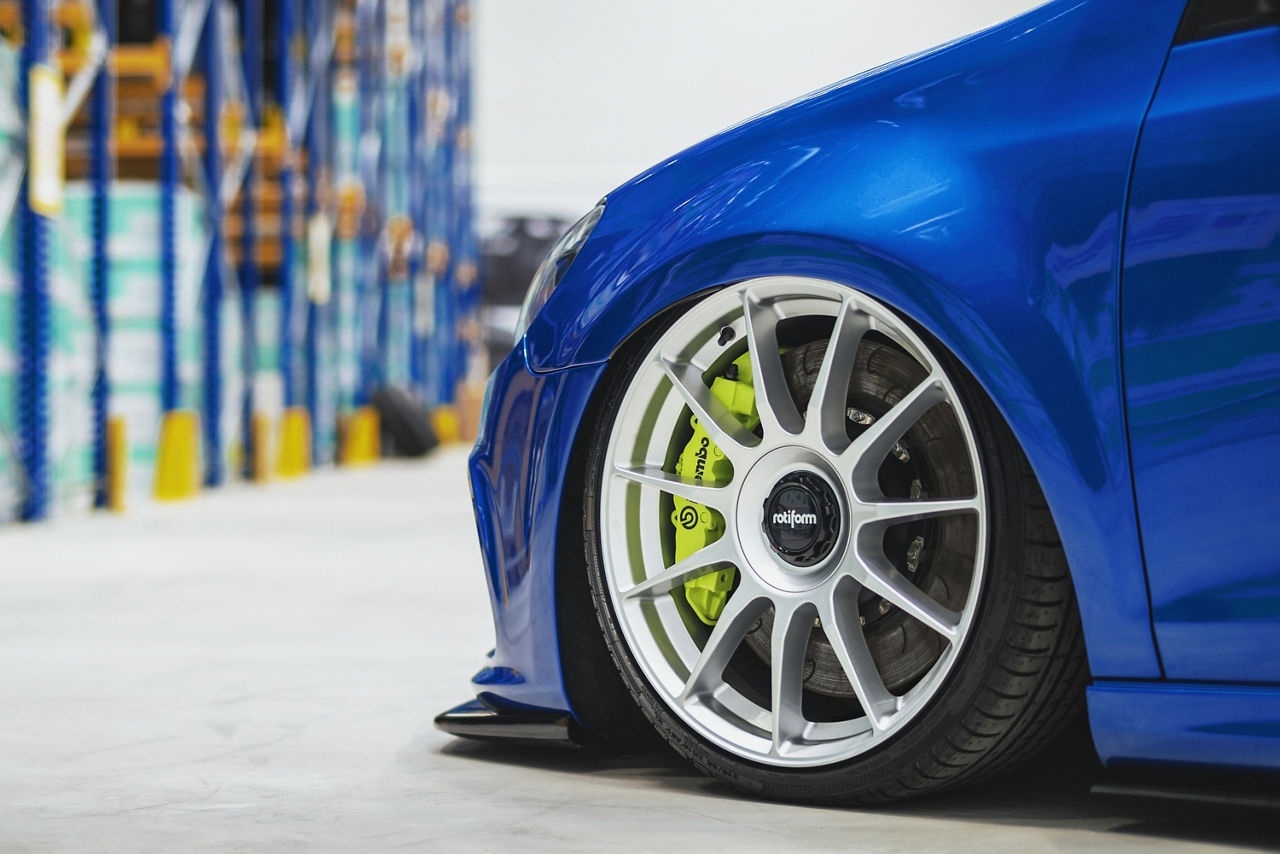
Today, stretched tires have become very common when it comes to aftermarket car builds, allowing for a tight wheel fitment without your fenders cutting into your tires. Those who are after a fender-to-lip fitment or are trying to build a crazy static cambered show car have become quite familiar with dropping down a few tire sizes to get their setup to work.
Photo by: Brandon Deuster
Are Stretched Tires Safe?
They can be! Like anything else when it comes to modifying cars (and life), it’s about moderation. If you are looking for a slight stretch to run a little more aggressive offset on your wheels, you will be perfectly fine. However, when taken to the extreme, things can get a little sketchy. We’ve seen some insane tire stretch as we’ve traveled around the country to car shows. Sudani Style, for instance, is a style of tire stretch where the tire is so narrow that you can see the barrel of the wheel. So, would we recommend doing something like that? Style-wise, sure! Reliability-wise, not so much.
Example of "Sudani Style" Stretch
How to Calculate Your Tire Size
We’ve spent a ton of time going through the MartiniWorks website and providing recommended tire sizes for your car and the new wheels you may be looking at. However, you might want something a little different, and that’s great! That’s exactly why we built our Tire Size Comparison Tool to help you calculate what size tire you need for your build. You can compare multiple sizes against each other to see the difference in height, width, and even whether there will be any impact on your speedometer. If you are more of a visual person, we have our Fitment Visualizer Tool, where you can punch in your wheel and tire size and get a visual diagram showing the difference from your current setup.