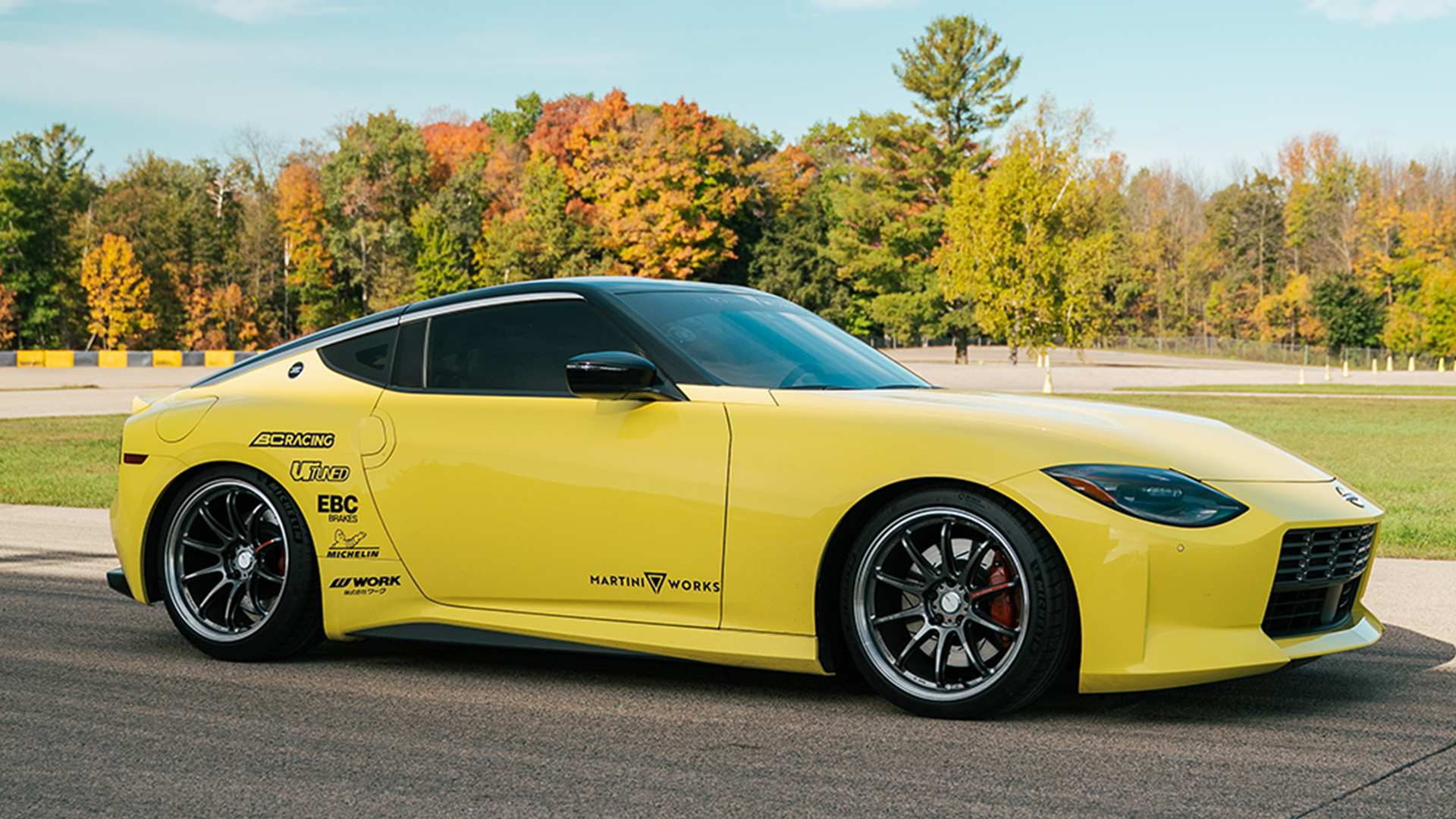
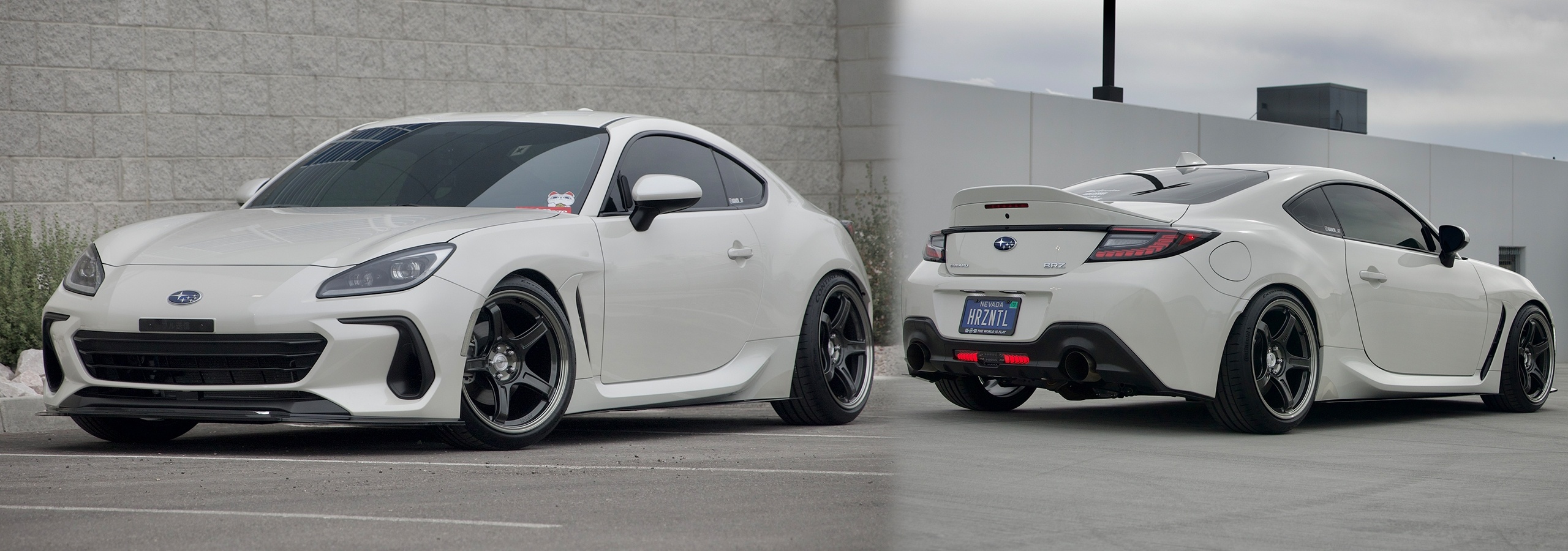
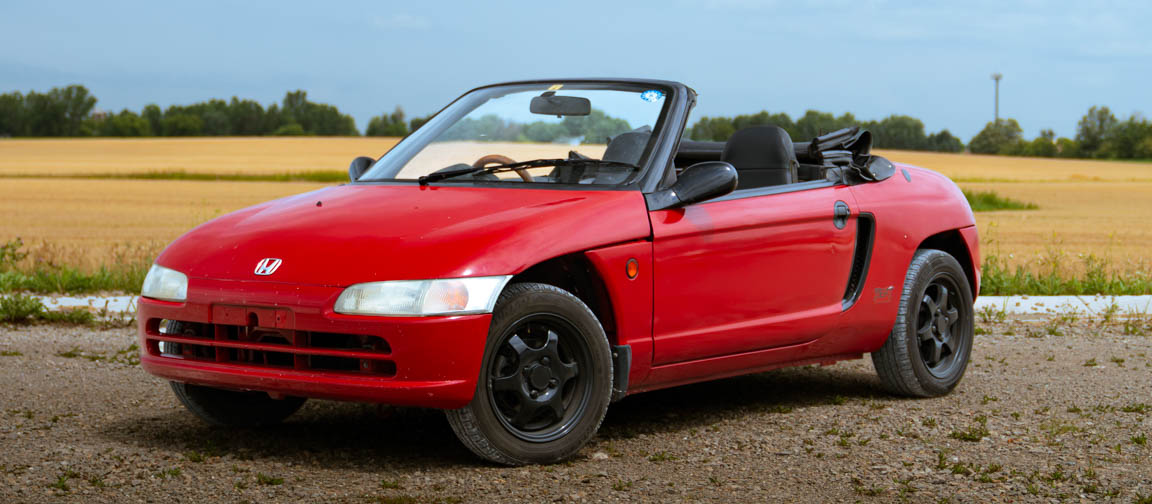
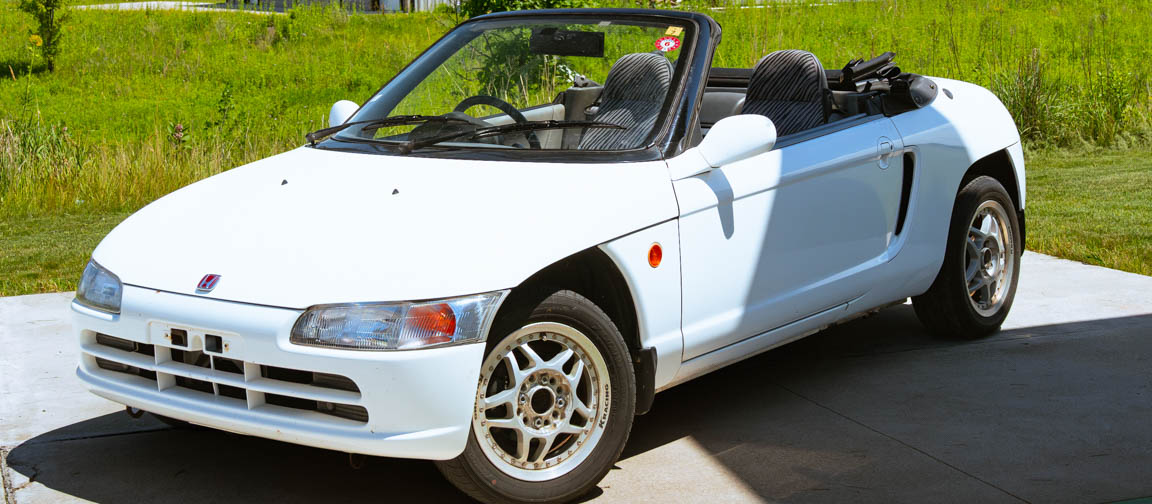
If there’s one modification that can completely change the way your car looks and drives, it’s suspension. Lowering a car can transform the stance, improve handling, and make a set of wheels look even better. But once you start shopping for suspension, things can get confusing pretty quickly.
Coilovers, lowering springs, and air suspension can all lower your car, but they do it in very different ways. So which one is right for your build?
Let’s break it down.
Lowering Springs: The Simple Solution
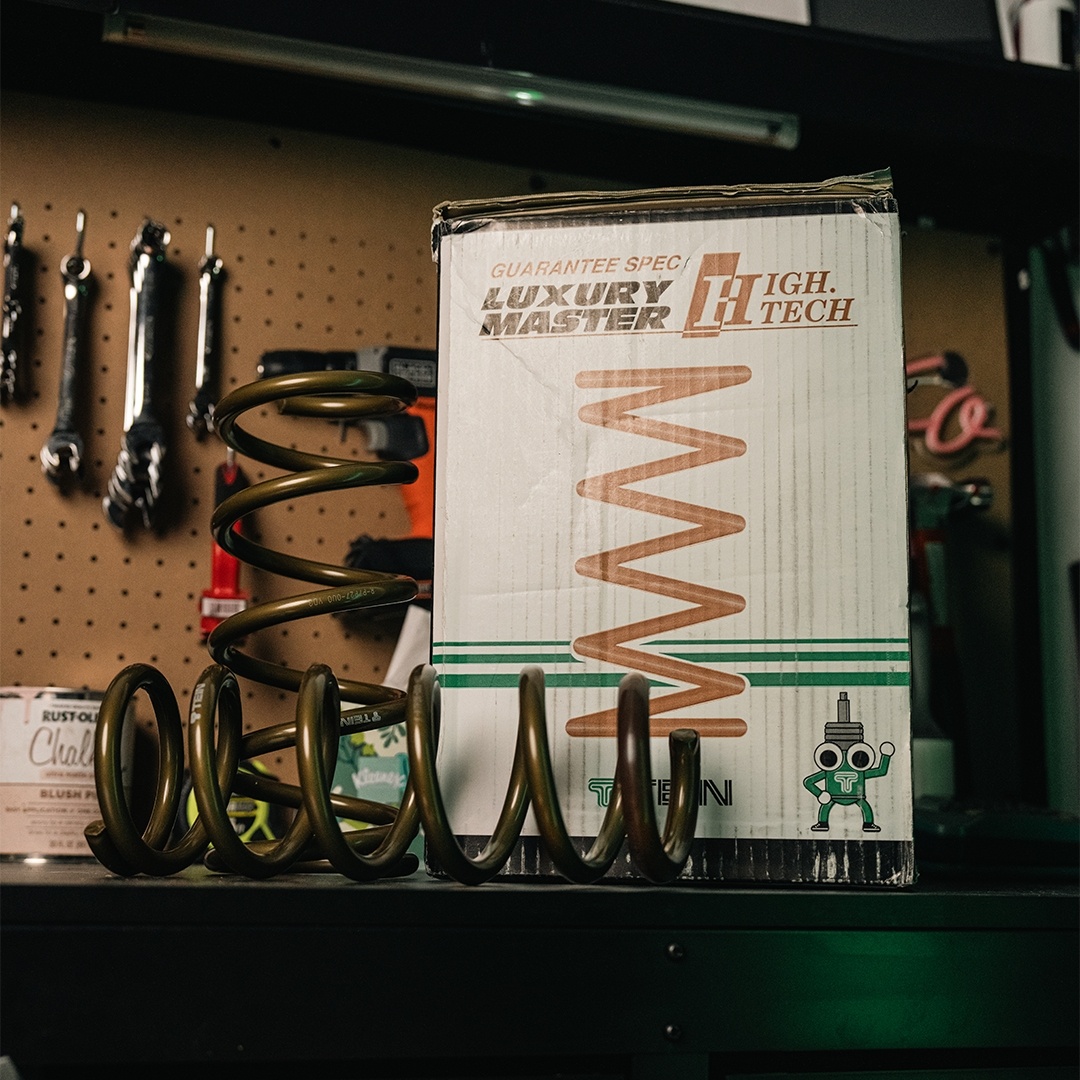
Lowering springs are probably the easiest way to lower a car without completely rebuilding its suspension setup. They replace the factory springs with shorter, stiffer springs that bring the car closer to the ground.
The biggest advantage is simplicity. You can get a noticeable drop without the cost or complexity of a full coilover or air suspension setup. They’re also a great option if you're happy with your factory shocks and simply want a better stance and slightly sportier handling.
The downside? You're generally stuck with the drop the springs were designed for. Want another half-inch lower? That's not something you can adjust from the driveway.
For a daily-driven car where you want better looks, a lower ride height, and a relatively simple setup, lowering springs are tough to beat.
Coilovers: More Control
If lowering springs are the simple option, coilovers are where things start getting more serious.
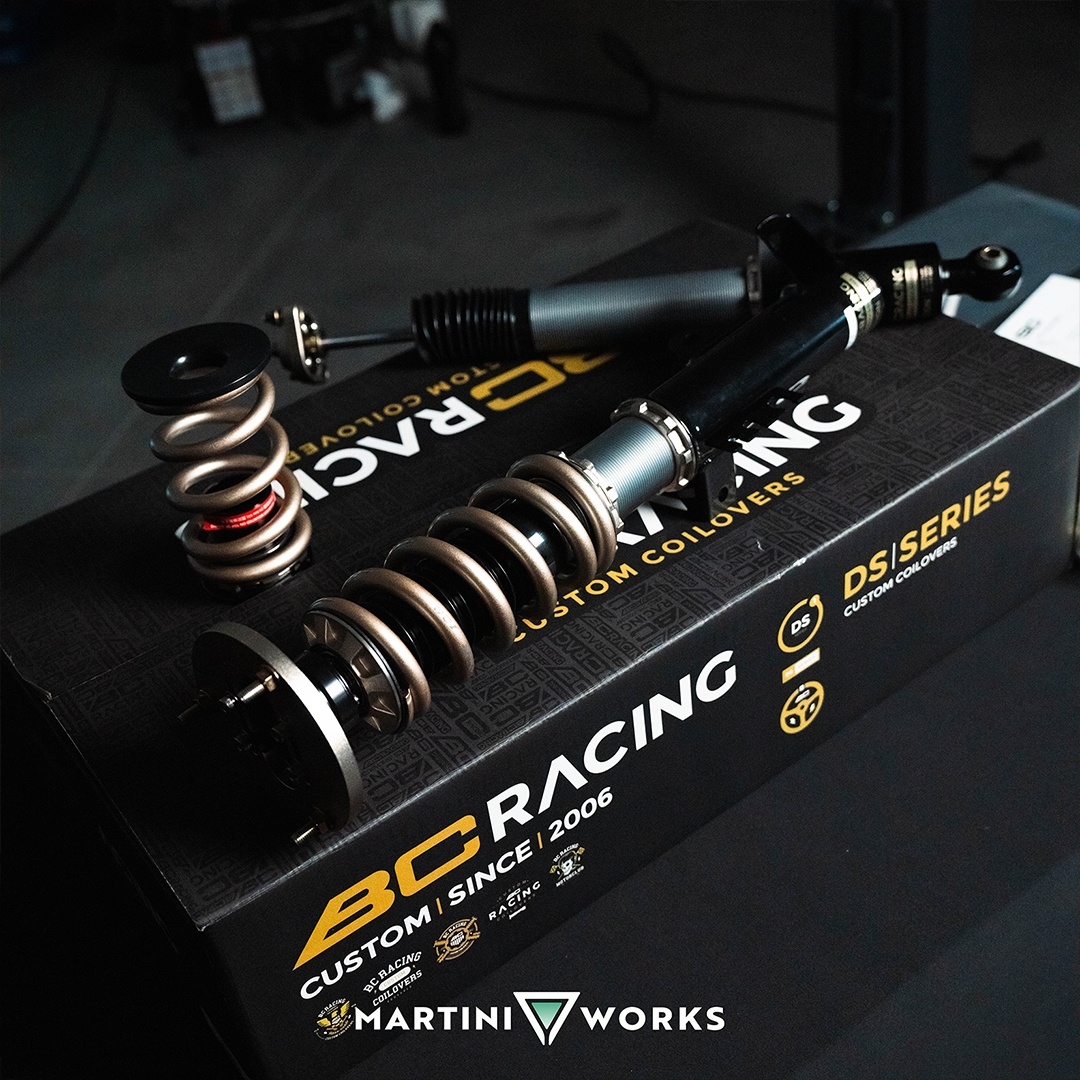
A coilover combines the spring and shock absorber into one adjustable assembly. Most setups allow you to adjust ride height, while more advanced coilovers can also offer adjustments for damping and other suspension characteristics.
That adjustability makes coilovers popular with enthusiasts who want more control over how their car sits and drives. You can dial in the ride height, corner balance, and handling characteristics instead of simply accepting whatever the factory suspension gives you.
Of course, that extra control comes with more cost and complexity. A properly set-up coilover system can also require more time and knowledge to get the most out of it.
If you're building a street car that sees spirited driving, autocross, track days, or you simply want more control over your setup, coilovers are a strong choice.
Air Suspension: Stance on Demand
Then there's air suspension, which takes adjustability to an entirely different level.
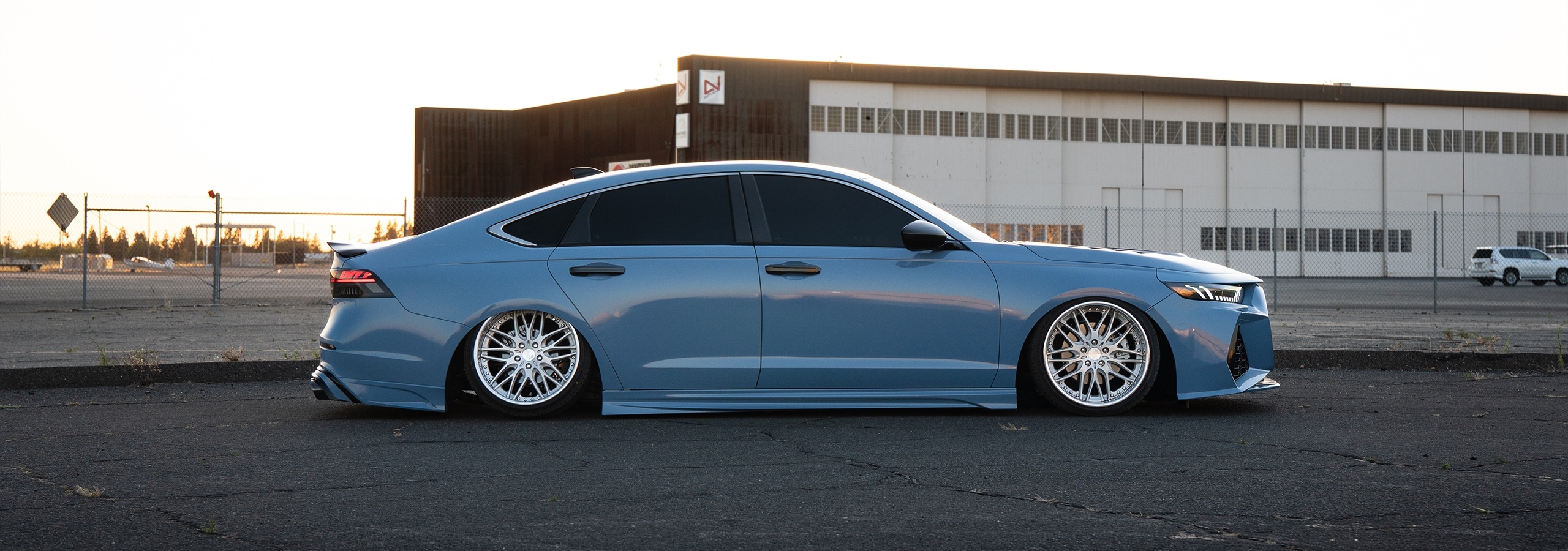
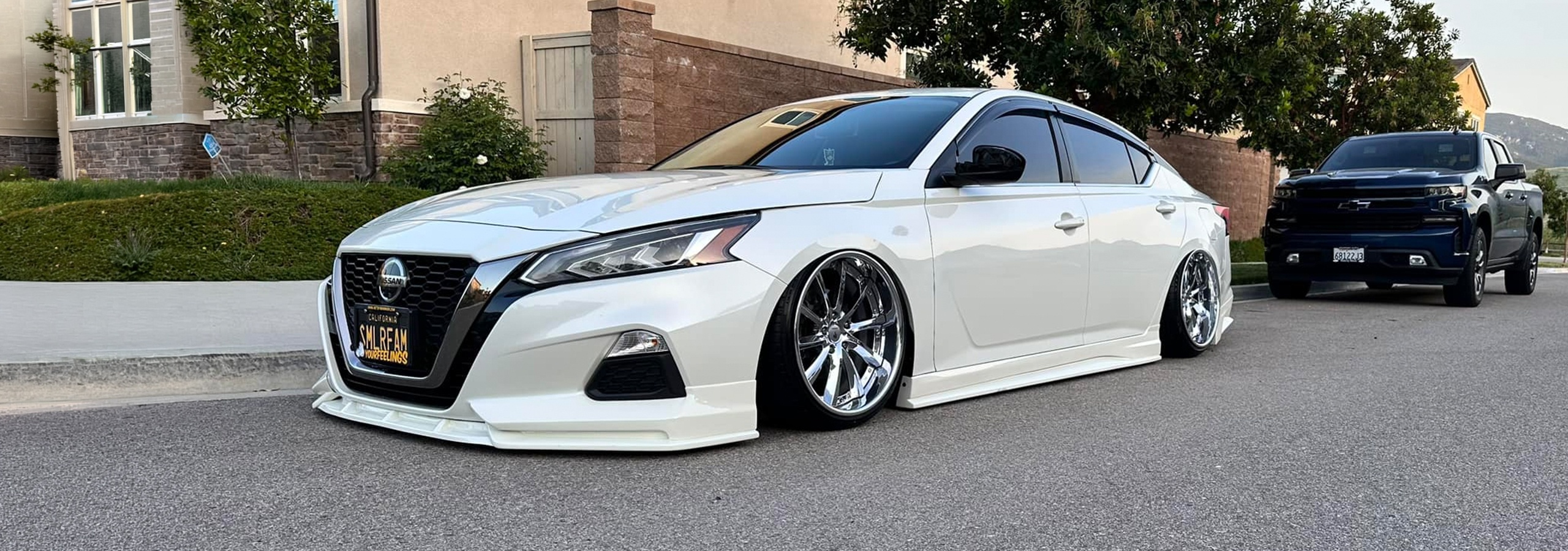
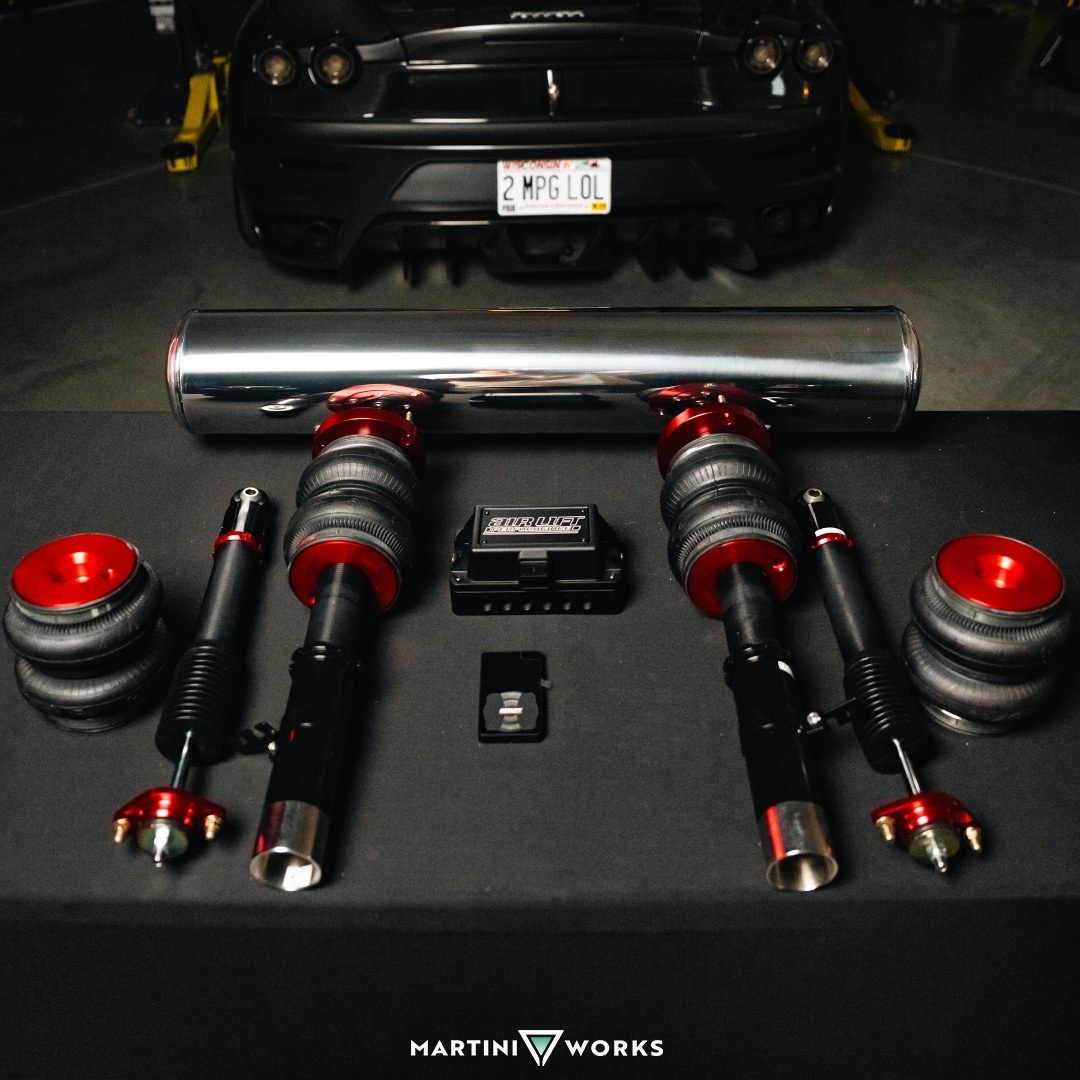
Instead of traditional coil springs, air suspension uses air bags, compressors, tanks, and management hardware to control ride height. With the push of a button, you can raise the car for speed bumps or driveways and drop it back down when you're ready to park or hit a meet.
That versatility is a huge part of the appeal. You can have a slammed stance when you want it without having to commit to driving around at that height all the time.
Air suspension does tend to be more expensive and complicated than traditional suspension setups, and there are more components that can potentially require maintenance. But for a show car or street build where adjustable ride height is a priority, it's hard to beat.
So, Which One Should You Choose?
There's no universal winner here. It really comes down to what you want from your car.
Lowering springs make sense if you want an affordable, straightforward drop without going overboard. Coilovers are the better choice if you want adjustable ride height and more control over handling. And air suspension is ideal if you want the ultimate flexibility to raise and lower the car whenever you want.
The important thing is choosing suspension based on how you actually use your car. There's no reason to spend coilover money on a car that's only getting a mild stance upgrade, just like there's no point in buying air suspension if you're perfectly happy with a fixed ride height.
Suspension is about more than just making your car lower. It's one of the biggest factors in how your car looks, handles, and feels from behind the wheel.
Whether you go with lowering springs, coilovers, or air suspension, the right setup is the one that fits your build and your driving style.