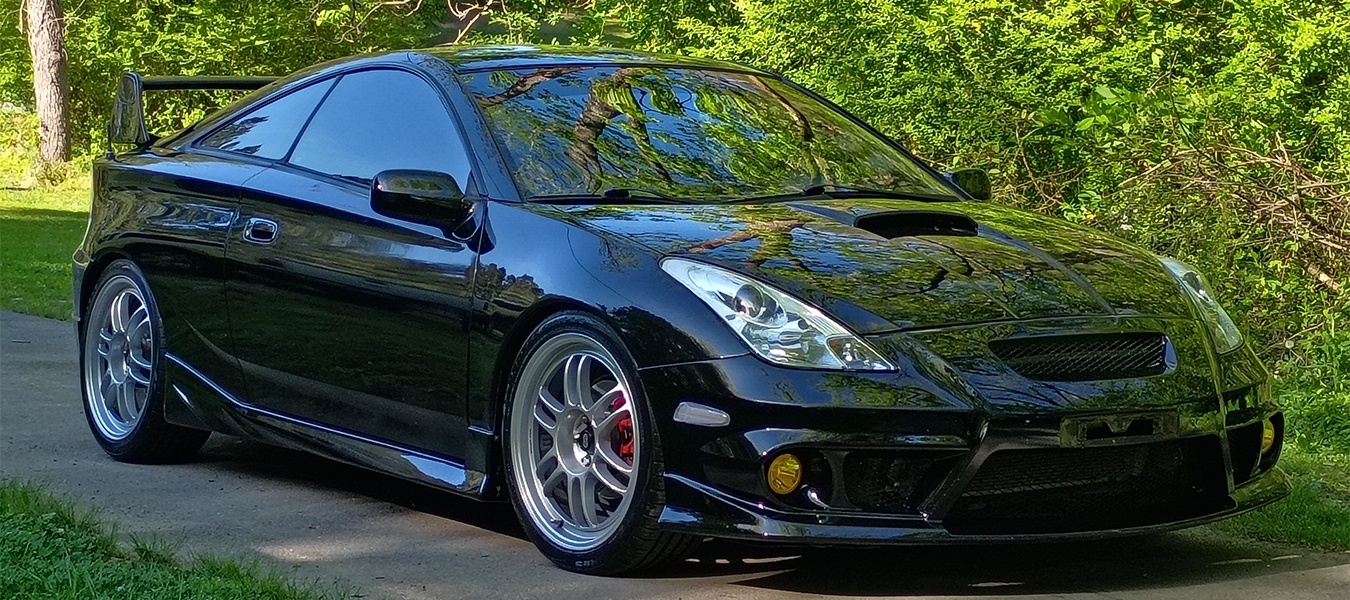
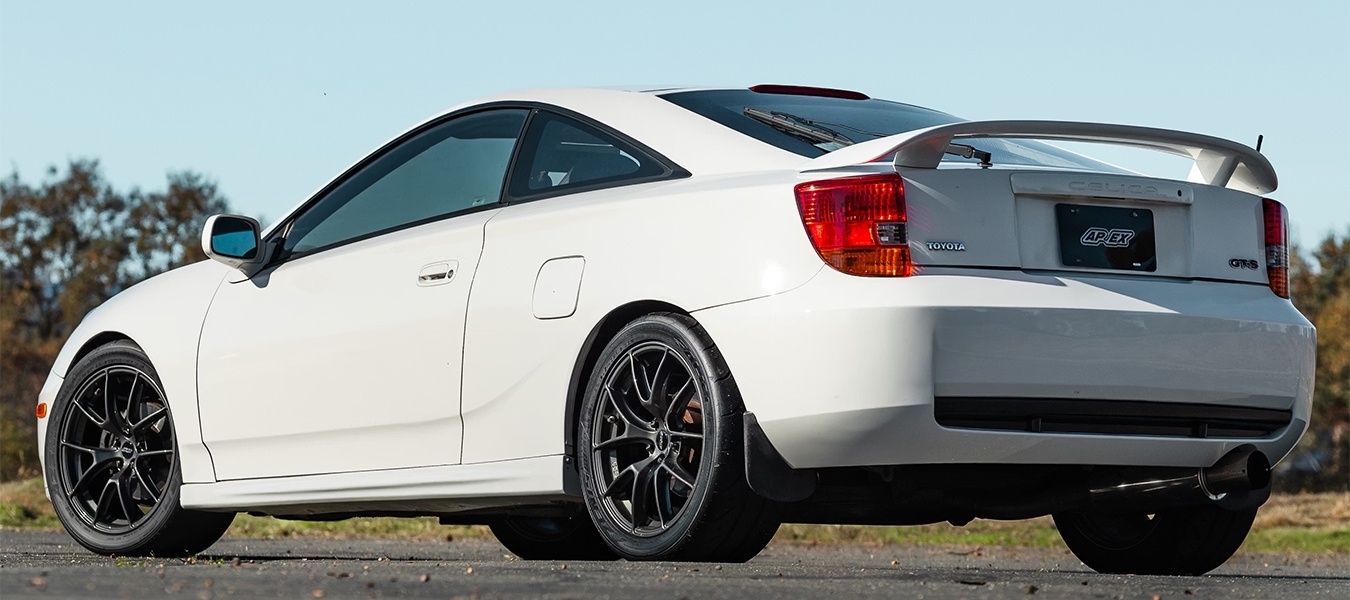
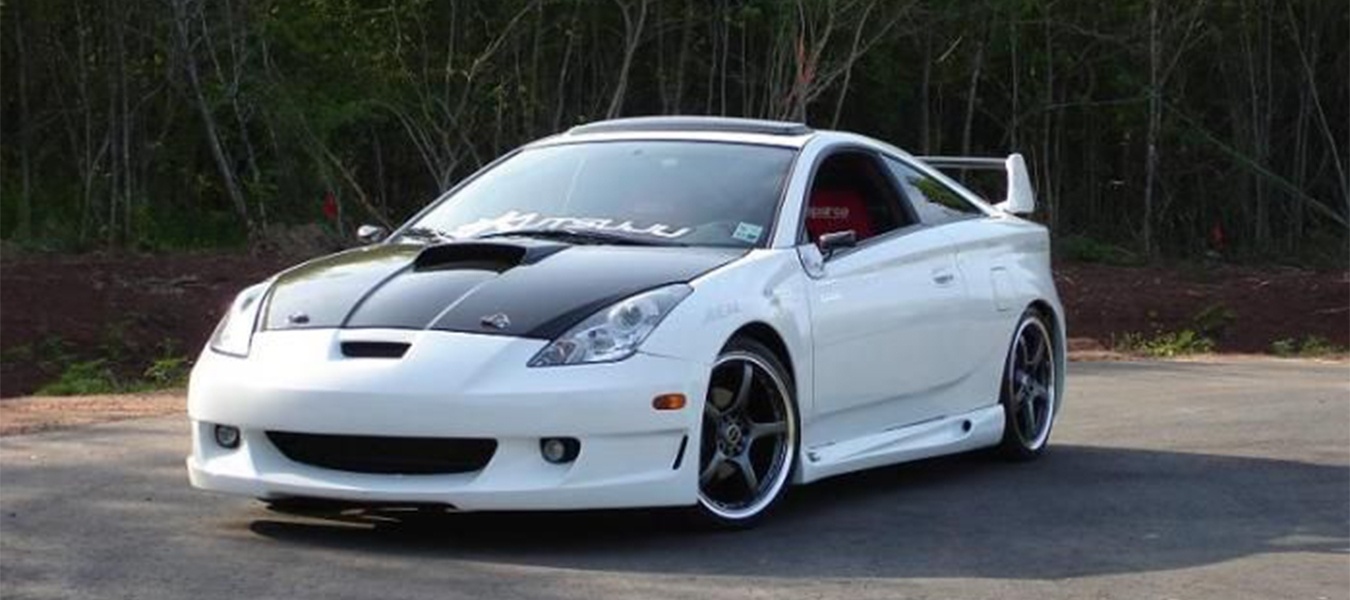
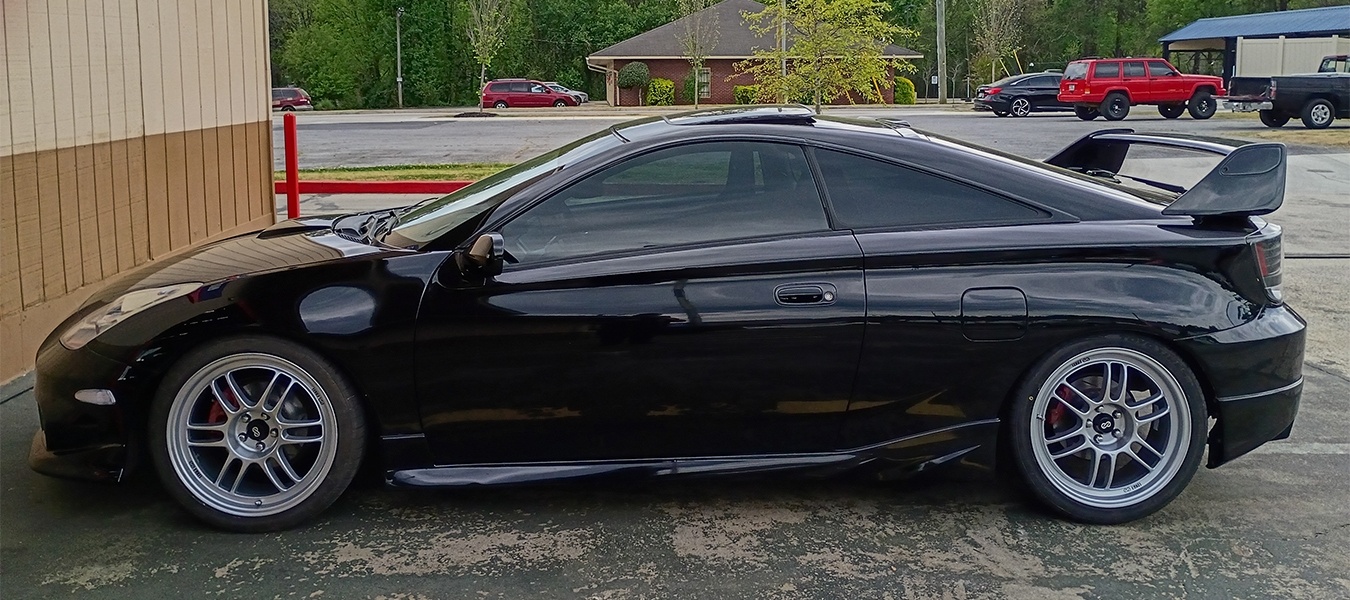
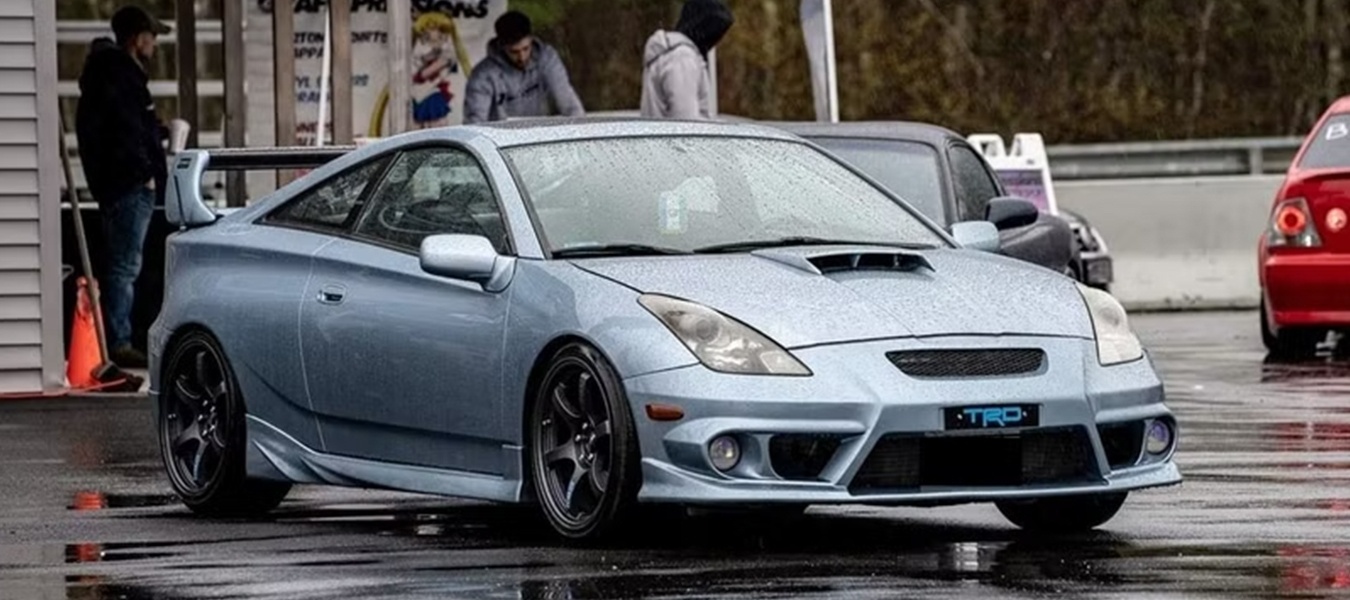
The 7th generation Toyota Celica is one of those cars that has actually aged surprisingly well. Sold from 2000 to 2005 in the U.S., the Celica came in two main flavors. The GT with the 1ZZ-FE and the GT-S with a higher revving 2ZZ-GE. The GT made around 140 horsepower, while the GT-S made 180 horsepower and came with a 6-speed manual option. For the time, these were some pretty impressive numbers for a naturally aspirated four cylinder.
Today the Celica sometimes gets a bit forgotten, but it still remains as a light, simple, front-wheel drive, wedge shaped car that has a ton of potential for autocross and curvy roads.
So if you've picked up a 7th-gen Celica and you're wondering where to start with modifications, here’s what we would recommend.
First: Figure Out Which Engine You Have
Before buying anything, figure out whether you're working with a 1ZZ or 2ZZ.
The 1ZZ-FE came in the GT. It's the simpler and more torque-oriented of the two engines, but early cars have a well-known history of oil consumption. The 2000-2002 GT is where you'll want to pay particular attention to oil consumption and overall engine condition.
The 2ZZ-GE came in the GT-S. This is the engine most people think about when building a 7th-gen Celica. It revs much higher and uses Toyota's VVTL-i system to switch to a more aggressive cam profile at higher RPM.
If you have a GT and eventually decide you want more power, a 2ZZ swap is also a well-established route. The swap has been done enough that the required parts and process are well documented.
Start With Maintenance
This is an old car now. Most 7th-gen Celicas are more than 20 years old.That means your first modifications should probably be the things that keep the car alive.
The early 2ZZ engines are also known for lift-bolt failures. If you're working with an early GT-S, it's worth inspecting the lift system before spending money on performance parts. Check your brakes, fluids, hoses, bushings, and any other piece that could have deteriorated over the last 2 decades.
Best Suspension Upgrades For The 7th Gen Celica
Suspension upgrades can take any car from pretty good, to “Holy crap this car is amazing”. As long as you do it right! Here are the suspension upgrades we would recommend to get the most out of your Celica.
Coilovers
Coilovers are one of the most common upgrades you'll see on modified Celicas.
Popular setups include:
Lowering Springs
If you don't need adjustable ride height, springs are a simpler option, still lower the car, and fit into a budget easier. Here are some options:
- TEIN S.Tech
- TRD springs
- Eibach springs
Pairing lowering springs with quality dampers such as Koni is a setup that has been used on these cars for years.
Sway Bars
Sway bar upgrades are often kicked to the curb because most people don’t understand them. But if you’re looking to tighten up the overall responsiveness of your car and limit body roll, these are a must!
What Wheels Fit The 7th Generation Toyota Celica?
The Celica uses a 5x100 bolt pattern with a 54.1mm hub bore, so there are plenty of wheels to choose from. For a street-focused build, 17-inch wheels are a really good middle ground, but 18-inch wheels still look good. A common enthusiast setup is:
Recommended Fitment Range
Our Top Recommended Fitment
17x9 +35 with a 225/45 Tire
Wheels we Like:
Tires we Like:
If your Celica is your daily driver, there are a ton of great all-season tires out there that still allow you to get on the car in the corners. Those include:
If you’re looking for something a bit more sticky for those sunny Summer days:
Brake Upgrades
You don't need a massive brake kit to make a Celica stop well. Before you hop into a big brake kit try starting off with:
If you're building a GT-S for serious track use, that's when a larger brake setup starts making more sense. For a street car, good pads, rotors, and fresh fluid go a long way.
Intake Upgrades
The 2ZZ responds well to getting more air into the engine, and cold-air intakes are one of the most commonly discussed bolt-ons for the platform.
A very popular option for the Celica GTS is:
Exhaust Upgrades
An aftermarket exhaust is a must, but make sure you choose one that doesn’t make your car sound like your cousin practicing their trombone into an oil drum. Good news, there are still some high quality systems being made for these cars that you can get that do it justice.
Headers: 1ZZ vs. 2ZZ
The 2ZZ has a surprisingly good factory exhaust manifold. That's why you'll see older Celica owners arguing about headers. If you're building a serious 2ZZ, PPE Engineering headers are one of the names that consistently comes up in the community.
- PPE long-tube headers
- PPE mid-pipe
- Ported factory manifold
The important part is building the exhaust as a system. Throwing a random header, giant exhaust, and intake on the car doesn't automatically create power. The 2ZZ benefits from having the intake, exhaust, and engine management working together.
The Biggest Mistakes When Modifying A 7th Gen Celica
Focusing on Power Over Handling
The Celica doesn't have a ton of power to begin with. Sorry to break it to you. But that doesn’t mean you can’t have fun with it. Focusing on how the car handles and the driving experience is where Celica builds really shine.
Cheaping Out on Suspension
A cheap coilover that makes the car ride terribly isn't an upgrade. Buy something designed for how you actually drive the car.
Ignoring Maintenance
This is probably the biggest one. A lot of these cars have lived several lives already. Make sure the engine, suspension, brakes, and cooling system are healthy before piling aftermarket parts onto them.
The Ultimate 7th Gen Toyota Celica
The best thing about the 7th-gen Celica is that you don't need a ridiculous build to make one fun. Start with tires. Get the suspension sorted. Make sure the brakes are good. Then decide what you want from the engine. A 1ZZ-powered GT can become a fun street car. A 2ZZ GT-S can become a seriously entertaining canyon and autocross car.
And if you really want to go down the rabbit hole, there's a huge amount of information out there for engine swaps, forced induction, track builds, and everything in between.
The formula is pretty simple: keep it light, keep it reliable, and build the car around how you actually drive it. Mod your car with your friends at MartiniWorks.