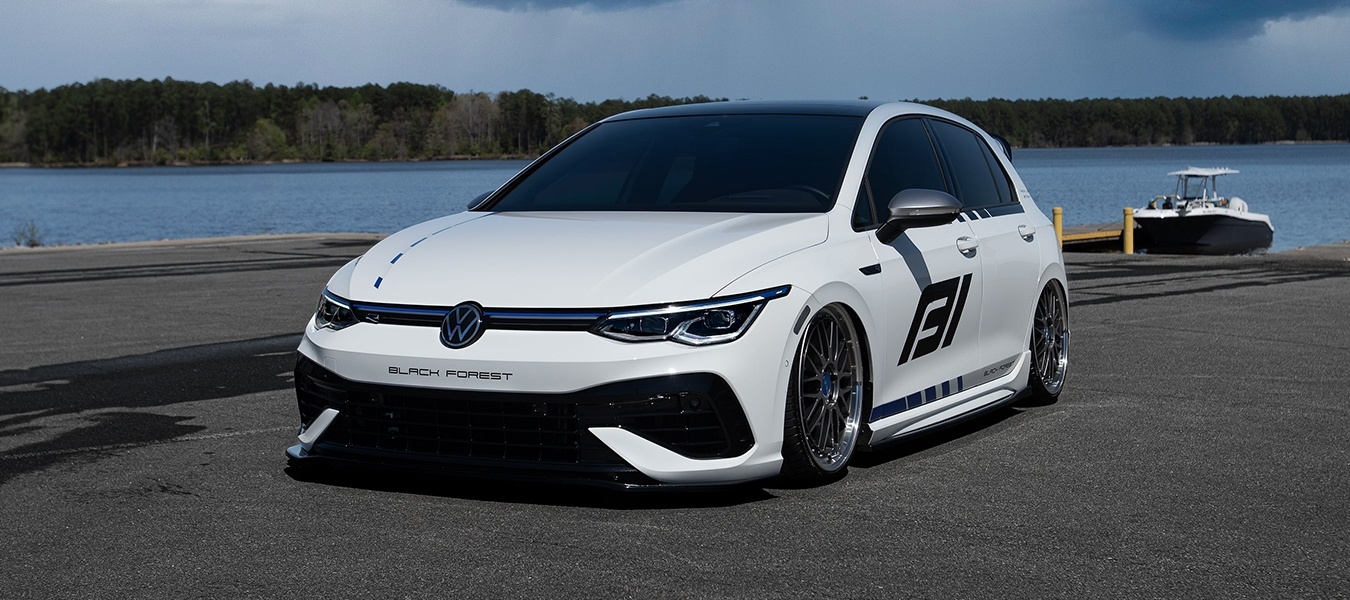
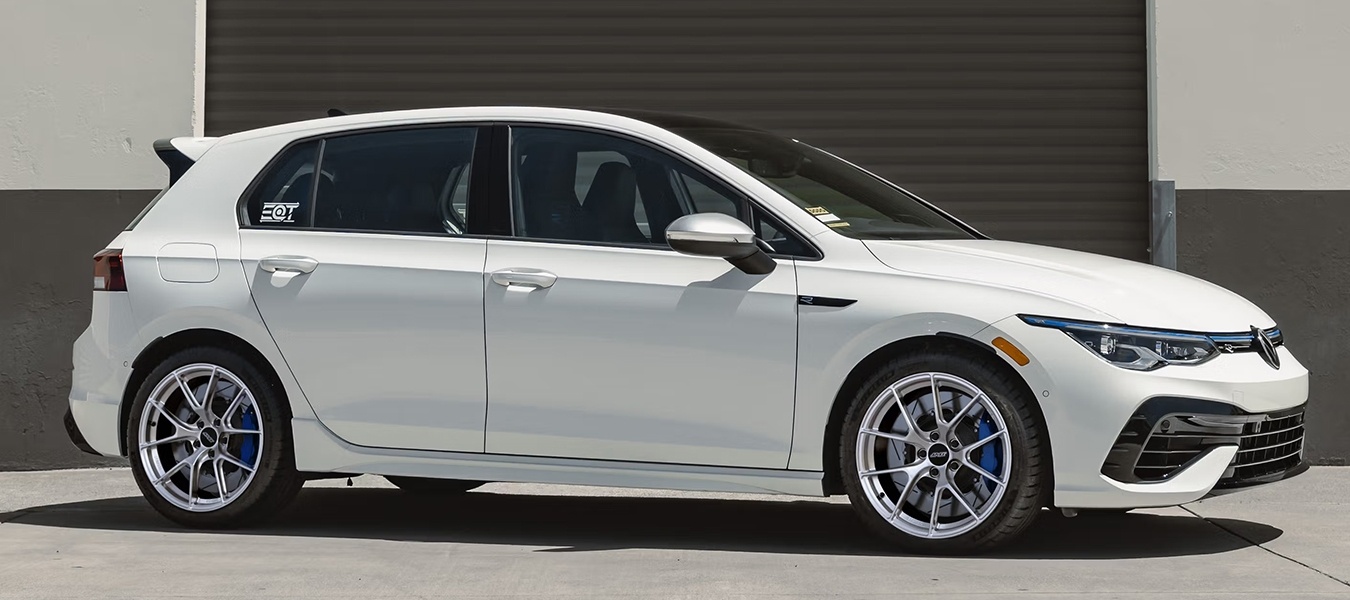
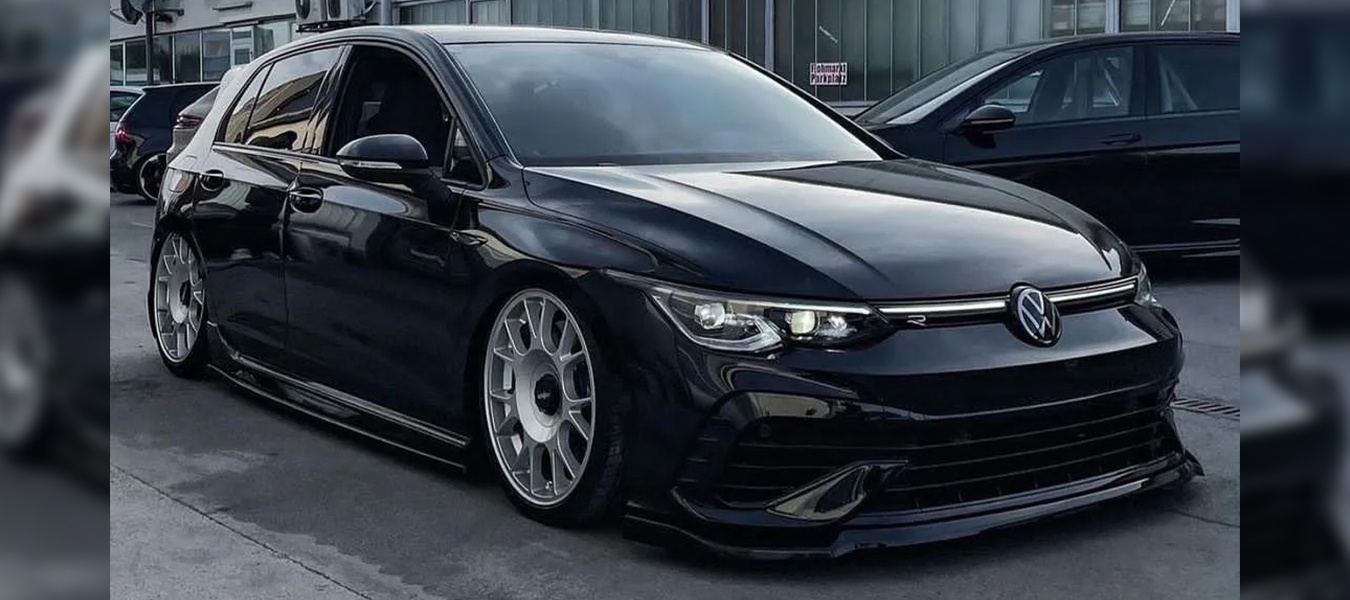
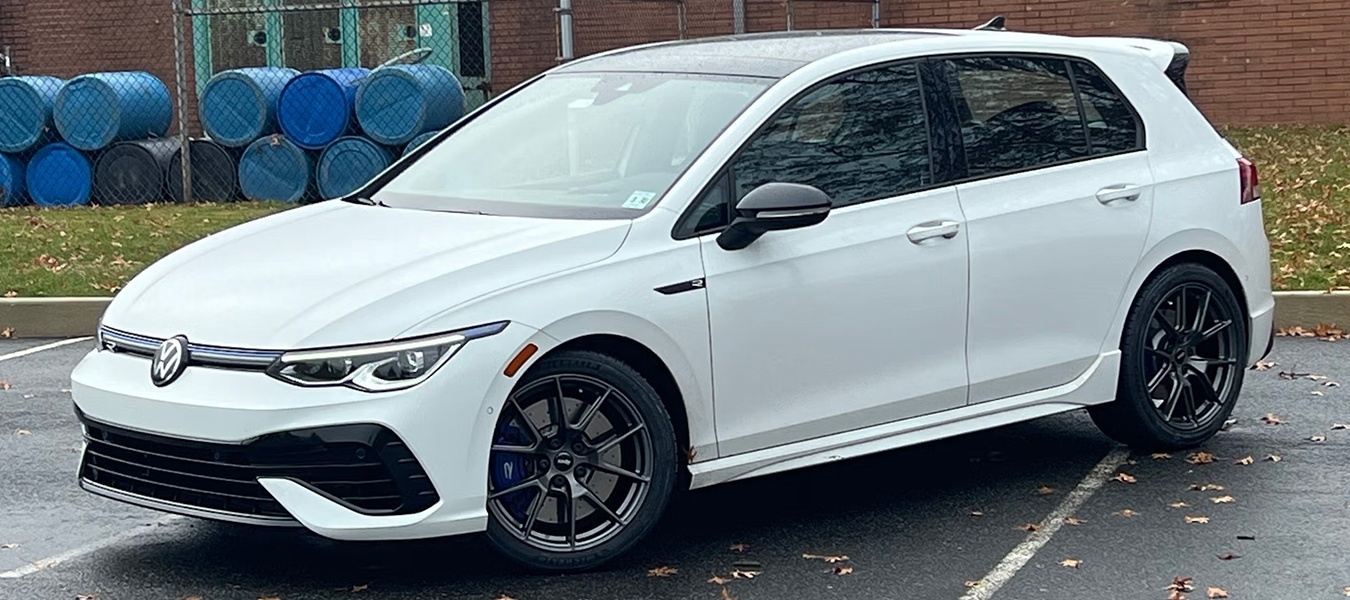
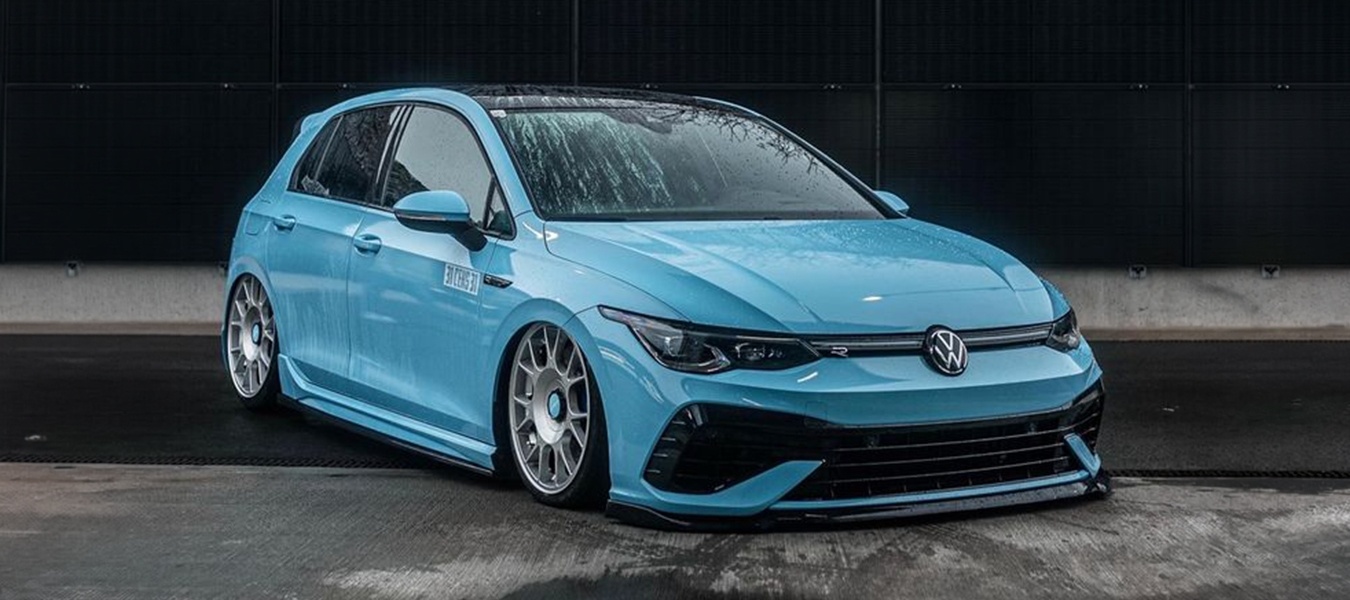
So you’ve picked up a MK8 Golf R and you’re wondering where to start with modifications. Out of the box, you get a turbocharged 2.0 liter four cylinder, 4MOTION all wheel drive, and enough power to make your drive to work just as fun as a rip on the back roads. Volkswagen did a surprisingly good job from the factory. The suspension is good. The AWD system is good. The brakes are good. The engine responds extremely well to tuning.
For most owners, that means making the Golf R more comfortable on the street, giving it better tires, tightening up the handling, throwing on some bolt-ons to let it breathe a bit better, and eventually waking up the EA888 with a tune.
Start With Tires
The Golf R makes enough power from the factory to overwhelm mediocre tires, especially when you're launching it or driving hard through corners. A good tire also makes a bigger difference in how the car feels than almost any other part.
For an all-season setup:
If you're looking for a summer performance tire:
If you're building the car around autocross or track days, that's where a 200 treadwear tire comes into play
Best Suspension Upgrades For The MK8 Golf R
Volkswagen already gave this car a very good chassis, and the factory DCC system is genuinely useful. If your car has DCC, don't immediately rip it out because somebody on Instagram told you that you need coilovers. Start with the simple stuff.
Rear Sway Bar
A rear sway bar is one of the first handling upgrades we would recommend for the MK8. The factory car is already remarkably neutral, but a stiffer rear bar makes the car feel more responsive and helps reduce body roll when you're pushing it through corners.
Popular options include:
- Integrated Engineering Rear Sway Bar
- APR Rear Sway Bar
- Whiteline Sway Bar
End Links
If you're upgrading the sway bar, stronger end links are worth considering.
Good options include:
- 034 Motorsport
- Whiteline
- Integrated Engineering
You don't necessarily need adjustable end links for a street car. We'd keep the factory links unless you're building around a more aggressive suspension setup and actually need the adjustment.
Lowering Springs
If you want to get rid of some wheel gap without completely changing how the Golf R drives, lowering springs are the way to go.
Popular options include:
Coilovers
If you're building the car around serious handling rather than simply getting rid of wheel gap, coilovers are where you’ll want to look.
Options we'd look at include:
What Wheels Fit The MK8 Volkswagen Golf R?
This is probably the single easiest way to improve an MK8 Golf R. The factory 19s look good, but they leave you with a pretty thin sidewall. Moving to 18s gives you more room for a thicker sidewall and a bit more comfort.
Recommended Fitment Range
Diameter: 18" - 19”
Width: 8.5" to 9"
Offset: +35 to +45
Tire Size: 235/35R18 to 245/40R18
Our Top Recommended Fitment
18x8.5 +43 with a 245/40R18 tire
19x8.5 45 with a 235/35R19 tire
Wheels We Like
There are a ton of options here, but these are some of the wheels we would look at for an MK8 Golf R:
Bolt On Performance
Intakes
Here's where things get a little controversial. The stock MK8 Golf R intake is actually pretty good. An aftermarket intake can improve airflow, but the biggest reason we'd install one is for more turbo and intake noise.
Popular options include:
Intercooler Upgrades
If there's one engine bolt-on we'd put ahead of an intake, it's the intercooler. The MK8 makes a good amount of power when tuned, and keeping intake temperatures under control is important if you're going to drive the car hard repeatedly.
Good options include:
Catback Exhaust
An aftermarket exhaust is one of the most fun mods you can do to these cars. Unlocking some more sound and a bit more power, it’s a win win.
Popular options include:
We'd focus on a system that gives the car a deeper, more aggressive sound versus going with the loudest system possible.
Downpipe
Typically we would recommend upgrading the downpipe along with your exhaust system. However, the MK8 Golf R is known for having a pretty high flowing downpipe already and the performance gains even when paired with a tune are pretty subpar. If you want to go for it, more power to you.
Tuning The MK8 Golf R
The EA888 responds extremely well to tuning, and this is where the MK8 really starts to wake up. The tuners we'd look at include:
DSG Owners
If you've got the DSG, a TCU tune can also make a big difference. The transmission is already quick, but software can change shift behavior, torque limits, clutch pressure, and how the transmission behaves in different drive modes.
The Ultimate MK8 Volkswagen Golf R
These newer hot hatches really don’t need much aftermarket support to have a ton of fun. However, that doesn’t mean you shouldn’t throw some parts at it. Just make sure they are quality parts that are actually an upgrade from OEM. The best MK8 Golf R builds are going to be the ones that are well thought out and use parts that work together. Drop the ride height, throw it on some dope wheels, and make some noise with an intake and exhaust. There are a bunch of really good part options out there for these cars, so make the most of it. And most importantly, make sure to mod your car with MartiniWorks.