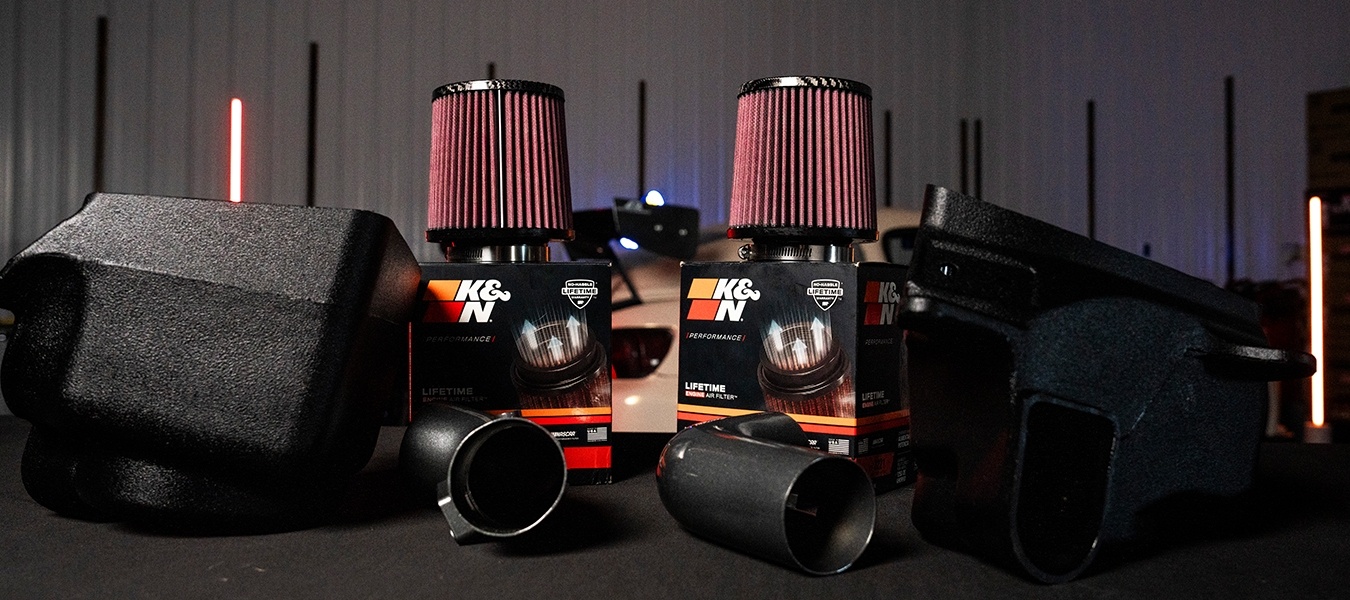
There’s a reason the AEM Cold Air Intake has stayed relevant for so long. In an aftermarket world full of overcomplicated parts, inflated horsepower claims, and mods that somehow turn a weekend install into a three-week headache, the AEM intake still sticks to a formula that actually works: better airflow, better sound, sharper response. Simple. And honestly, that’s why people keep buying them.
One of the Original Intake Names for a Reason
AEM has been in the intake game for decades, and you can tell they’ve figured out what enthusiasts actually care about. Their systems are designed as complete bolt-on kits, usually built around mandrel-bent aluminum piping, reusable DryFlow filters, and vehicle-specific fitment.
The install process is usually straightforward too. Most setups can be done in a driveway with basic tools, which is part of the appeal. Pull the factory airbox out, bolt the new system in, tighten everything down, and you’re basically ready to go.
The Sound Is Half the Reason People Buy It
Let’s be honest here, nobody installs a cold air intake purely for dyno numbers. The sound is a huge part of it. And that’s where the AEM Cold Air Intake tends to win people over.
Once installed, the engine feels noticeably more alive. Throttle input gets sharper, intake noise becomes more aggressive, and on turbo cars especially, you start hearing all the sounds the factory airbox tried to hide. More spool. More induction noise. More personality. That change alone makes the car feel less muted and way more engaging to drive.
Performance You Can Actually Feel
No, an intake alone isn’t going to magically turn the car into a race build. But that doesn’t mean it’s pointless. The biggest gains usually come in the way the car responds. Throttle feels more immediate, the engine revs a little freer, and the midrange tends to feel less restricted once the factory intake system is gone. AEM systems are also designed to pull cooler air when possible, which helps airflow efficiency compared to restrictive stock setups.
For a daily-driven car, that kind of improvement matters more than chasing massive peak horsepower numbers anyway. The car just feels better to drive.
Built Like an Actual Upgrade
One thing AEM generally gets right is making the intake feel like a real component instead of a random pipe and filter tossed in a box.
Most systems use aluminum tubing, proper mounting hardware, reusable oil-free filters, and clean fitment that works with factory sensors and airflow setups. The DryFlow filters are also a big plus. Since they’re oil-free, you avoid some of the MAF sensor issues people worry about with heavily oiled filters, while still getting a reusable setup that can last tens of thousands of miles before cleaning. It’s one of those mods that feels OEM+ once it’s installed.
Let’s Keep Expectations Real
At the same time, cold air intakes still come with the usual realities. Some setups can experience heat soak depending on engine bay design, climate, and whether the intake is fully enclosed or more open-air. That’s something enthusiasts online still debate heavily depending on platform.
And while most people are happy with the overall fit and finish, there are occasional reports of inconsistent quality control or missing hardware depending on the kit. That doesn’t make the intake bad… it just means it’s still an aftermarket part, and like anything aftermarket, install experience can vary a little from platform to platform.
Why Mods Like This Still Matter
The older you get in the car world, the more you realize not every mod needs to be extreme. Sometimes the best upgrades are the ones that make the car feel more connected without ruining the things you liked about it in the first place. That’s exactly where the AEM Cold Air Intake lands. It adds sound without being obnoxious. It sharpens response without hurting drivability. And it gives the engine a little more personality every time you get into boost or roll into the throttle.
It’s a simple mod that makes a big difference.