Why Enthusiasts Upgrade to Mishimoto
Factory radiators are built for one thing: “good enough.” That works… until it doesn’t.
Add more power, more heat, turbochargers, track time, towing, or even just Florida summer traffic (you know the deal), and suddenly that OEM cooling system starts showing its limits.
Mishimoto’s whole philosophy is simple: Build cooling systems that handle real stress, not just factory conditions.
That means more thermal capacity, better materials, and designs aimed at keeping temps stable when it actually matters.
What Makes Mishimoto Radiators Different?
Mishimoto isn’t just swapping materials and calling it a day. Their radiators are purpose-built performance upgrades.
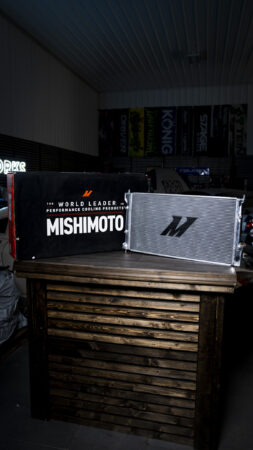
They start with full all-aluminum construction, ditching plastic end tanks entirely in favor of aluminum cores. That improves heat dissipation, increases pressure resistance, and adds long-term durability compared to most OEM-style radiators.
They also increase cooling capacity by building many units thicker than stock, which adds coolant volume and surface area for better heat exchange. In practice, that means lower sustained temps, less heat soak in traffic or on track, and more consistent engine performance when things get hot.
Mishimoto also refines internal flow with smarter core designs, including dual-pass setups on certain applications. Instead of just moving coolant faster, these designs slow it down strategically to improve heat transfer efficiency where it counts.
And finally, they keep everything direct-fit. You get factory mounting points and stock compatibility, making it a true bolt-in upgrade with no cutting or fabrication required.
What You’ll Notice in the Real World
Based on Mishimoto’s own testing and common user feedback, these radiators are known for delivering more stable operating temperatures under load, better recovery after heat soak, and improved consistency when driving aggressively. They also tend to hold up better in high-heat environments, making them a solid upgrade when conditions start pushing factory cooling systems beyond their limits.
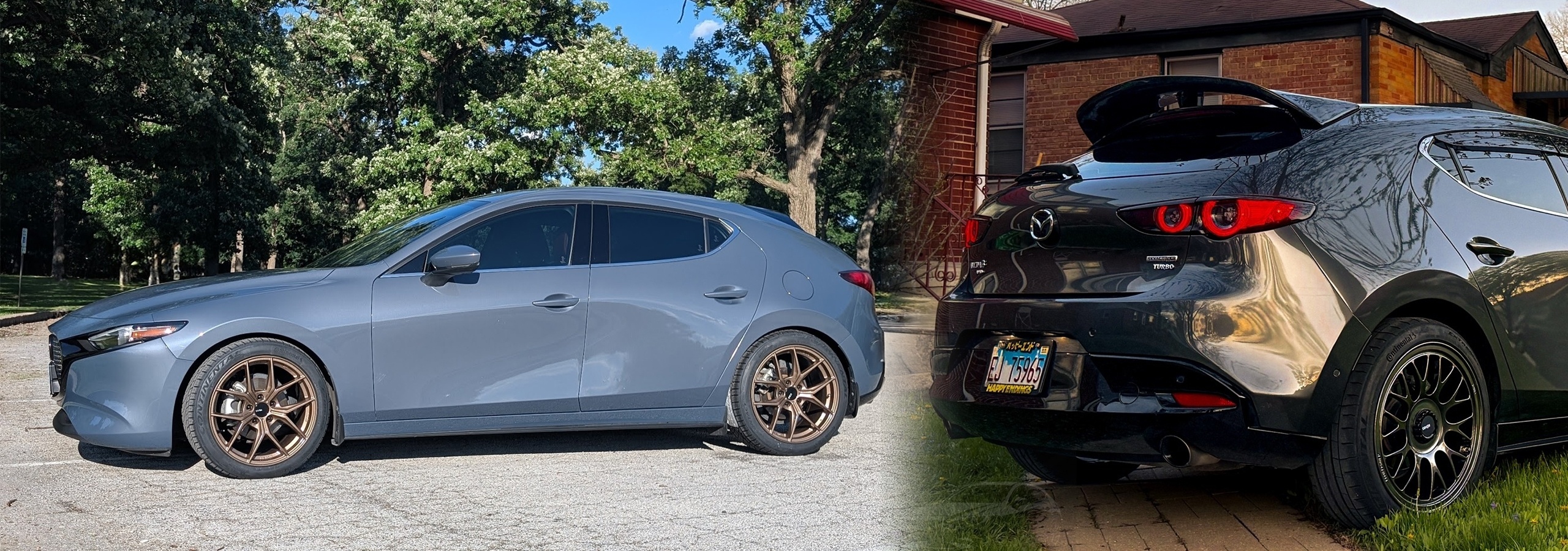
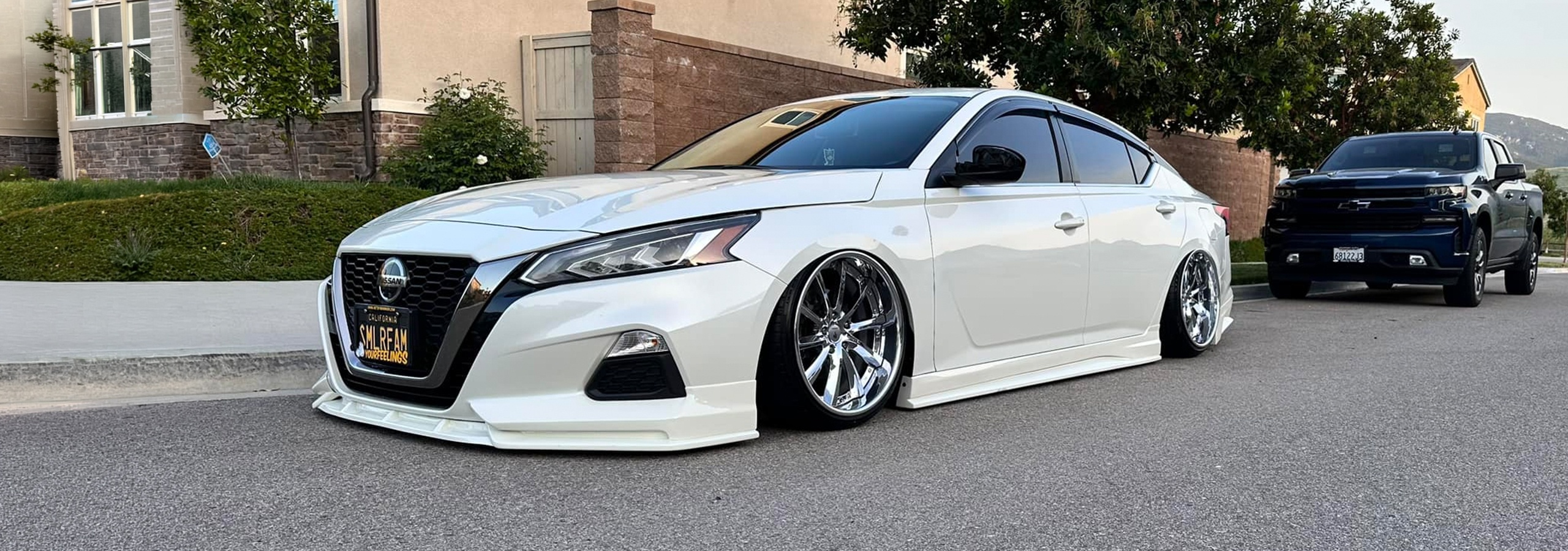
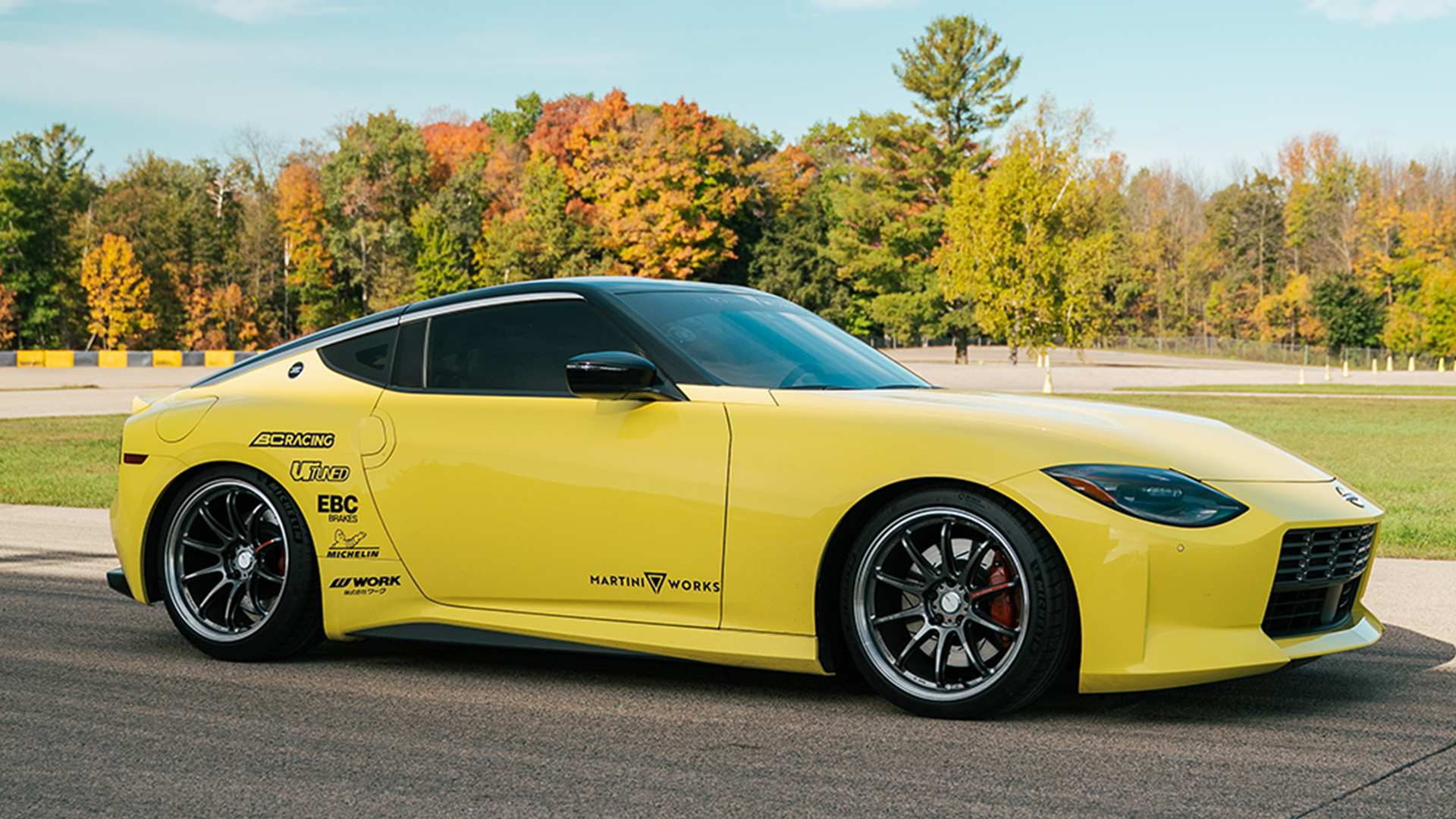
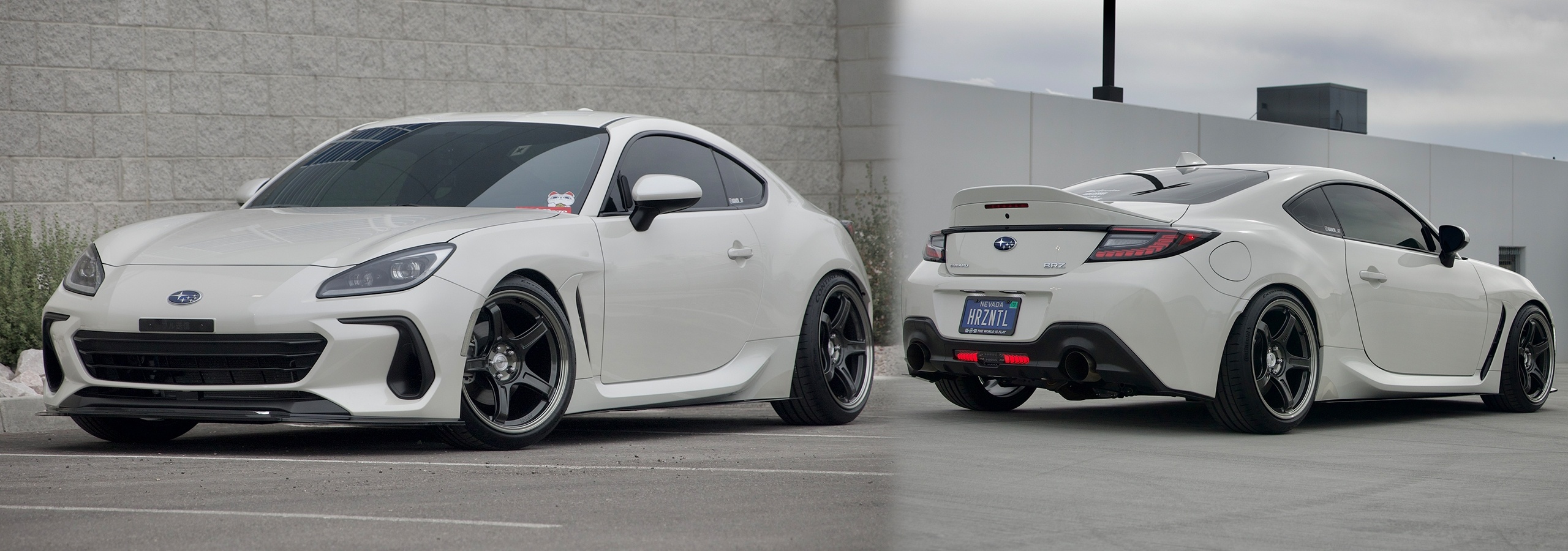
Because of that, they’ve become especially popular across a wide range of builds, including turbocharged setups, track cars, off-road rigs, towing vehicles, and daily drivers in hotter climates.
Basically: anything that pushes cooling beyond stock limits.
The Honest Take
Mishimoto sits in that middle ground where they’re not “race-only overkill,” but also not a mild OEM replacement.
They’re built for enthusiasts who want noticeably better cooling performance, reliable daily drivability, a clean, factory-style install, and a proven aftermarket brand backing the product.
Are they the absolute cheapest option? No.
Are they the most overbuilt race radiator on earth? Also no.
But they hit that sweet spot of performance + reliability + ease of install, which is exactly why they’re such a common upgrade.
Now Available at MartiniWorks
We’re officially adding Mishimoto Radiators to the MartiniWorks lineup, giving you another solid option when it’s time to fix cooling issues or prep your build for more power.
Because overheating isn’t a vibe and neither is limping a car off track when you should’ve upgraded cooling first.