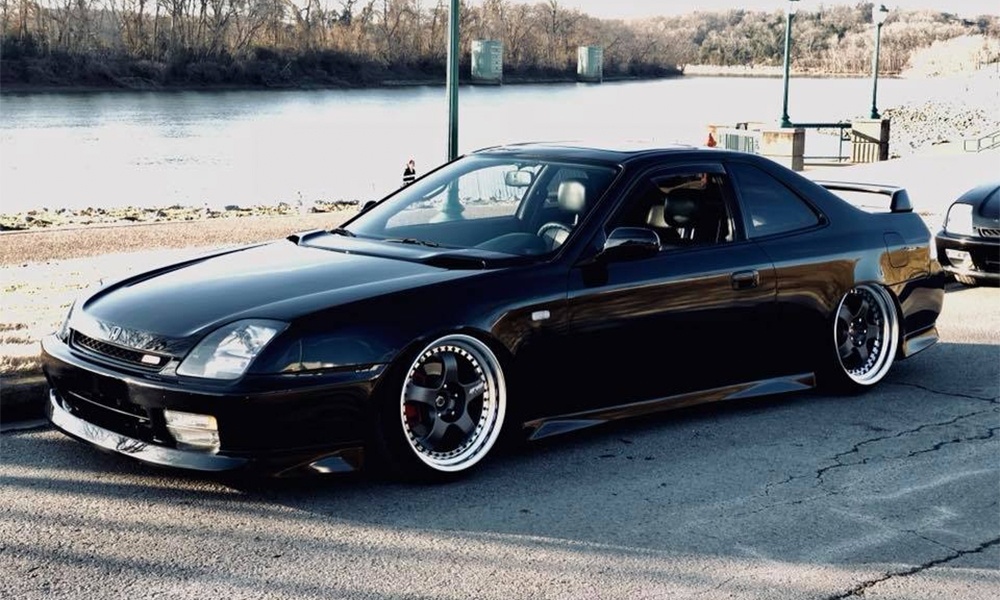
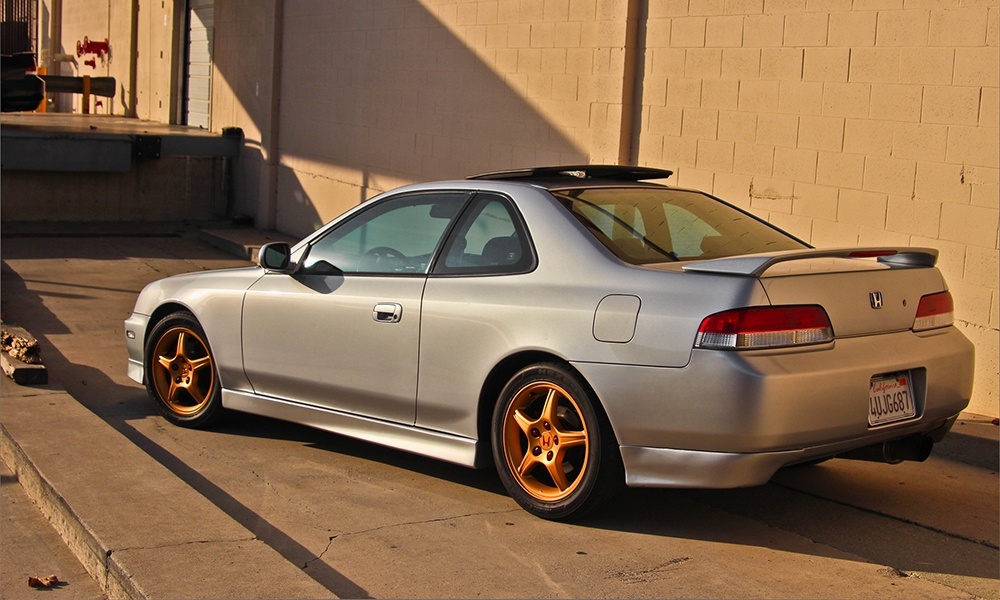
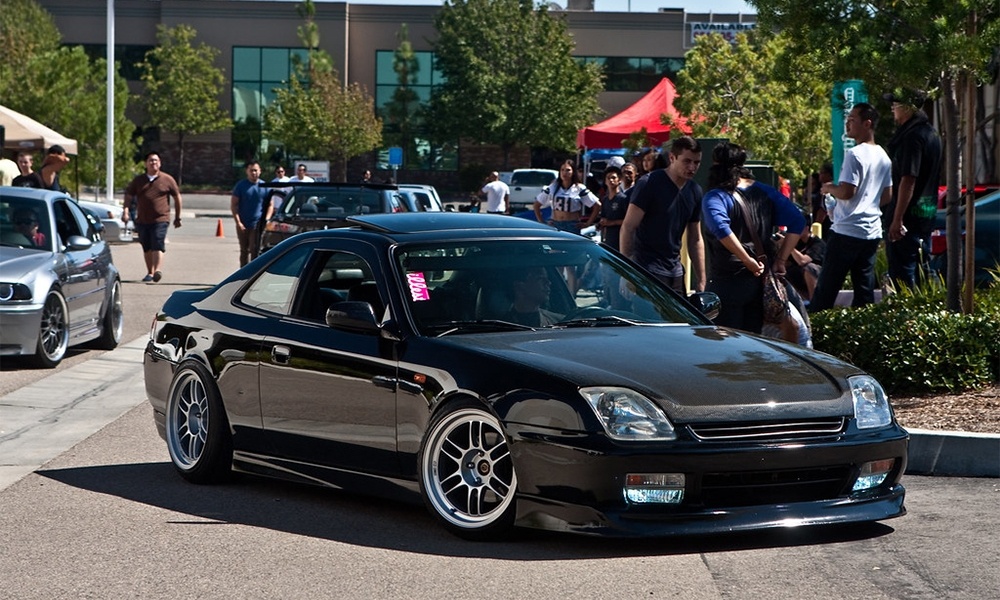
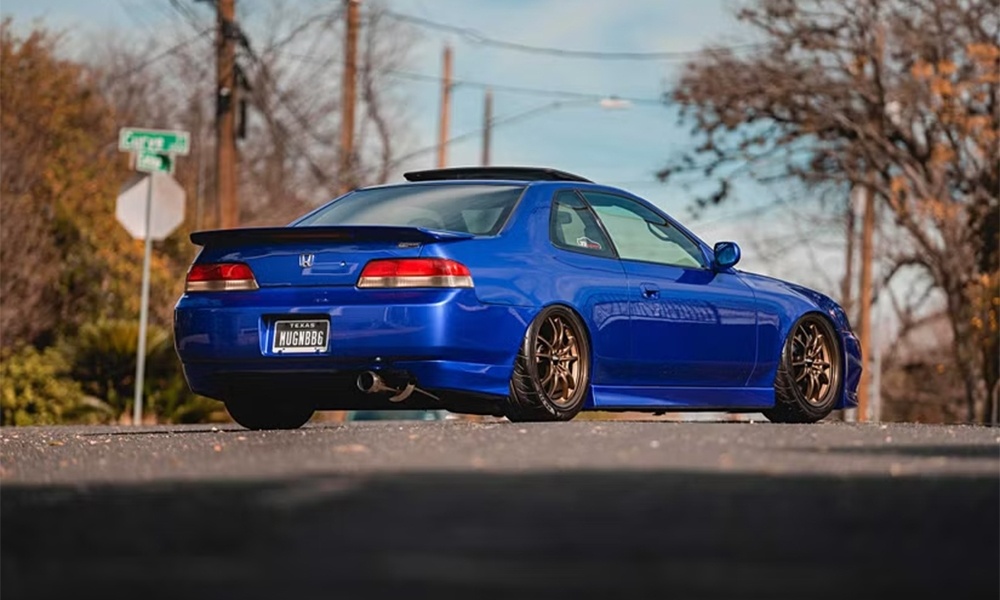
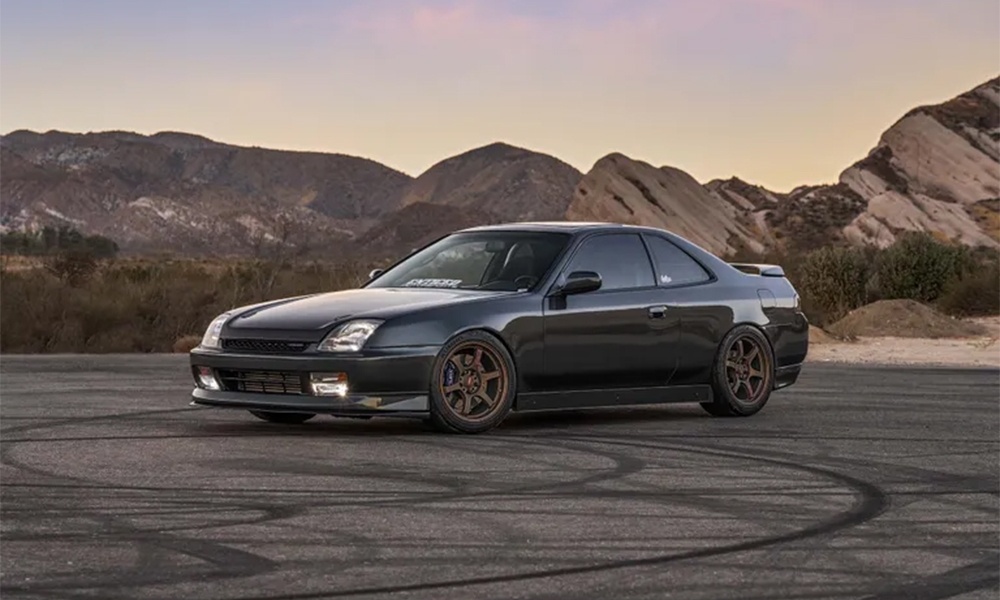
The 5th Generation Honda Prelude was never supposed to be the fastest Honda on the road. It was supposed to be the one you actually wanted to drive. The H22 gave it a high revving VTEC powerband, the double wishbone suspension gave it some serious cornering potential, and the styling was peak late 90s Honda.
Nearly 30 years later, the formula still works. The problem is that the cars have gotten old. A lot of what makes a 5th Gen Prelude feel bad today has less to do with the original engineering and more to do with worn bushings, tired dampers, neglected H22s, and questionable modifications from the last few decades.
That makes building one a little different from modifying a newer Honda. You aren't starting with a blank canvas. You're working with a genuinely good chassis that needs to be brought back to its potential. Here's how we'd approach it.
Getting Started: Ideal Order of Operations
The best way to modify a 5th Gen Prelude is to build around what the car already does well. The H22 doesn't need to make 500 horsepower for the car to be fun.
Here's the order we'd recommend:
- Maintenance and Reliability
- Suspension
- Wheels and Tires
- Brakes
- H22 Performance
- Drivetrain
- Exterior and Interior
The Most Important Mods: Maintenance and Reliability
Before modifying your Prelude, figure out what needs fixing. These cars have been around long enough that maintenance history matters more than the odometer. Timing belt service, oil leaks, cooling system problems, worn suspension components, and tired engine mounts are all things worth addressing before performance modifications.
H22 Timing Belt
The timing belt is not an area to gamble with. If you don't have documentation showing when it was last replaced, assume it needs to be done. While you're there, replacing the water pump and other related components makes sense.
The H22 also has a reputation for issues with the factory automatic tensioner, particularly on modified engines. A recommended upgrade is to swap over to the H23 manual tensioner conversion instead.
Cooling System
Check the radiator, thermostat, hoses, fans, and coolant system before adding power. The H22 is a high revving engine that makes its power toward the top of the tachometer. An old cooling system isn't something we'd trust just because the temperature gauge looks normal on your commute.
Oil Leaks
Cam seals, valve cover areas, and other aging gaskets can start leaking on an H22. Fix the leaks before they become a larger problem.
Engine Mounts
Worn mounts can make the car feel sloppy and contribute to wheel hop and drivetrain movement. Polyurethane engine mounts and bushings make a noticeable difference in how tightly the car puts its power down, but just remember that comes at the cost of some comfort. You will feel EVERYTHING.
Suspension Bushings
Before buying coilovers, inspect the entire suspension. Control arm bushings, ball joints, tie rods, wheel bearings, sway bar bushings, and end links have all had decades to deteriorate. Replacing worn components is often the biggest improvement you can make to an old Prelude.
Suspension Modifications
Honda gave the car double wishbone suspension at both ends, and the Prelude community has spent decades figuring out how to make that chassis work even better. The important part is choosing parts that complement the car instead of simply making it lower.
Springs and Dampers
One of the classic 5th Gen Prelude setups is Koni Sport dampers with Lowering Springs
This combination has a long history in Prelude autocross and street builds. For a straightforward street setup, Eibach and H&R springs paired with quality dampers are a go-to choice.
Coilovers
If you want adjustable ride height and damping, there are plenty of modern options for the 5th Gen. Common choices include:
Rear Sway Bar
The rear sway bar is one of the more interesting handling modifications for the Prelude.
A Progress 27mm rear sway bar paired with Koni Yellows and lowering springs has been a proven combination in Prelude autocross setups for years. One documented setup ran the 27mm Progress rear bar with the stock front bar specifically to improve rotation.
Bushings and Adjustable Arms
If you're lowering the car significantly, alignment becomes part of the suspension build. SPC and Ingalls have been common names for Honda suspension adjustment, while polyurethane bushings from Energy Suspension and similar manufacturers are frequently used when owners rebuild older Preludes.
Don't install adjustable arms simply because they're available. Use them to correct the geometry created by your ride height and then get the car properly aligned.
What Wheels and Tires Fit the 5th Generation Prelude?
Our Top Recommendation
17x8 +38 with a 205/40 tire
Wheels We Like On The Prelude
You can't go wrong with some of the classics when it comes to the Honda Prelude:
Tires
Don't let the wheels get all the attention. The Prelude is front wheel drive, so the front tires are doing a lot of work. For a street car, look at tires such as:
For autocross or track use, more aggressive options like:
Brake Upgrades
You don't need a giant brake kit to make a 5th Gen Prelude stop well. Start with making the factory system work properly. Fresh rotors, quality pads, and fresh fluid should be the first step.
H22 Bolt-on Performance
The H22 is the reason a lot of people bought a 5th Gen Prelude in the first place. It's not the easiest engine in the world to find parts for anymore, but there is still a substantial amount of knowledge surrounding naturally aspirated H22 builds.
The basic formula is still the same:
Intake + Header + Exhaust + Tuning
Just don't expect a cold air intake and exhaust to suddenly turn your Prelude into a drag car.
Intake
AEM and Injen are two names that have been used extensively on H22 Preludes.
An intake can improve induction sound and potentially help airflow, but the exact design matters. H22 tuning specialists have pointed out that intake length and runner design can matter more than simply grabbing the coldest air possible.
If you're building a naturally aspirated H22, think about the entire intake system rather than treating a cone filter as a horsepower modification.
Headers
The header is one of the more interesting parts of an H22 build.
Popular brands used in H22 and Prelude builds include:
For a street driven naturally aspirated H22, we'd generally favor a properly designed 4-2-1 header because the goal isn't just peak horsepower. You want the engine to remain useful throughout the RPM range.
Exhaust
A Prelude doesn't need a giant exhaust system to make power. A properly sized system from a manufacturer like Fujitsubo, Apexi, Invidia, or Skunk2 can complement the H22 without turning the car into a passive aggressive post on the neighborhood facebook page.
Intake Manifold and Throttle Body
Once you've gone beyond the basic intake/header/exhaust combination, the intake manifold becomes more relevant. Skunk2 is one of the better known names in the H22 aftermarket for intake manifolds and throttle bodies. At this point, though, you're building a combination rather than buying isolated parts. The manifold, throttle body, cams, header, compression, and ECU tune all need to work together.
Tuning
Depending on the exact H22 and ECU configuration, we recommend platforms such as Hondata, Neptune, and Crome.
Exterior Modifications
The 5th Gen Prelude doesn't need much help in the styling department. That's why we'd keep exterior modifications relatively simple.
Front Lip
A subtle front lip is one of the easiest ways to make the nose look more aggressive. The key word is subtle. The 5th Gen already has a fairly low, clean front end.
Rear Spoiler
The factory and JDM style spoiler options fit the car particularly well. If you're going for a period correct build, this is one area where staying close to the original Honda design language pays off.
Lighting
After 25 plus years, headlights and taillights can make an otherwise clean Prelude look tired. Restoring the original housings or upgrading the lighting while keeping the factory shape can make a surprisingly large difference.
The Biggest Mistakes When Modifying The 5th Generation Honda Prelude
The Prelude is a relatively simple car to modify, but there are a few ways to ruin one pretty quickly.
Modifying Before Fixing The H22
Don't start ordering headers when you don't know when the timing belt was last changed. Get the engine healthy first.
Ignoring The Rear Suspension
The rear of the Prelude matters. A larger rear sway bar is popular for a reason, and the car's handling balance can change dramatically depending on how the rear suspension is set up.
Buying Wheels That Are Too Heavy
A lightweight 17 inch wheel with a good tire is generally going to be more useful than a heavy 18 inch wheel that looks impressive in a parking lot.
Chasing H22 Horsepower
The H22 is fun because of the way it makes power. If you want a 500 horsepower Prelude, that's absolutely possible. There are plenty of 5th Gen builds making that kind of power with built and turbocharged H22s. But those cars require an entirely different level of supporting modifications and drivetrain work.
For most street cars, suspension, tires, brakes, and a healthy H22 will create a much more enjoyable Prelude than chasing a dyno number.