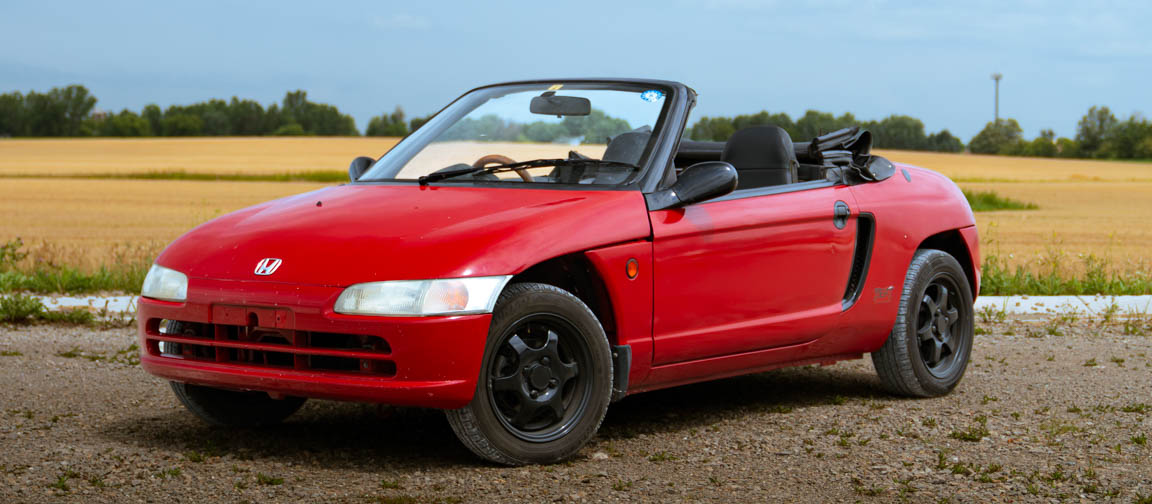
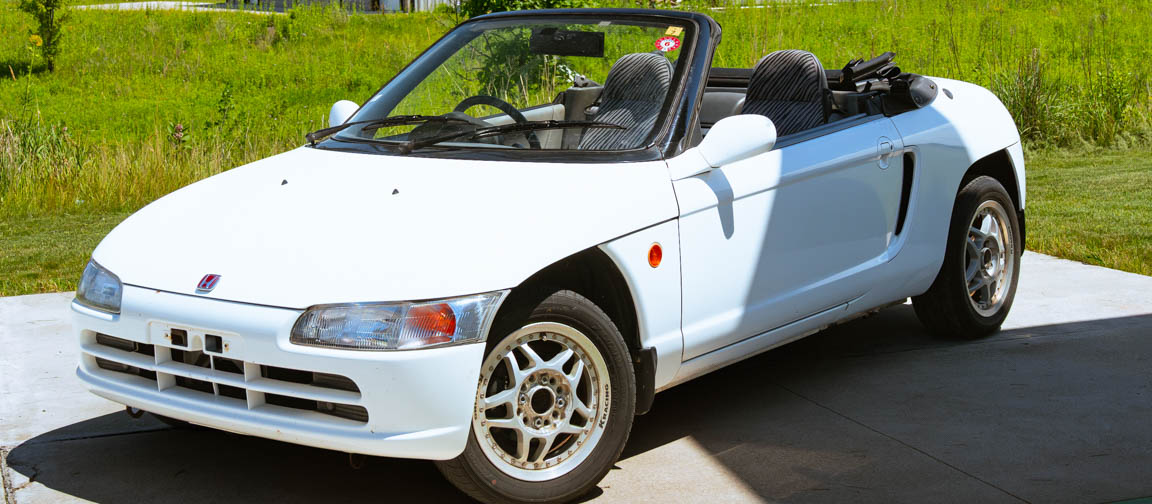
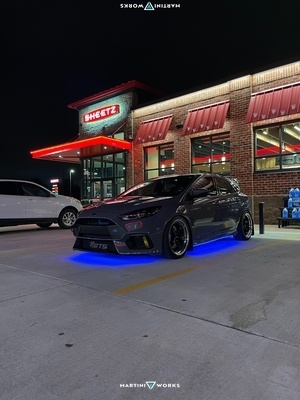
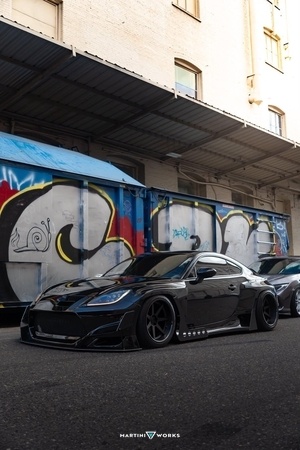
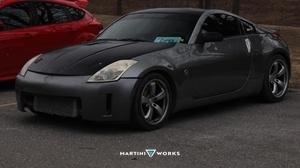
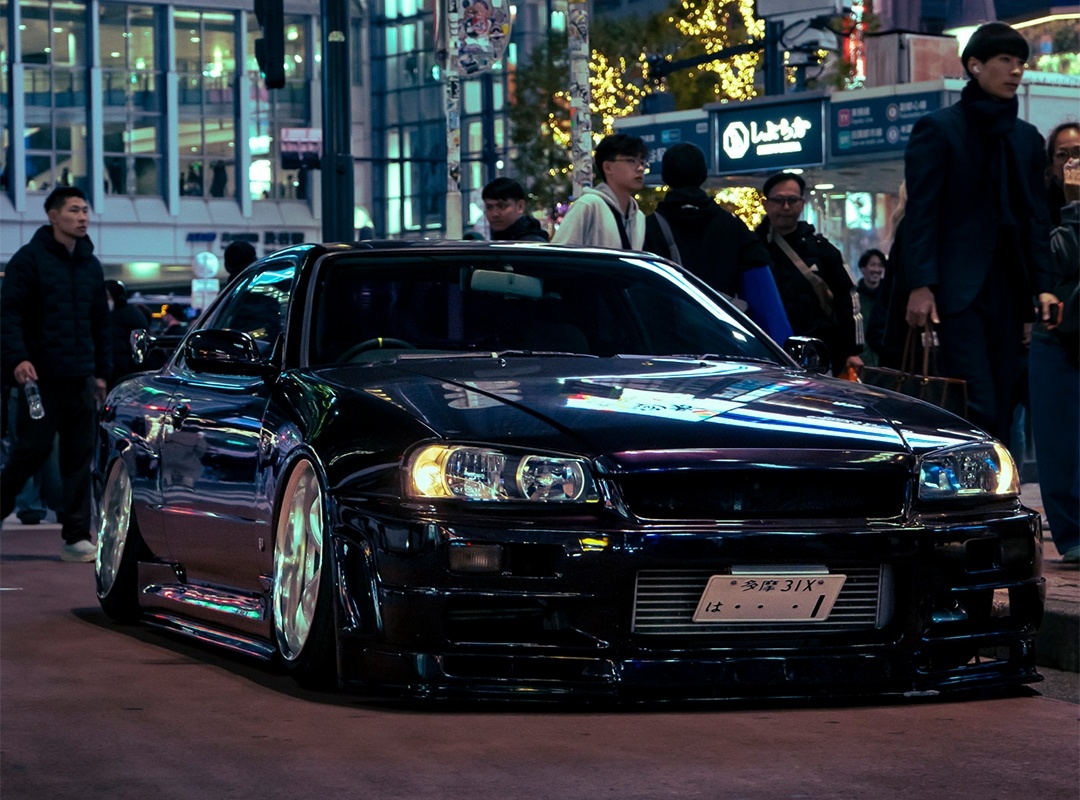
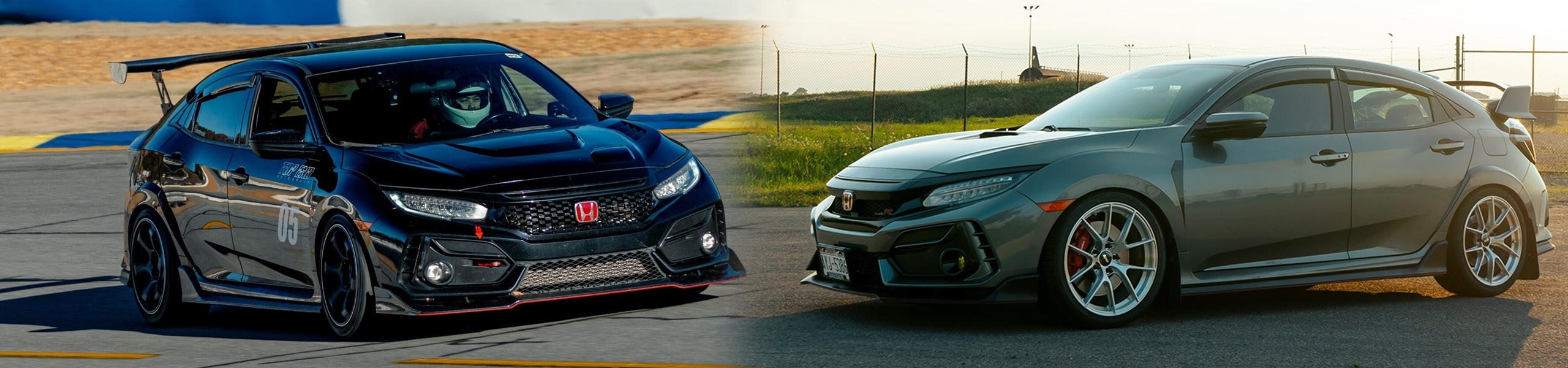
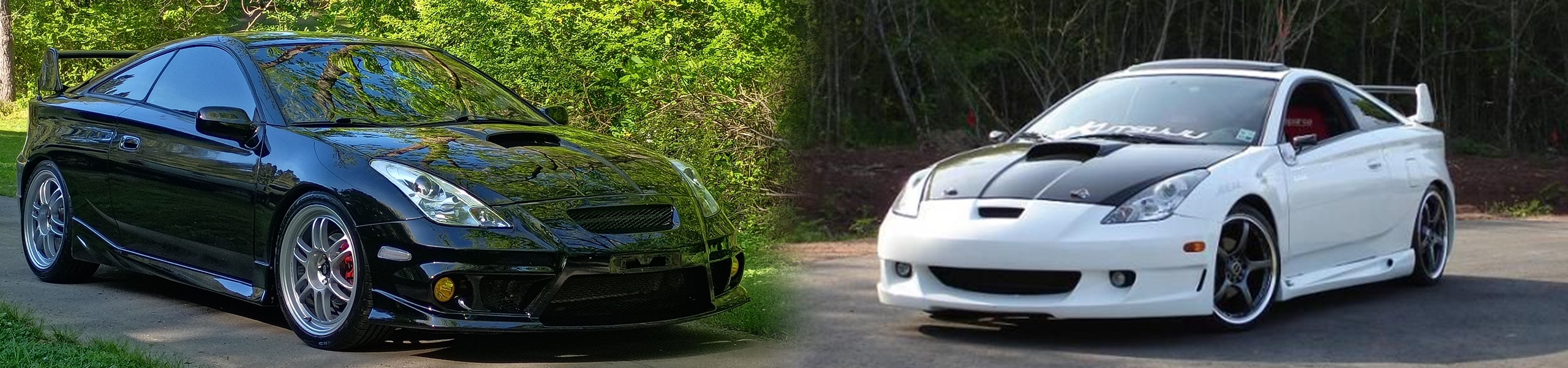
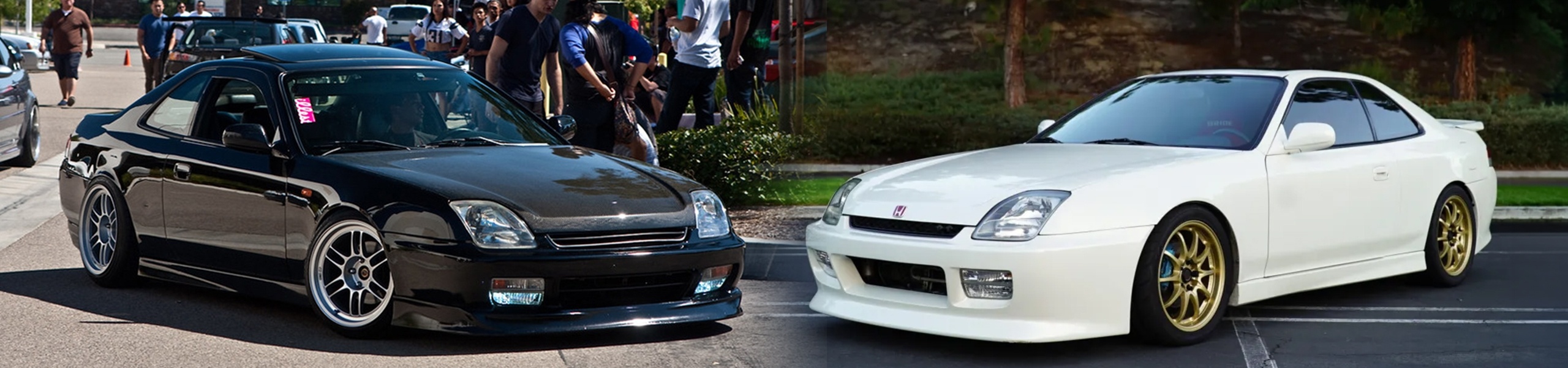
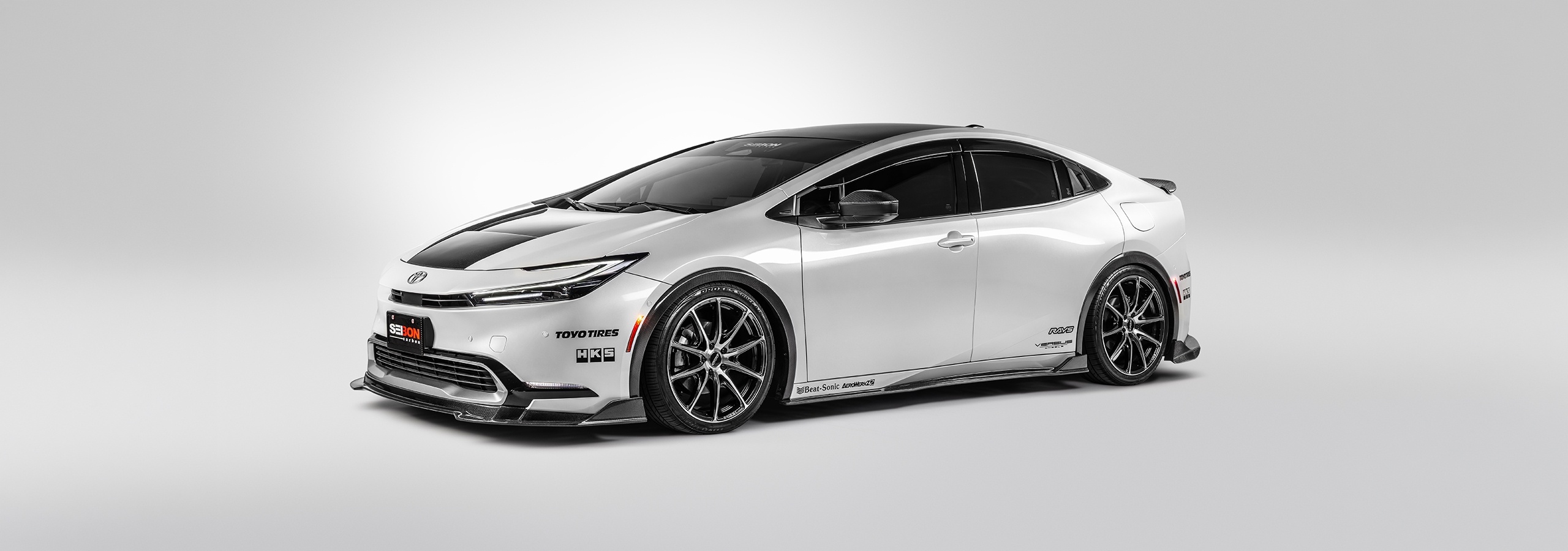
If you've spent any amount of time in the car community, you've probably heard the term JDM thrown around. JDM wheels. JDM cars. JDM parts. JDM builds.
At this point, the term gets used so often that it can start to mean just about anything involving a Japanese car. But here's the thing: JDM doesn't simply mean Japanese car. So what does it actually mean?
What JDM actually means…
JDM stands for Japanese Domestic Market. That's it. Pretty simple, right?
The term refers to products that were specifically manufactured and sold for the Japanese market. When we're talking about cars, that means vehicles, engines, parts, and accessories that were intended to be sold in Japan rather than exported to other countries. That's an important distinction.
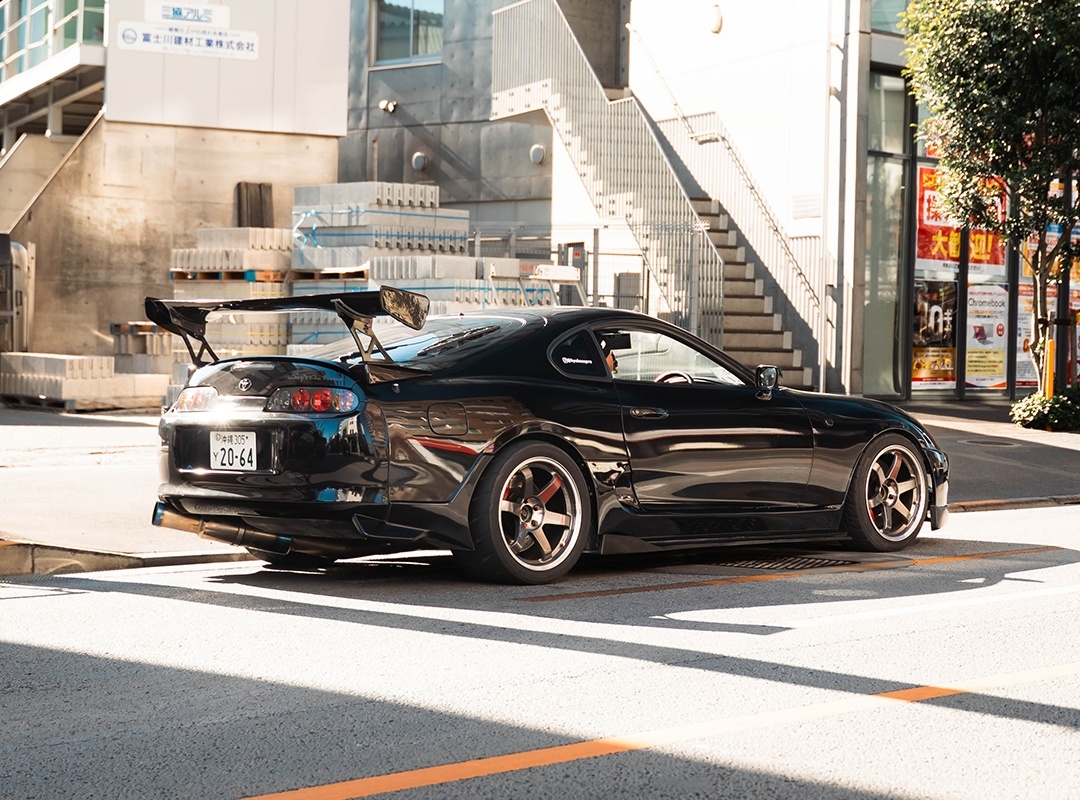
A Toyota Supra sold new in the United States isn't technically a JDM car simply because it's Japanese. It's a Japanese car, but it was built for the U.S. market. Meanwhile, a Toyota model or trim that was produced specifically for sale in Japan would fall under the JDM label.
So Is Every Japanese Car JDM?
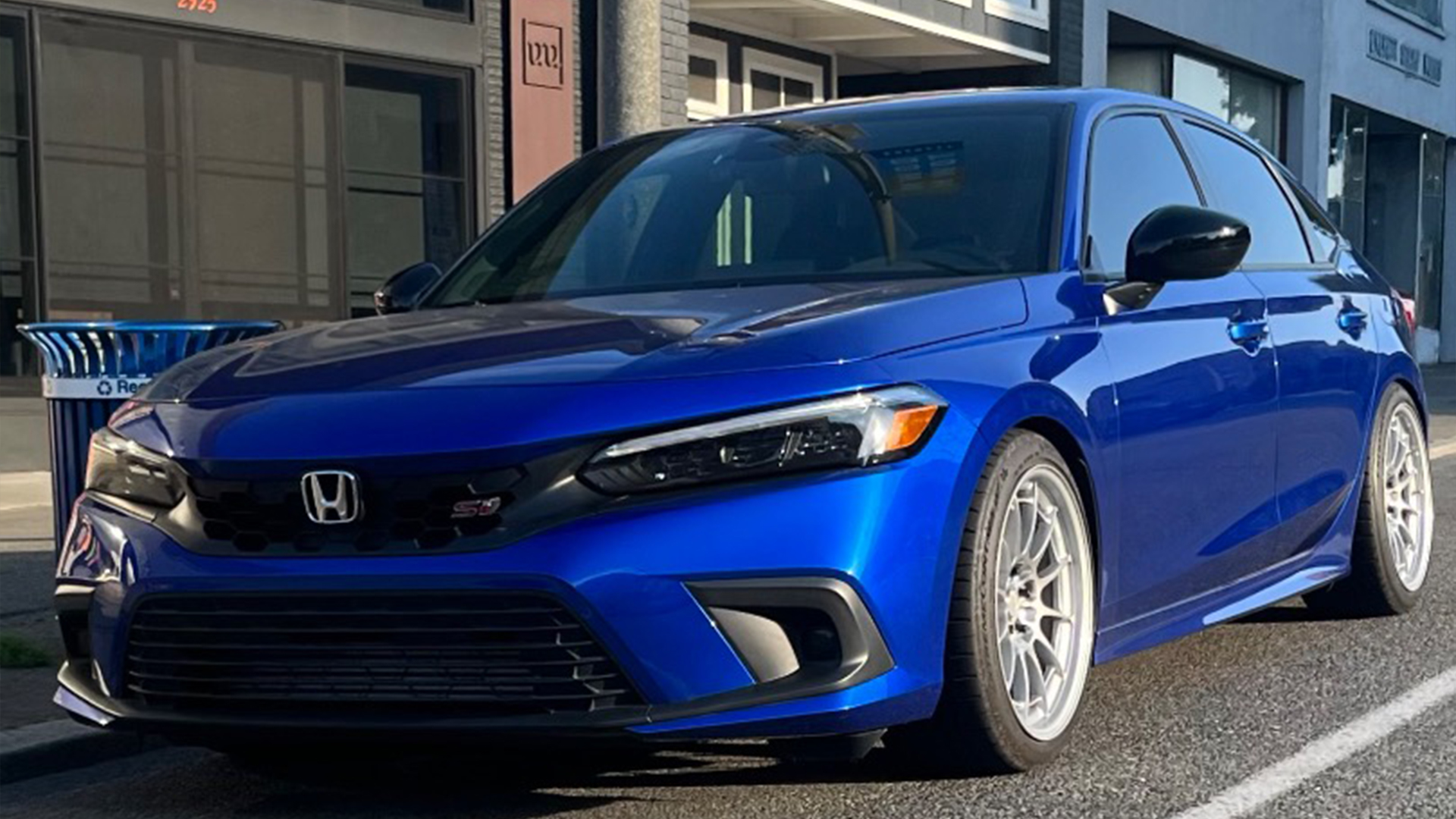
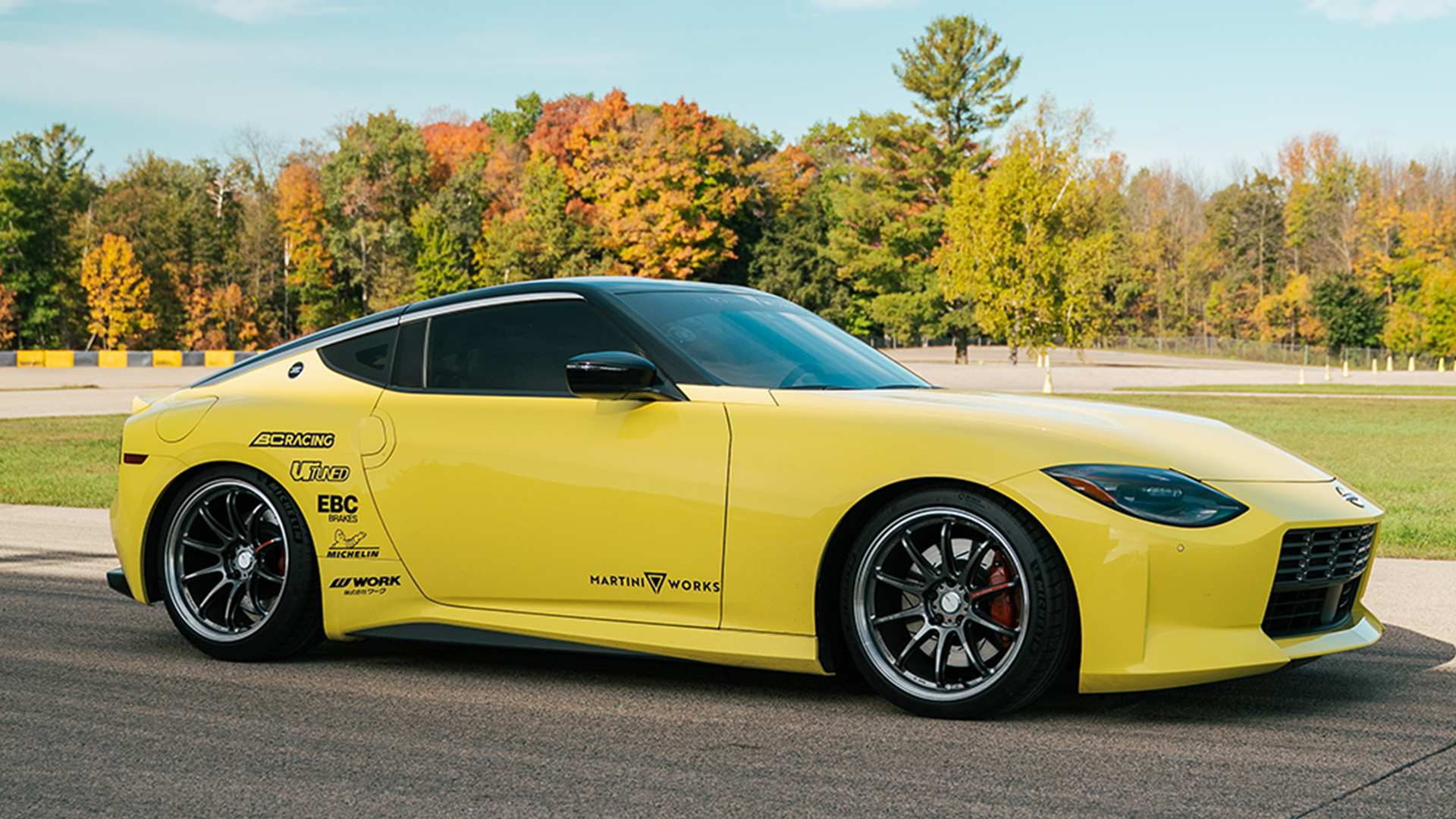
Nope. This is probably the biggest misconception surrounding the term. A Honda Civic, Toyota Corolla, Nissan Z, or Subaru WRX isn't automatically JDM just because the manufacturer is Japanese. If that specific car was built and sold for the U.S. market, it's a U.S.-market car.
Think of JDM as a description of where the vehicle or part was intended to be sold, not where the manufacturer happens to be headquartered. That's why you'll sometimes hear enthusiasts describe a car as "JDM-inspired" instead of simply calling it JDM. Those are two very different things.
What Makes a Car Actually JDM?
For a vehicle to legitimately be considered JDM, it generally needs to have been produced for the Japanese domestic market. That can mean a car you couldn't originally buy through a U.S. dealership, or a specific Japanese-market version of a model that was also sold elsewhere. And this is where things get really interesting.
Japanese manufacturers have historically offered different engines, trims, transmissions, body styles, and features depending on the market. Sometimes the Japanese-market version of a car was considerably different from what we received in the United States. That's a big part of why JDM cars became so desirable. You're not just getting a different badge. You're getting a version of the car that was never originally intended for your market.
JDM vs. Japanese Cars
This is where car culture gets a little messy.
- A Japanese car describes the origin of the manufacturer or vehicle.
- A JDM car describes the intended market.
- A JDM-style build describes a car that's been modified to look or feel inspired by Japanese domestic-market cars.
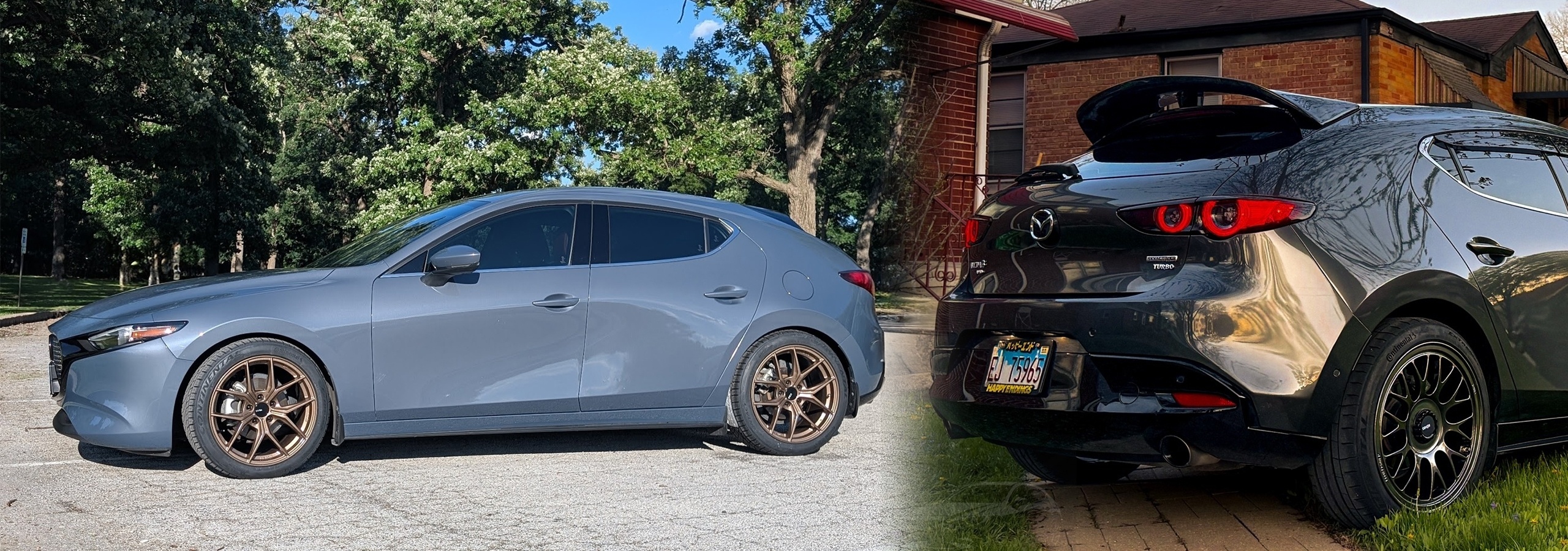
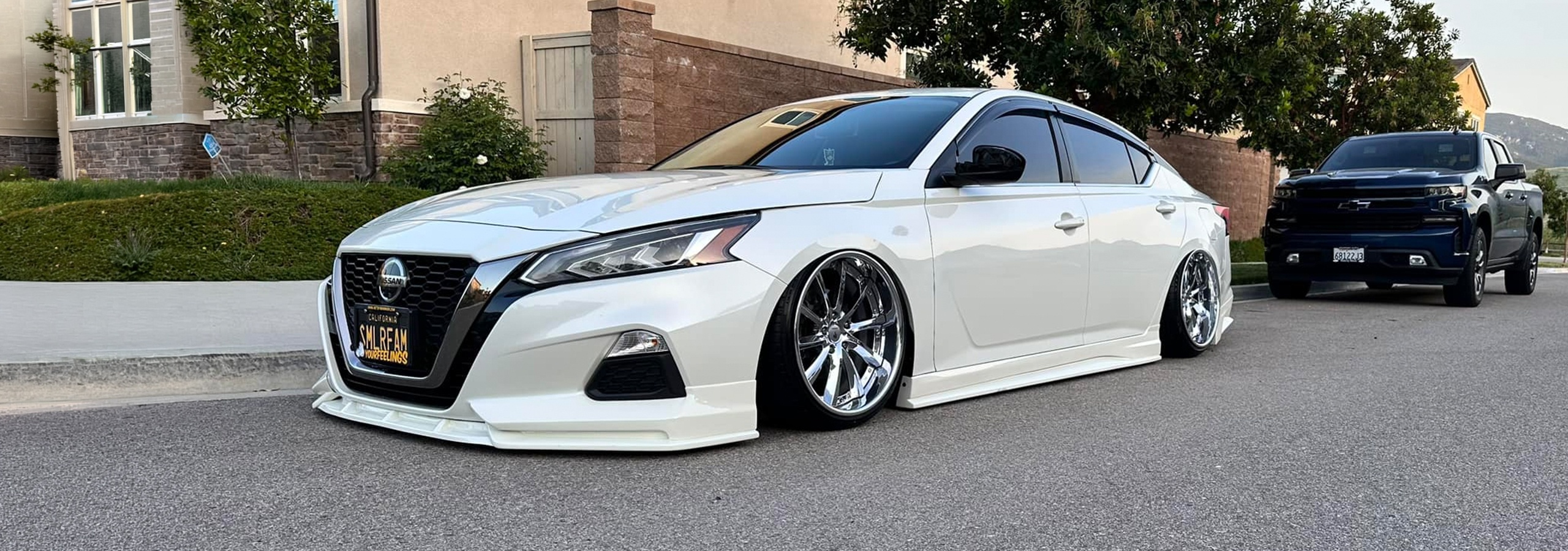
Those terms get mixed together constantly, but they're not interchangeable. For example, putting Japanese wheels, a Japanese-market grille, and a set of JDM-inspired aero parts on a U.S.-spec Civic doesn't magically turn it into a JDM car. It makes it a U.S.-market Civic with a JDM-inspired build.
Why Does JDM Matter So Much to Enthusiasts?
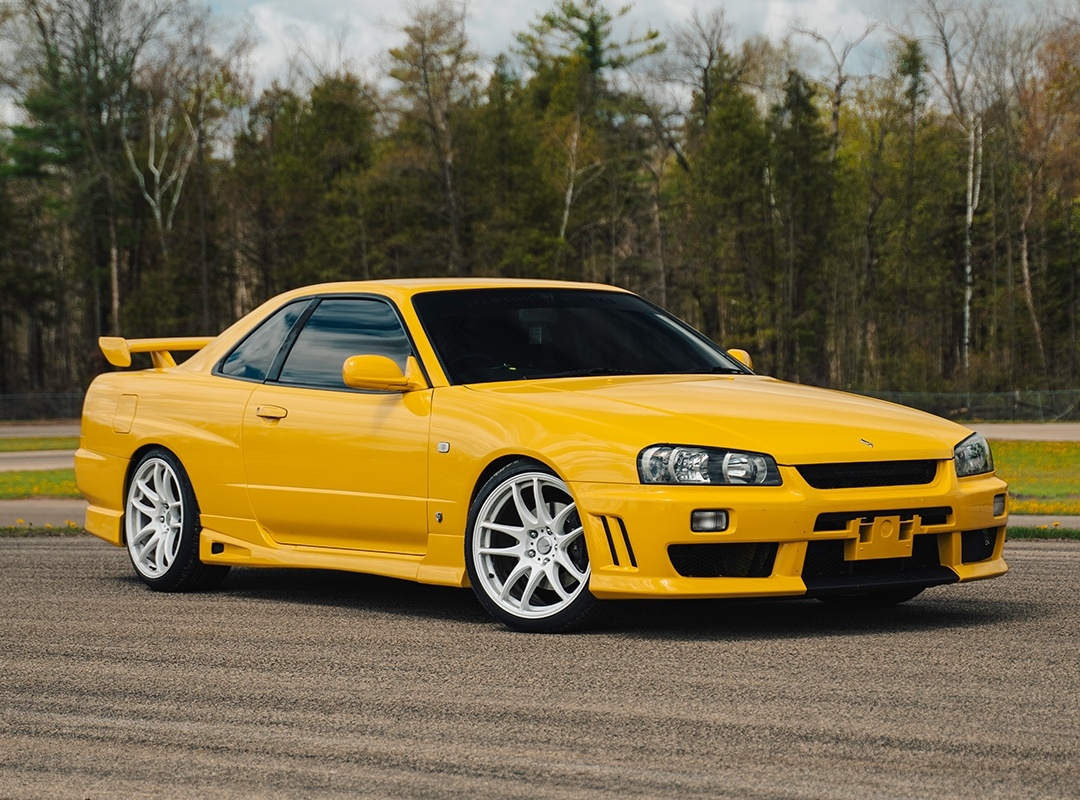
The JDM scene became popular for a reason. Japanese manufacturers produced some seriously interesting cars, particularly during the golden era of Japanese performance. Cars like the Nissan Skyline GT-R, Toyota Supra, Mazda RX-7, Mitsubishi Lancer Evolution, and Honda Integra Type R became legendary among enthusiasts around the world.
But it wasn't just about horsepower. JDM culture was built around engineering, lightweight platforms, clever technology, motorsports, and cars that often felt completely different from what was available in other markets.
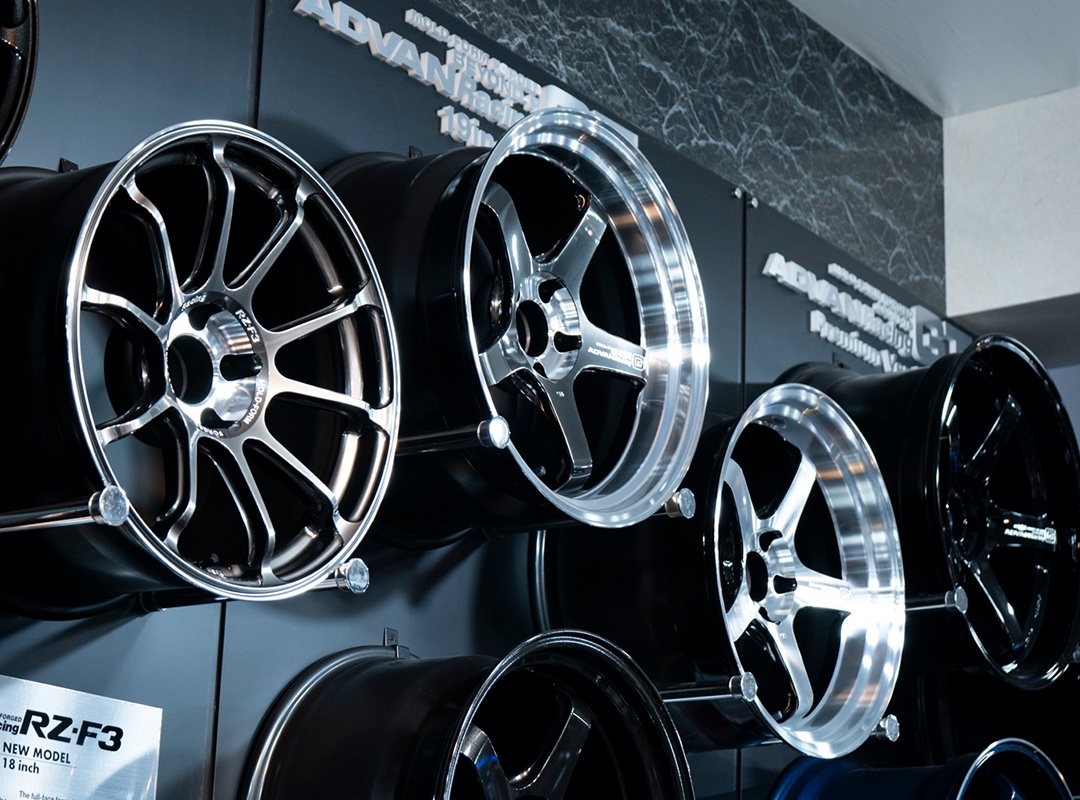
Then there's the styling. The Japanese aftermarket scene developed its own visual language, from aggressive aero and lightweight wheels to subtle OEM upgrades and motorsport-inspired modifications. Over time, those influences spread far beyond Japan.
What About JDM Parts?
This is where the term is probably used most loosely. A JDM part should technically mean a part designed or sold for the Japanese domestic market. That could be a Japanese-market bumper, engine component, interior piece, lighting assembly, or factory accessory that wasn't originally offered in another market.
But you'll also see companies use "JDM" as a marketing term for products that simply have Japanese-inspired styling. Again, there's nothing inherently wrong with that. It's just worth knowing the difference. A genuine Japanese-market OEM part and a new aftermarket part inspired by Japanese styling aren't the same thing.
JDM Doesn't Automatically Mean Better
Here's another misconception worth clearing up. JDM doesn't automatically mean superior. A Japanese-market part isn't necessarily lighter, stronger, faster, or better engineered than the equivalent part sold elsewhere. Sometimes it's different simply because it was designed around different regulations, customer preferences, or market requirements.
The appeal comes from the uniqueness and the connection to Japanese automotive culture, not some magical performance advantage attached to the letters JDM. And that's an important distinction when you're shopping for parts.
Final Thoughts
So, what does JDM actually mean?
Japanese Domestic Market.
It refers to vehicles and parts specifically produced or intended for sale in Japan. A Japanese manufacturer doesn't automatically make something JDM, and a Japanese-inspired modification doesn't technically make a car JDM either. But that doesn't mean you have to be the JDM police at your next car meet.
At the end of the day, the culture surrounding JDM is about appreciation for Japanese automotive design, engineering, tuning, and the unique cars and parts that came out of that market. Whether you're building an authentic Japanese-market car, putting together a JDM-inspired street build, or just throwing a set of Japanese wheels on your daily because they look sick, there's room for all of it.
Just know what those three letters actually mean.