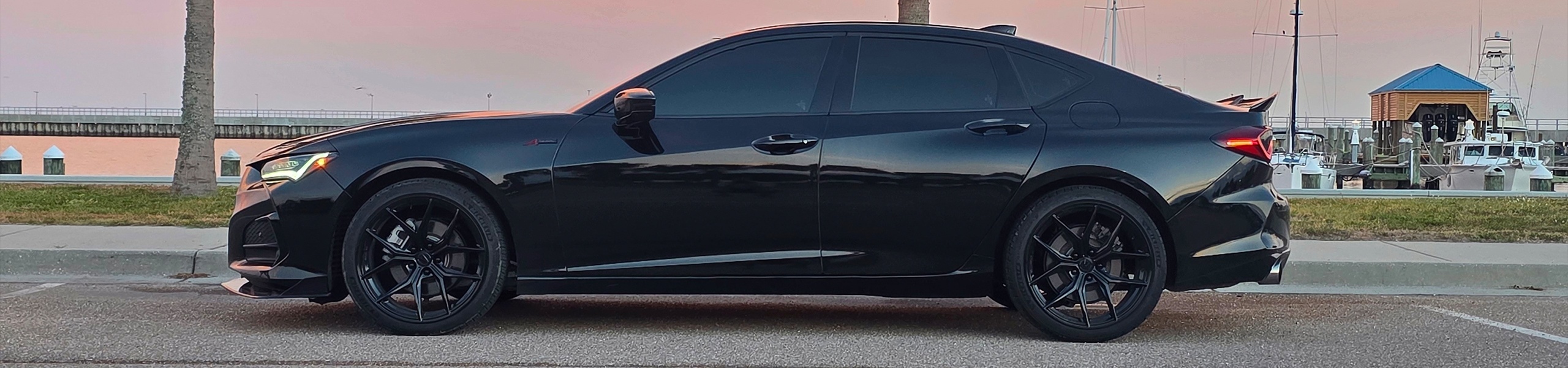
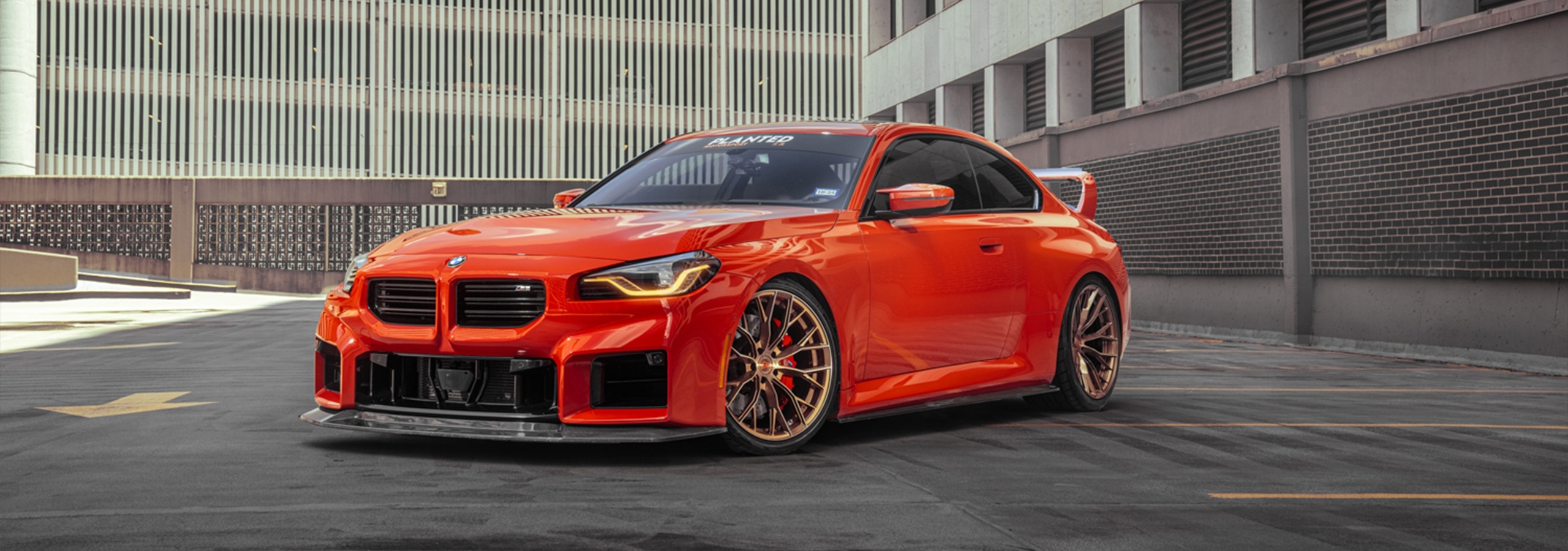
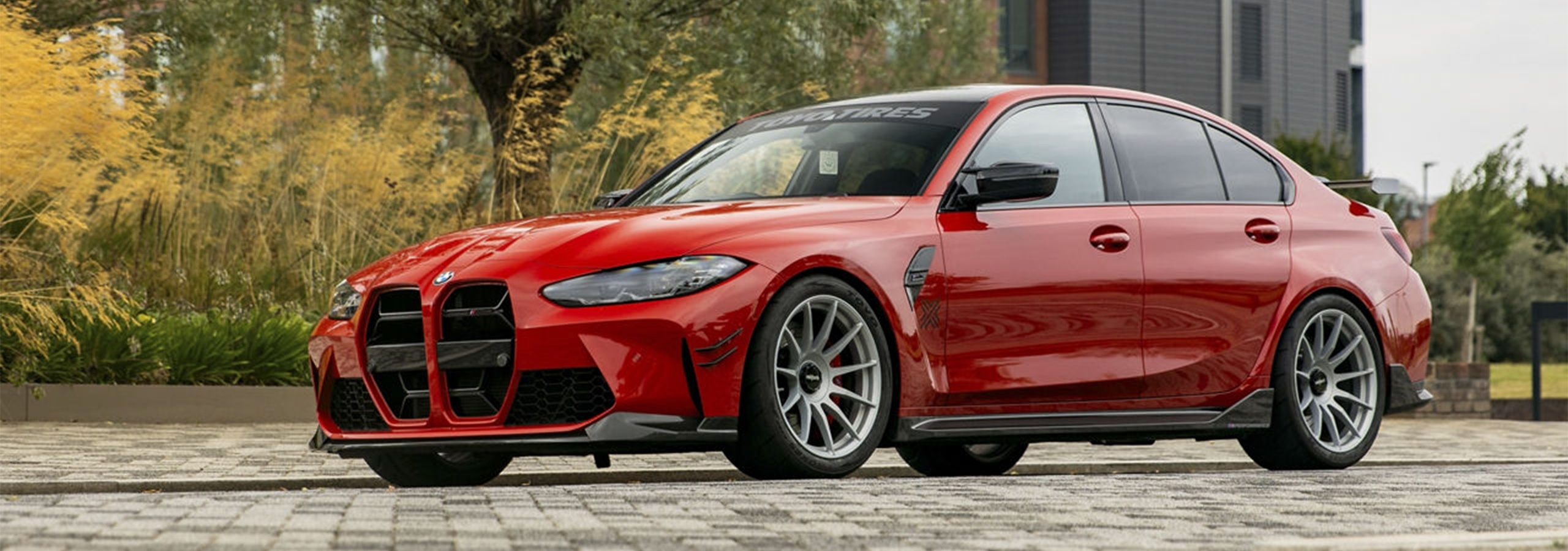
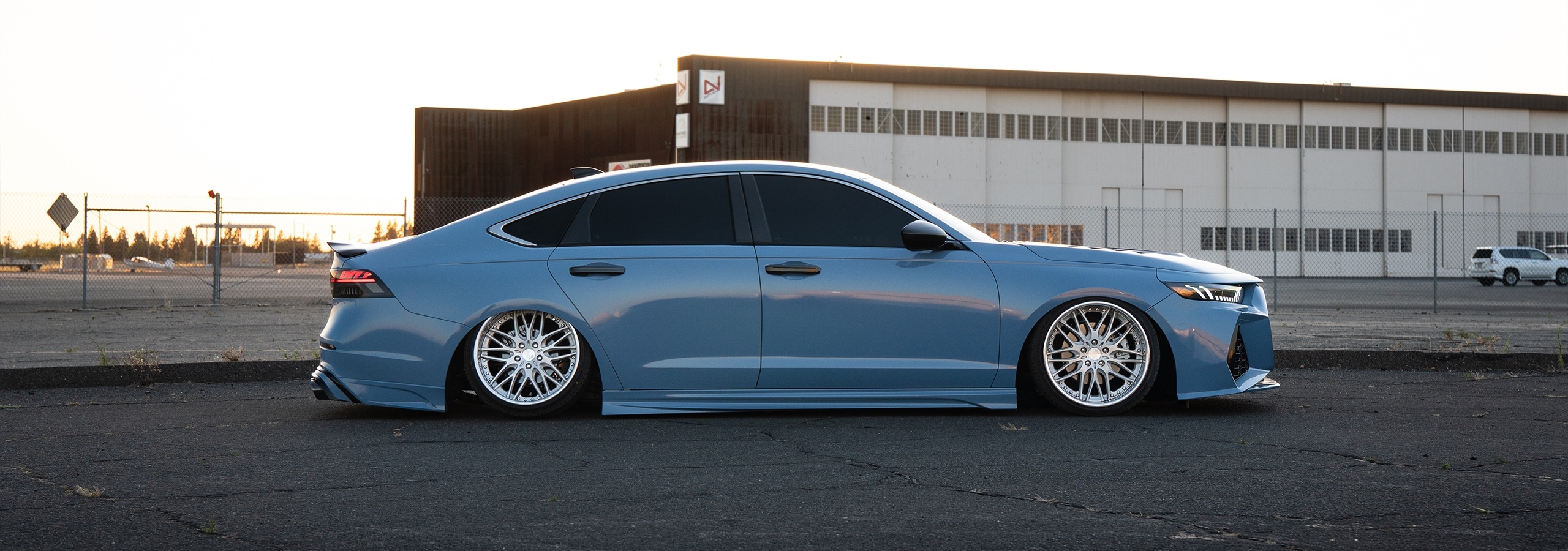
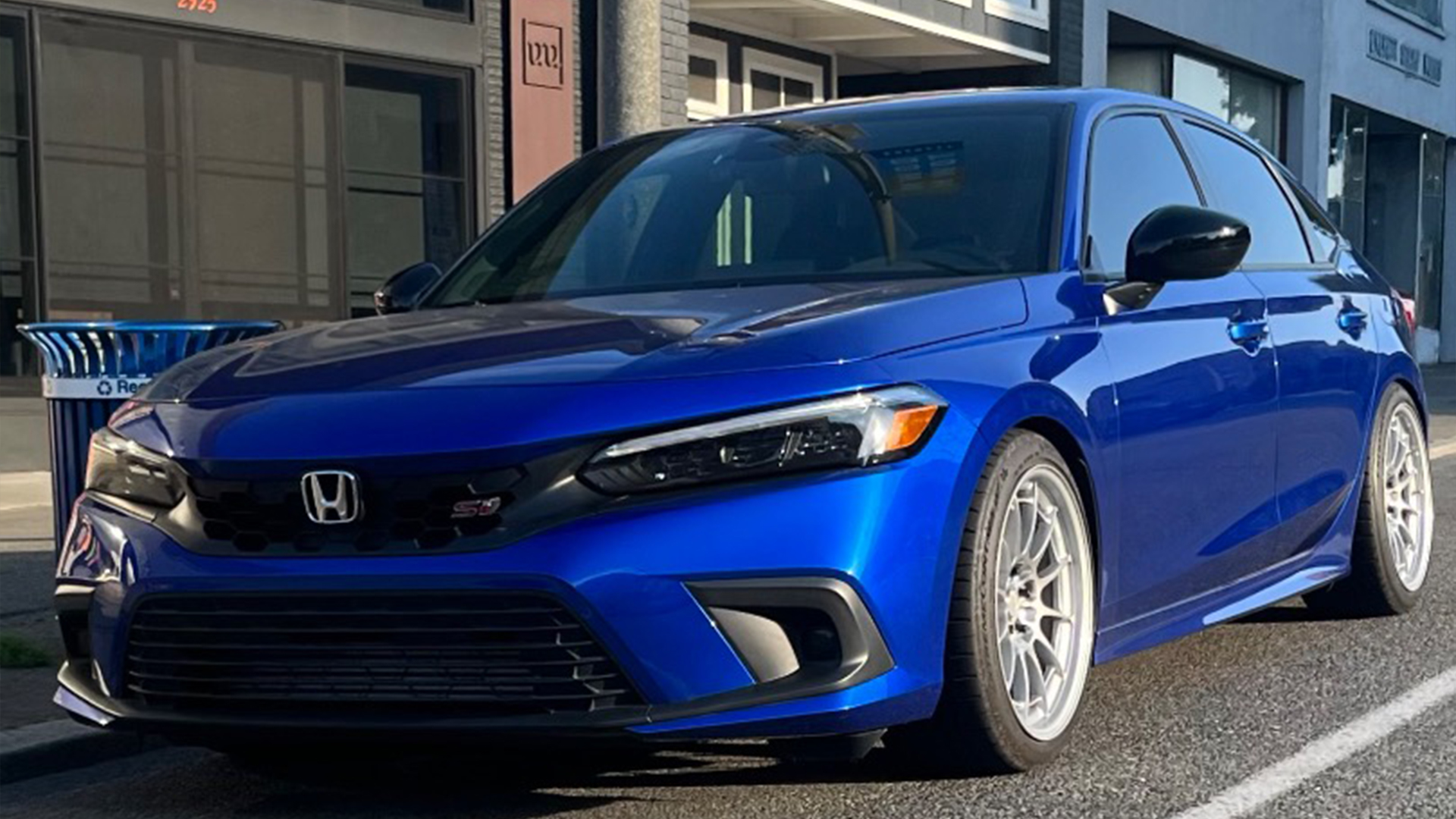
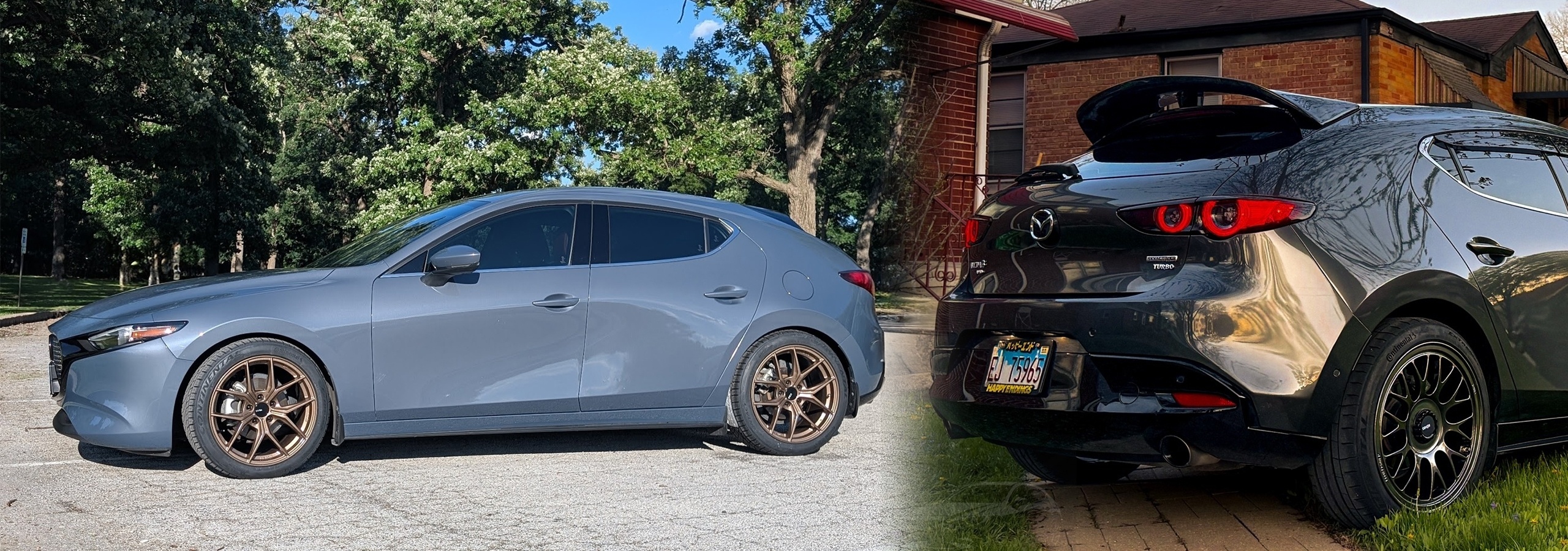
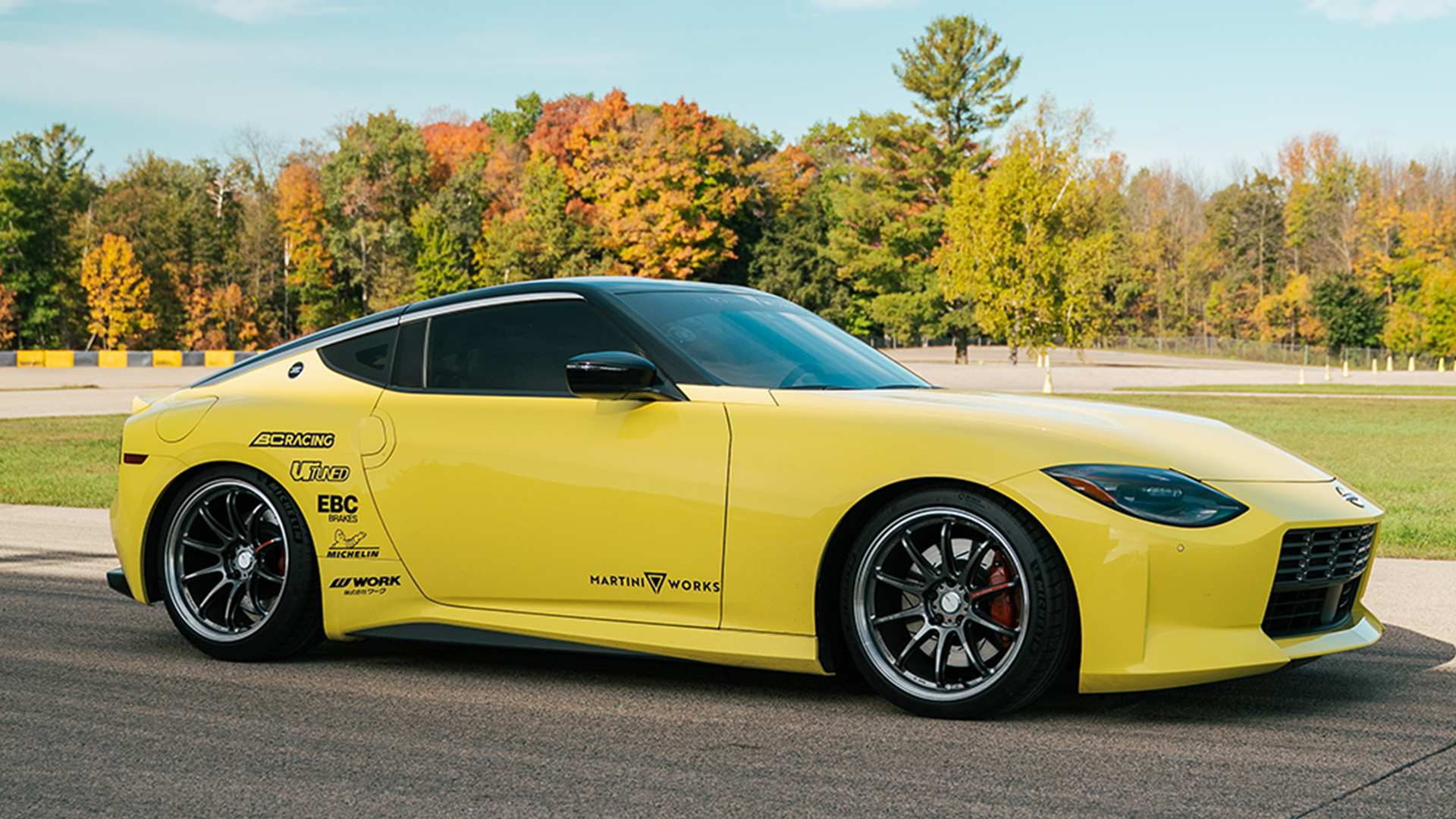
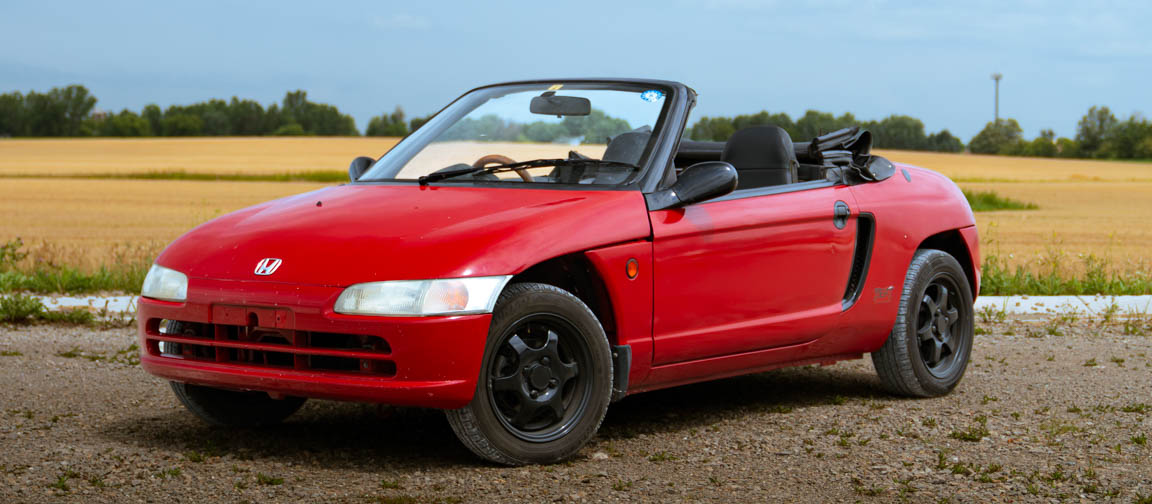
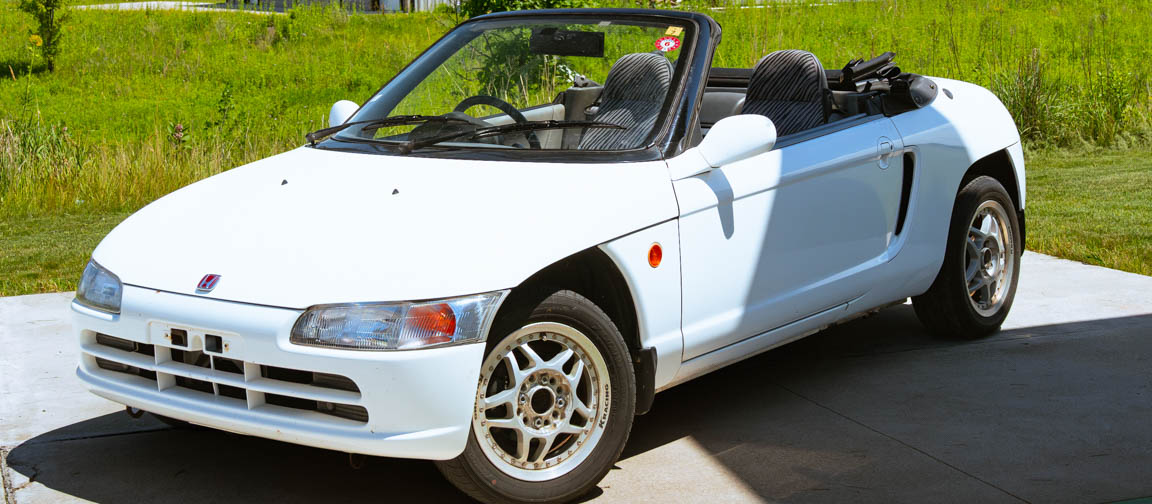
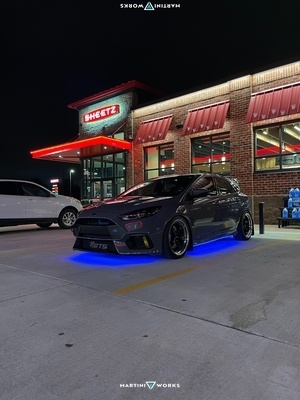
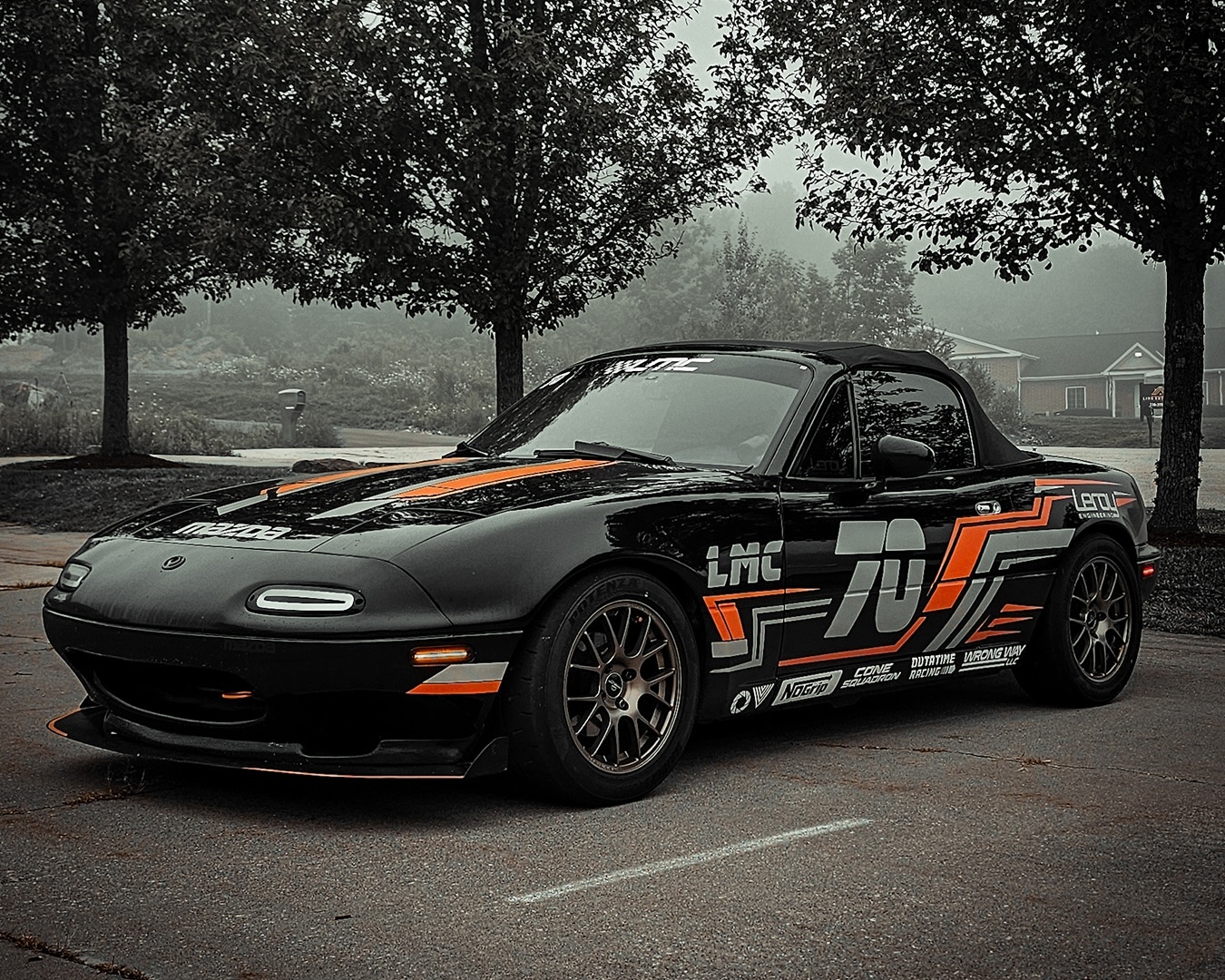
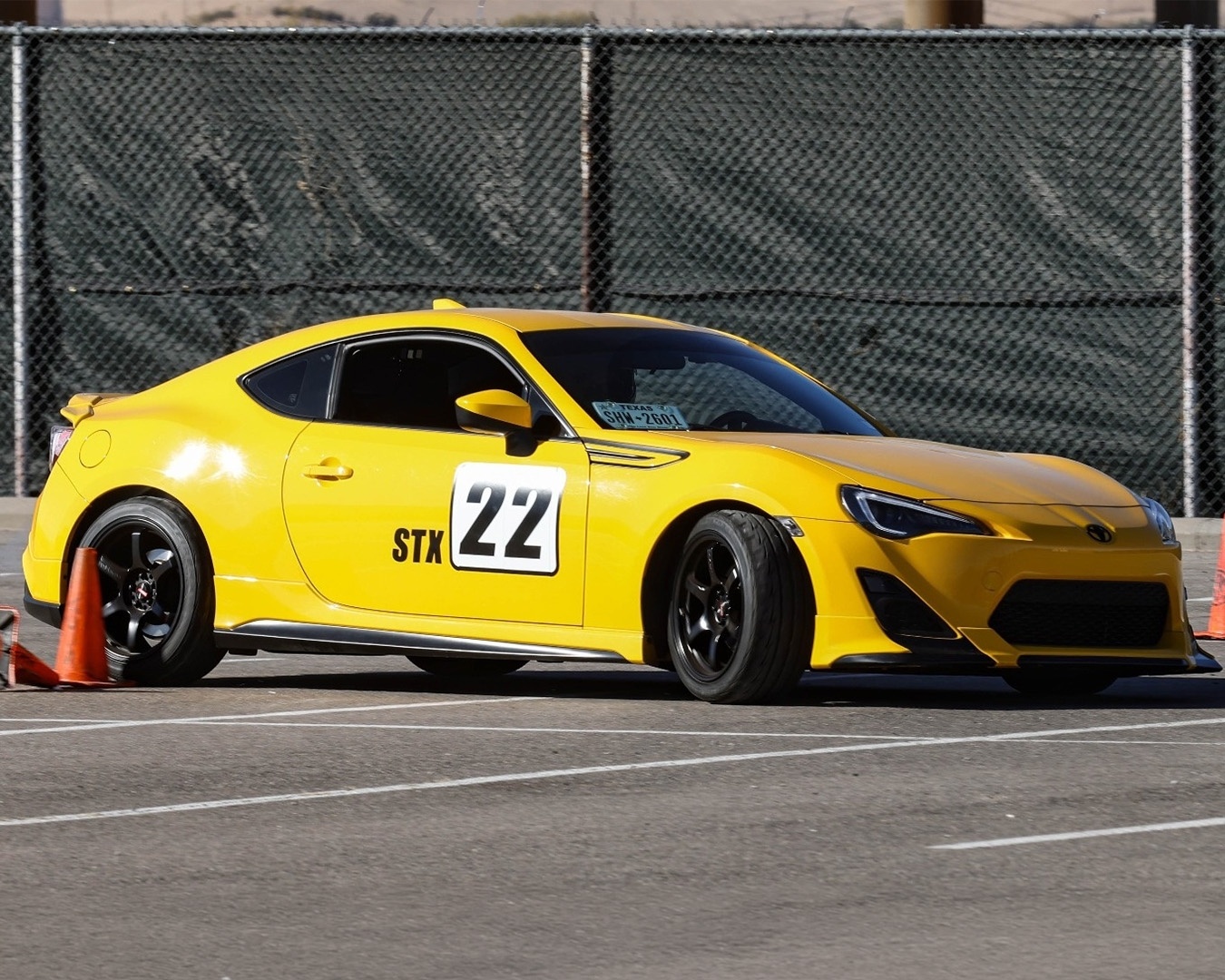
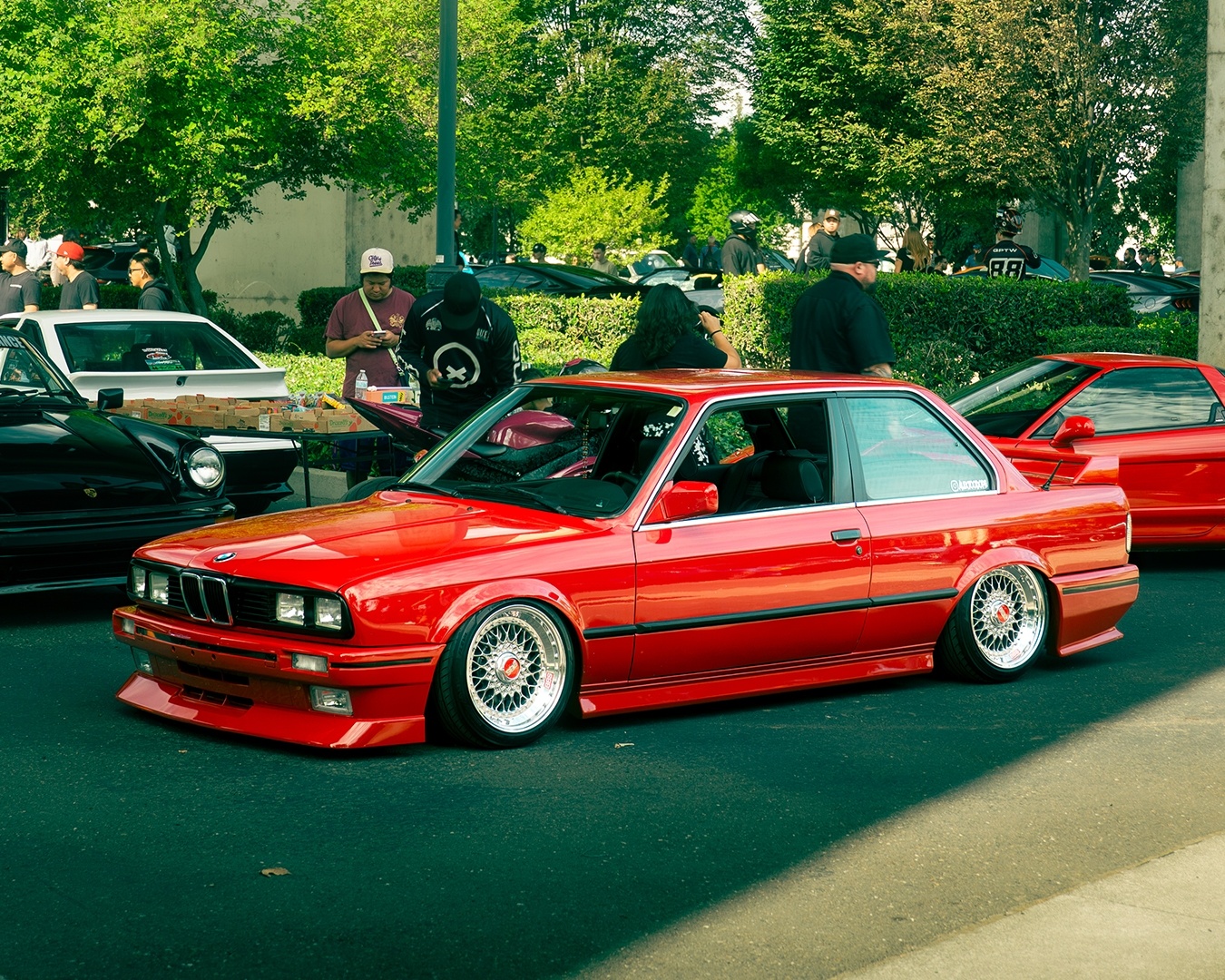
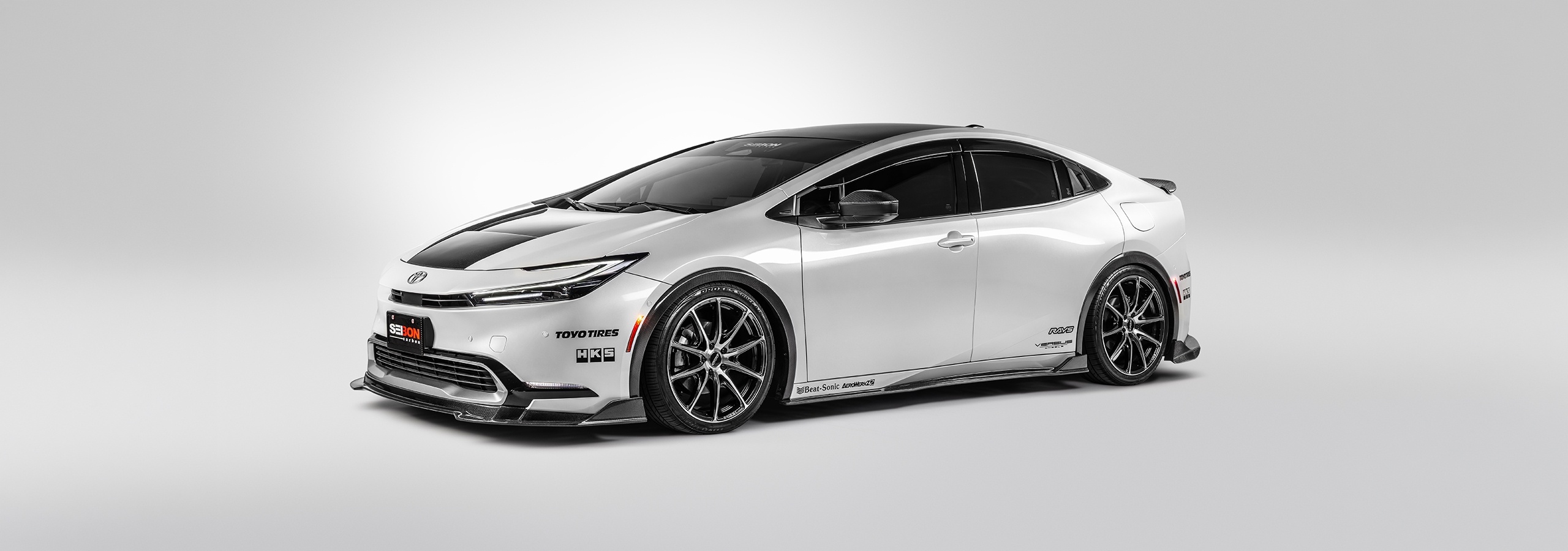
There’s no single right way to modify a car and that’s probably one of the best things about the car community. You can give ten enthusiasts the same car and you'll probably end up with ten completely different builds. One person wants a slammed show car, another wants to chase lap times, someone else just wants a little more power for the commute, and there's always that one person who somehow turns their daily driver into a full-blown project. The best part? All of them are car enthusiasts.
Whether you're modifying your car for performance, style, comfort, or simply because you want it to feel more like yours, there are plenty of different directions you can take a build. The trick is figuring out what you actually want out of the car before you start throwing parts at it.
Performance Builds
For some enthusiasts, the goal is simple: make the car faster. A performance build can take a lot of different forms depending on the platform and budget. You might start with something as simple as better tires, upgraded brakes, and suspension, or go much further with engine modifications, forced induction, cooling upgrades, and drivetrain work.
The nice thing about performance builds is that you don't necessarily need massive horsepower numbers to make a car more fun. A set of quality coilovers, a properly matched set of tires, and better brake pads can completely change how a car feels without adding a single pony. Suddenly the car turns in harder, stops better, and feels more connected to the road.
Handling-Focused Builds
Not every enthusiast cares about going faster in a straight line. A handling build focuses on making the car more capable through corners. This is where things like sway bars, control arms, strut braces, bushings, coilovers, and performance tires start making a huge difference. The goal isn't necessarily to make the suspension as stiff as possible. It's about getting the car to respond the way you want it to.
A well-built handling car can feel dramatically faster without actually making more power. You can carry more speed into corners, brake later, and have a better idea of what the car is doing underneath you. It's also one of those modifications you can appreciate every time you drive.
Stance and Show Builds
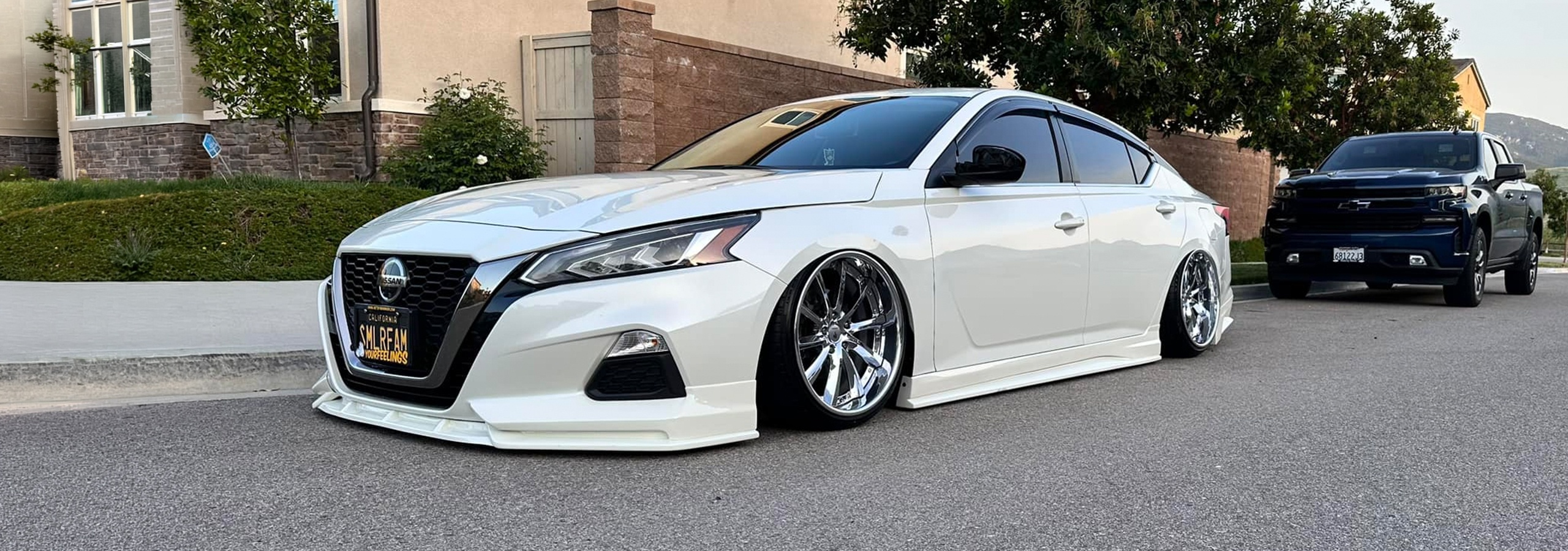
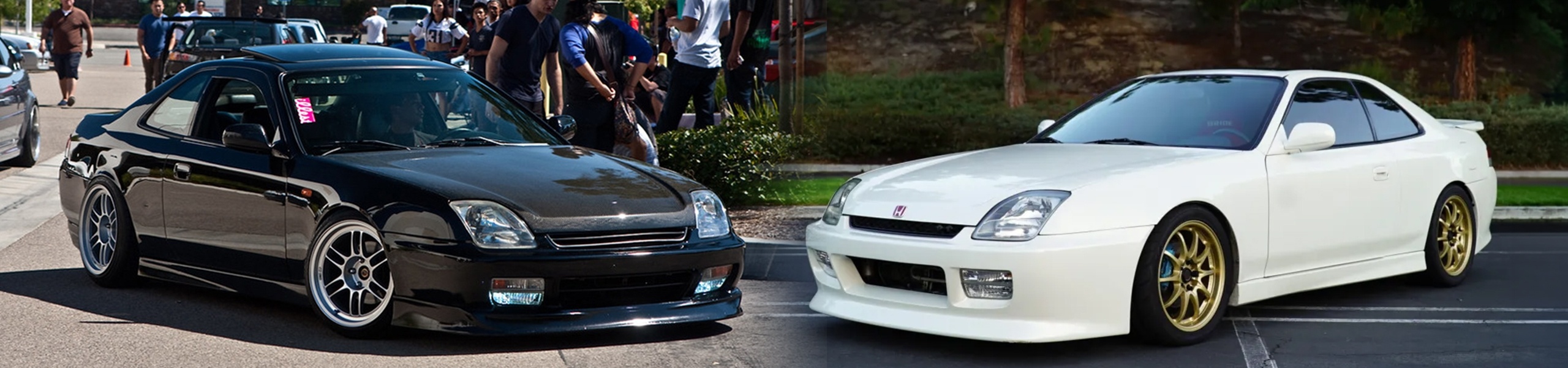
Then there are the enthusiasts who believe a car should look as good parked as it does moving. A stance build typically focuses heavily on ride height, wheel fitment, tire sizing, and overall proportions. This might mean lowering the car on coilovers, installing air suspension, fitting wider wheels, or dialing in the perfect amount of camber to get the exact look you're after.
And while the internet loves to argue about what constitutes "good fitment," that's really the beauty of it. Your car doesn't have to look like everyone else's. Some builds are subtle and clean. Others are slammed to the ground with massive wheels and aggressive fitment. As long as you like the finished product, that's really all that matters.
OEM+ Builds
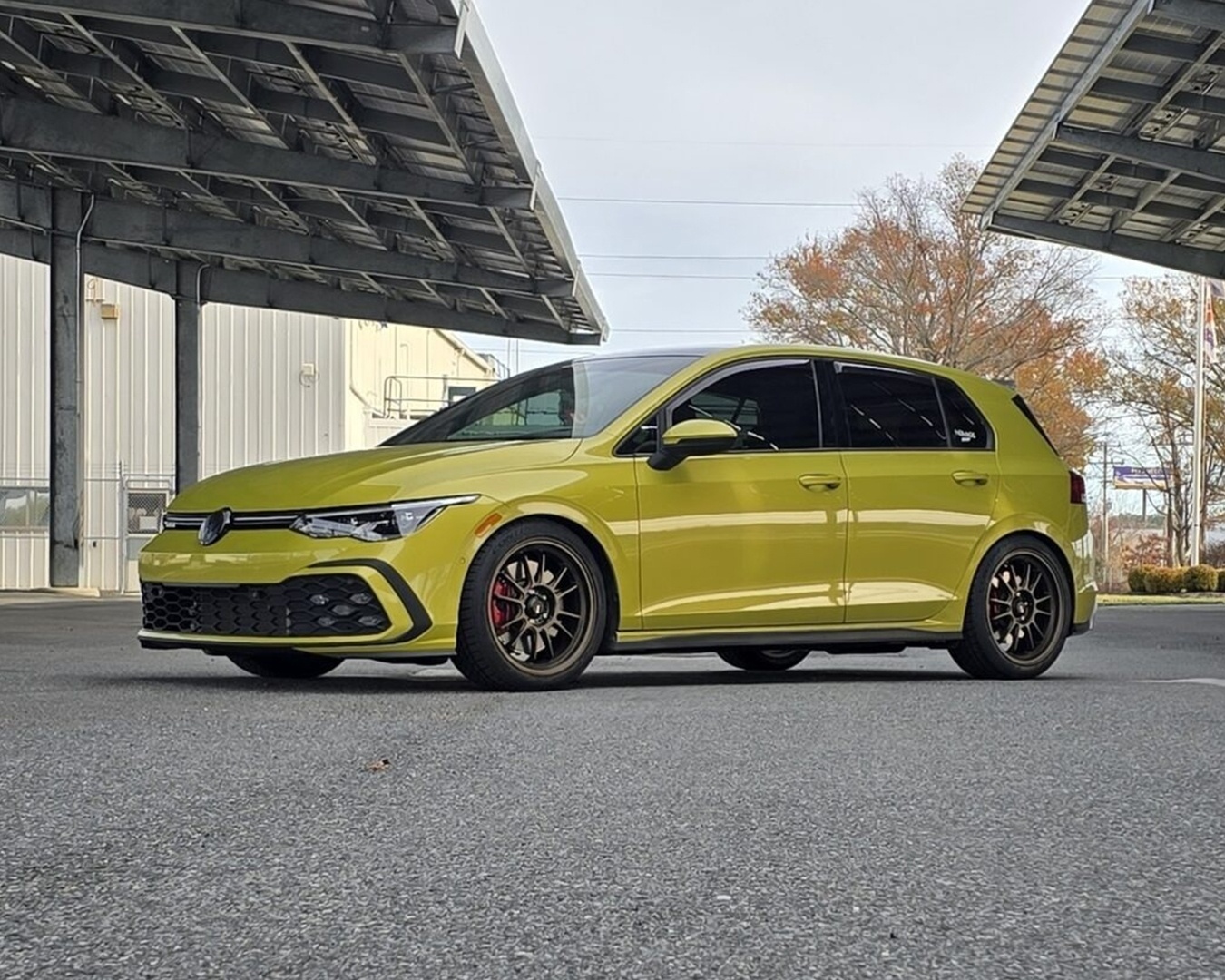
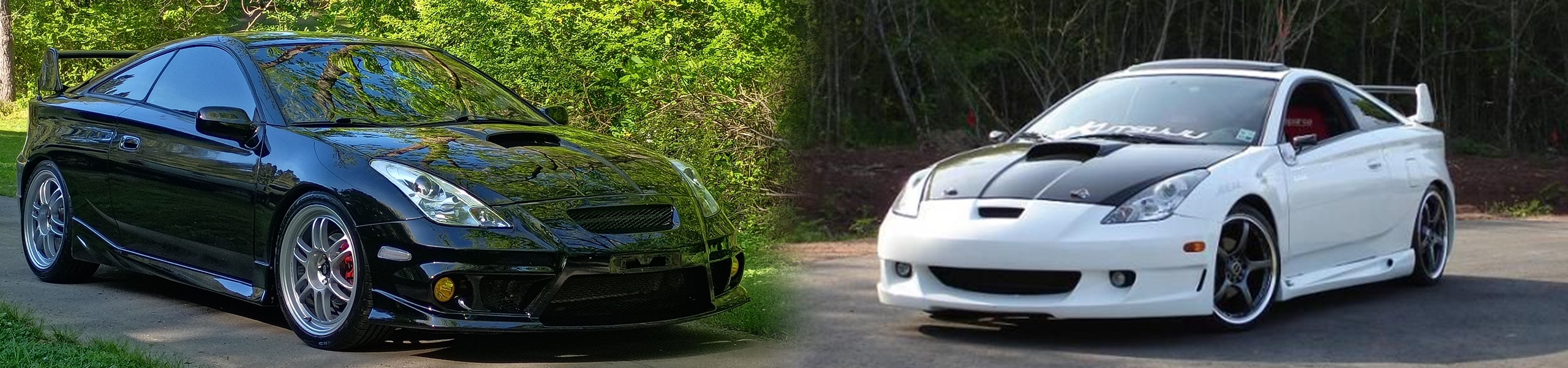
If you're not interested in turning your car into something completely different, OEM+ might be your style. The idea here is pretty simple: make the car look and perform like the manufacturer could have built it that way. Think subtle lowering springs or coilovers, better wheels, slightly more aggressive tires, upgraded lighting, a tasteful exhaust, and maybe some factory-style aero.
Nothing needs to scream for attention. The goal is to take what already works and enhance it. OEM+ builds are especially fun because they tend to age well. You're not necessarily chasing whatever modification happens to be trending this year. You're just making the car feel like the best possible version of itself.
Engine and Power Builds
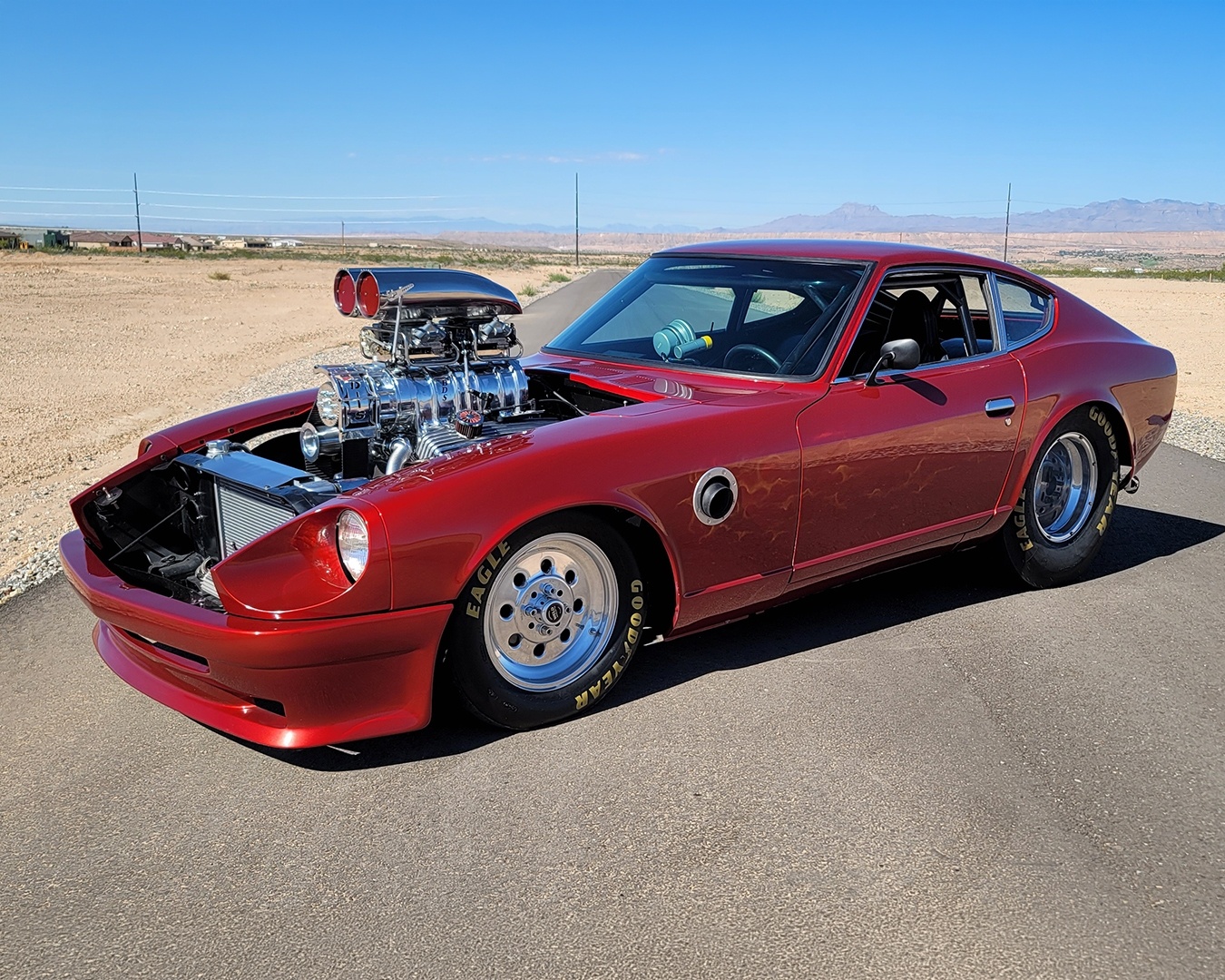
Of course, we can't talk about modifying cars without talking about horsepower. A power build can start small with an intake and exhaust and eventually turn into an entirely different engine setup. Depending on the platform, enthusiasts might add a turbo, supercharger, upgraded fuel system, intercooler, engine management, or even build the engine itself. But there's something important to remember here: adding power is only part of the equation.
If you make significantly more ponies, you need to think about how you're going to put that power down and how you're going to stop the car afterward. Tires, brakes, cooling, drivetrain components, and suspension all become increasingly important as power goes up. Making the number is fun but actually making the car work with that number is where things get interesting.
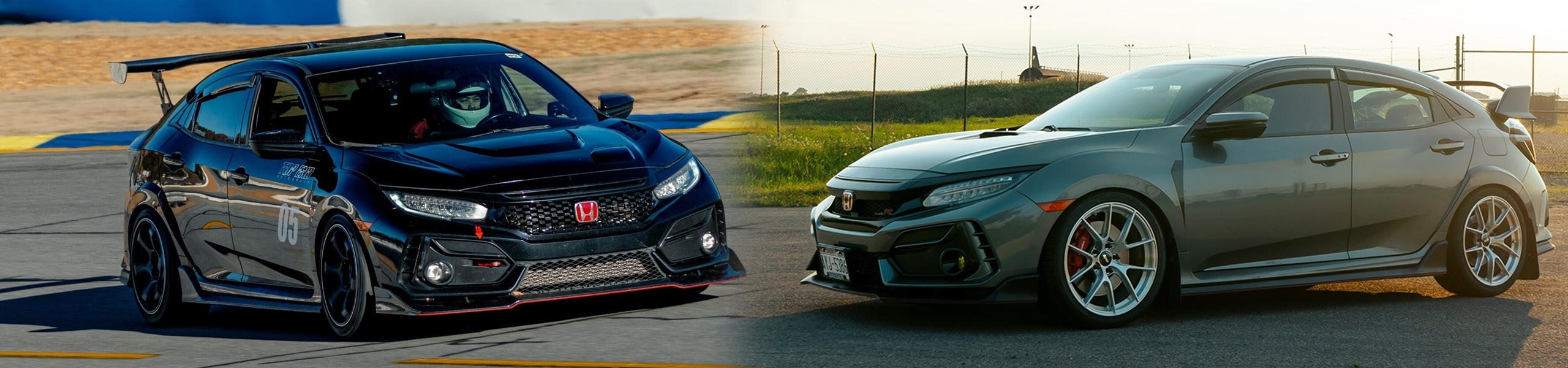
Track Builds
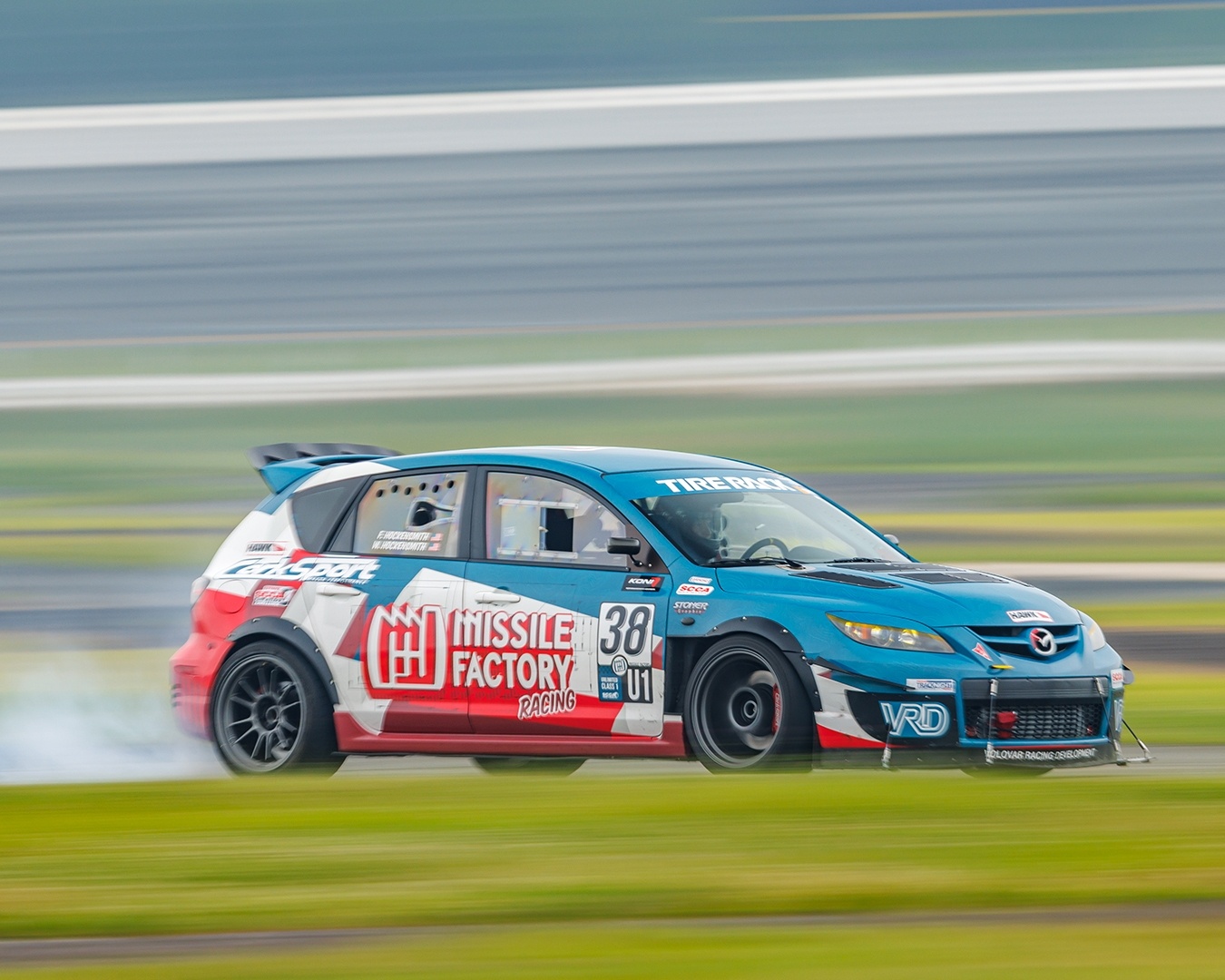
Now this is where things can get serious. A track build is designed around performance rather than comfort or appearance. Weight reduction, brake cooling, suspension geometry, sticky tires, aerodynamic upgrades, and engine reliability all become much more important. And suddenly that heated seat you loved on your daily commute doesn't seem quite as important.
Track-focused builds are often where enthusiasts start learning that modifying a car isn't just about adding parts. Every modification affects something else. More grip can expose weaknesses elsewhere. More power creates additional heat. Stiffer suspension can improve response but sacrifice comfort. The goal becomes creating a package where everything works together.
Off-Road Builds
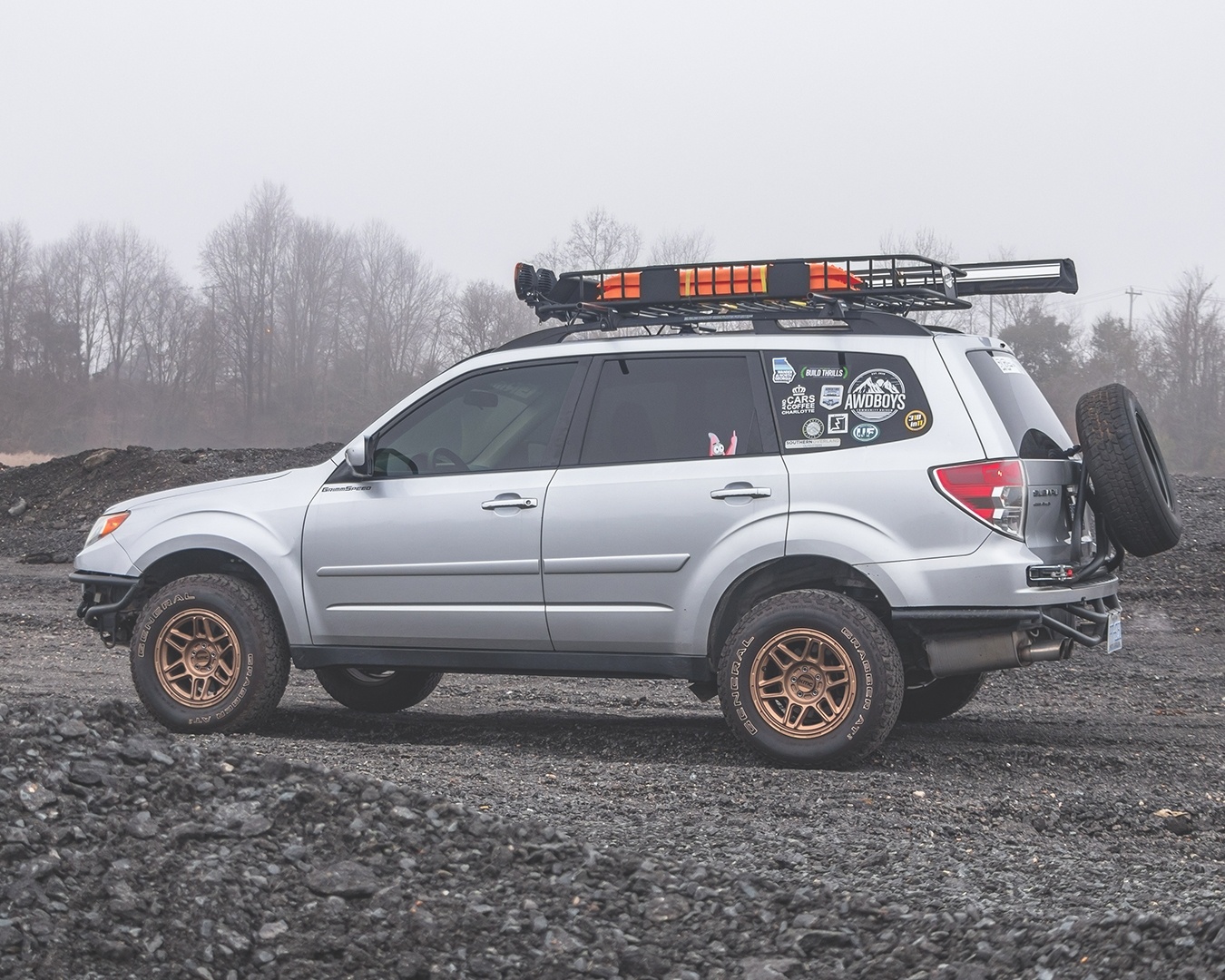
Not every car needs to spend its life on pavement. For off-road builds, the priorities completely change. Ground clearance, suspension travel, tire selection, underbody protection, recovery equipment, and drivetrain capability become much more important than lowering the car or squeezing the biggest wheels possible into the fenders.
This is where you start seeing lift kits, all-terrain or mud-terrain tires, skid plates, upgraded shocks, roof racks, lighting, and recovery gear. And just like a track build, the best off-road builds aren't necessarily the ones with the longest parts list. They're the ones where every modification serves a purpose.
Audio and Interior Builds
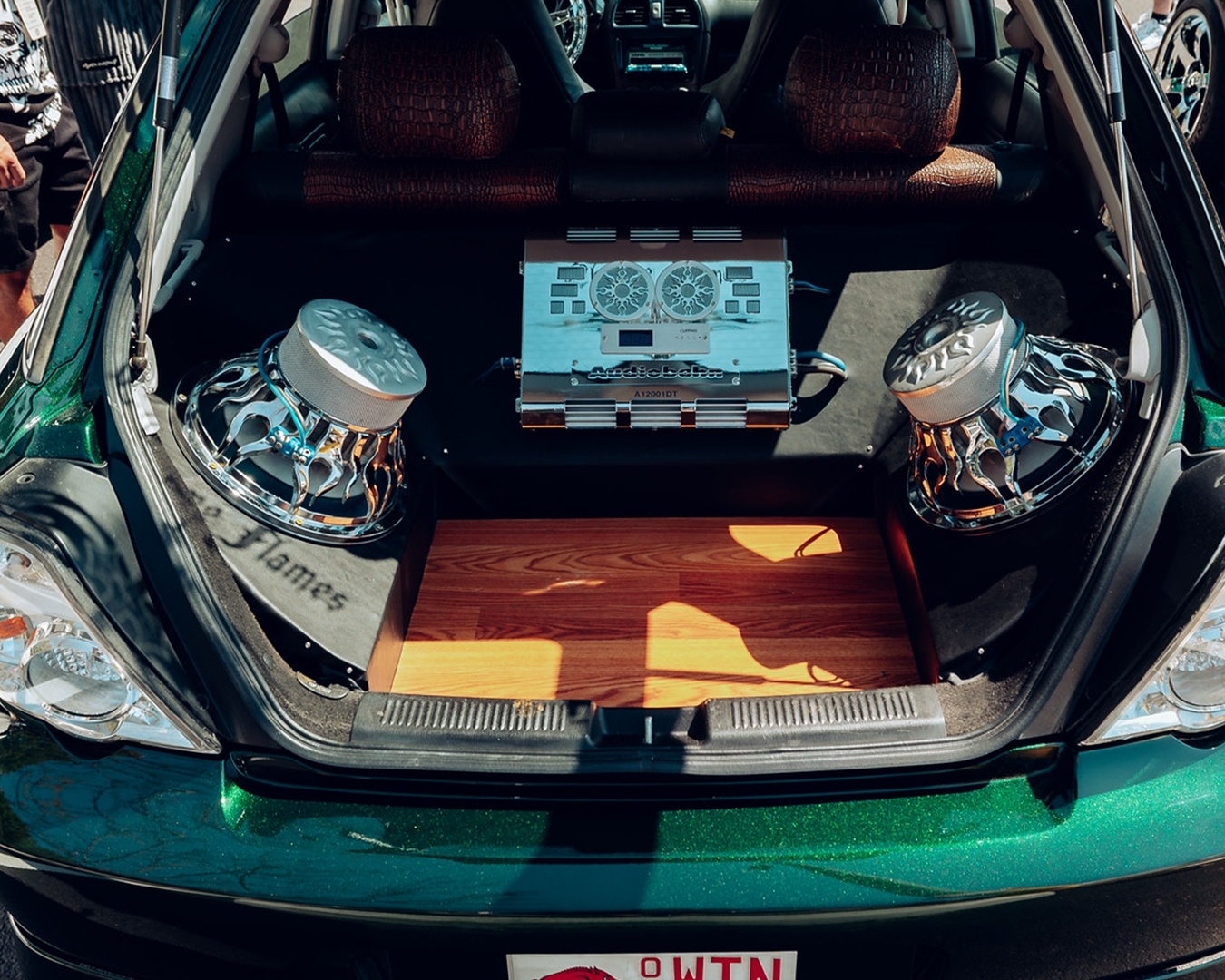
Not every modification has to make the car faster. For some enthusiasts, the inside of the car is where the fun is. A car audio build can range from simply upgrading the factory speakers to installing amplifiers, subwoofers, sound deadening, and a completely custom system. Others might focus more on the interior itself with upgraded seats, steering wheels, gauges, lighting, and custom upholstery.
These modifications can make a huge difference because they're things you experience every time you're behind the wheel. After all, if you're spending hours in your car every week, why not make the inside somewhere you actually enjoy being?
Final Thoughts
Modifying a car is ultimately about making it yours. You don't need the most expensive parts. You don't need the biggest turbo, the widest wheels, or the most aggressive suspension setup. And you definitely don't need to build your car according to whatever the internet says is currently cool.
Start with what you actually want from the car. If you want performance, build for performance. If you want stance, build for stance. If you want a comfortable daily that looks better than stock, go OEM+. If you want to chase lap times, start looking at what the car actually needs on track.
The best modification is the one that makes you want to drive your car more. Because at the end of the day, that's why we modify them in the first place. Need inspiration for your build? Check out the MartiniWorks Build Threads!