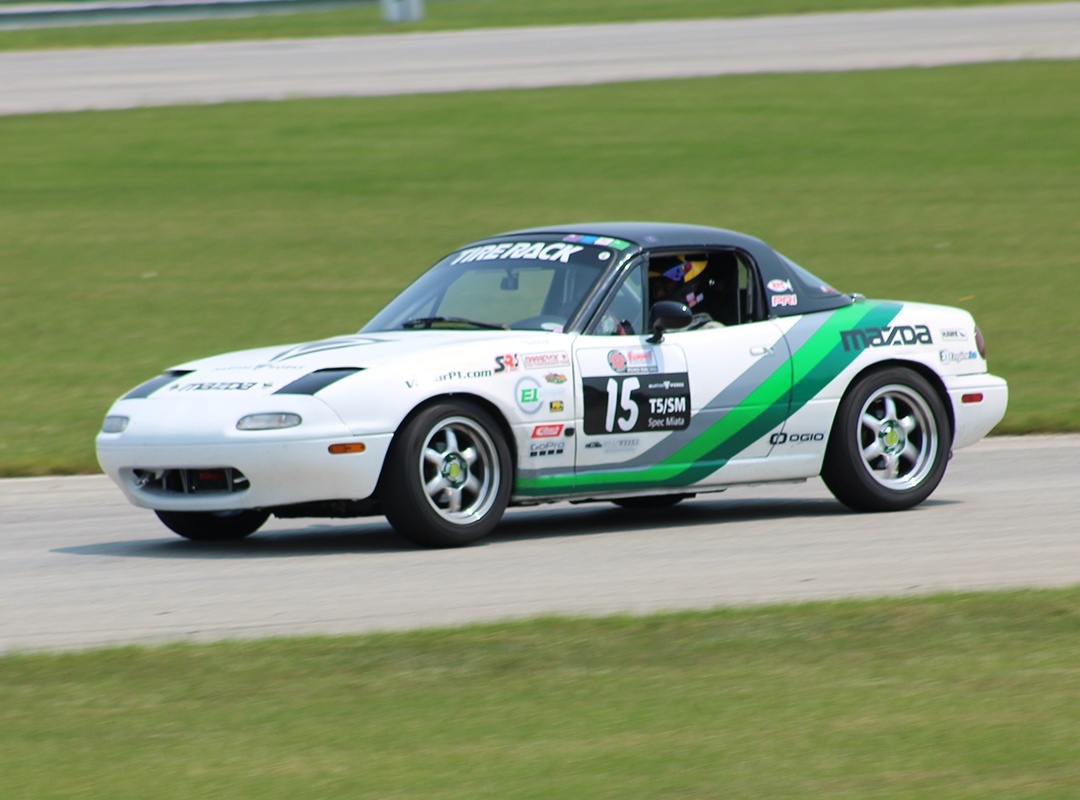
The NA Mazda Miata might be one of the most important enthusiast cars ever built. Lightweight, rear-wheel drive, naturally aspirated, and equipped with a manual transmission. That’s like the perfect recipe. And probably why Mazda has continued to build the same car for the last 30 years. The original Miata took everything people loved about old-school sports cars and made it reliable enough to actually drive every day.
The 1.6L and 1.8L four-cylinder engines aren't exactly powerhouses, but everyone knows that’s not why you buy a Miata. You buy a Miata because it weighs next to nothing, has double-wishbone suspension at all four corners, and has one of the biggest aftermarket communities in the world. But these cars are pushing 30 years old at this point (not that that’s a bad thing) and with time comes the need for some much needed upgrades.
So how do you build an NA Miata the right way? Let's get into it.
Getting Started: Ideal Order of Operations
The NA Miata responds to well thought out modifications more than almost any other car. Before you start throwing expensive parts at it, make sure the 30-year-old parts underneath the car are actually doing their job.
If you’re looking to build your Miata, here's the order we would recommend:
1. Maintenance and Reliability Mods: Timing belt, water pump, cooling system, fluids, bushings, ball joints, and general maintenance should come first.
2. Wheels and Tires: One of the biggest improvements you can make to the way an NA Miata drives.
3. Suspension upgrades: Fresh shocks, springs, or coilovers transform the way these cars handle.
4. Brakes: Better pads and fluid go a long way on a lightweight car.
5. Bolt-On Performance: Intake, exhaust, header, and ECU upgrades can wake up the naturally aspirated engine.
6. Forced Induction: If you really need more power, turbocharging or supercharging is where things get interesting.
The Most Important Mods: Maintenance and Reliability
I’m sorry I have to be the one to tell you this. But your NA Miata is old. Even if the odometer says 60,000 miles, the rubber, hoses, bushings, seals, and cooling components don't care how many miles are on the chassis. Before worrying about horsepower, make sure the car is mechanically healthy.
Timing Belt and Water Pump
The timing belt is one of the first things you should verify on an NA Miata. If you don't have documentation showing when the timing belt and water pump were replaced, just do them. It's cheap insurance compared to dealing with a broken timing belt or overheating engine.
Cooling System
The cooling system deserves special attention on these cars. Radiators, hoses, thermostats, and water pumps are all decades old on many surviving NAs. Owners regularly recommend refreshing the cooling system before modifying the engine or driving the car hard.
Suspension Bushings and Ball Joints
This is another area where age matters more than mileage. Worn control arm bushings, ball joints, tie rods, and sway bar end links can make a perfectly good Miata feel terrible. Before buying those expensive coilovers, make sure the suspension components you're bolting them to aren't completely cooked.
Rust
If you're shopping for an NA Miata, check for rust before anything else. Rust is one of the biggest problems these cars face (especially where we live) and serious rust can be extremely difficult and expensive to repair. Check the rocker panels, rear quarter areas, frame rails, floor, and suspension mounting points carefully. A clean chassis is worth more than a car with every performance modification in the catalog.
What Wheels And Tires Fit The NA Mazda Miata?
Once the maintenance is out of the way, it’s time to hop into the fun stuff. The Miata is incredibly sensitive to wheel weight and tire size, which means you’ll really want to watch both of these things when picking out your new wheels and tires.
The most common performance setup you'll see among NA owners is a lightweight 15-inch wheel with a 195 or 205 tire. 15x7 and 15x8 wheels are excellent performance sizes.
Recommended Wheel Sizing
Street Setup
Diameter: 15"
Width: 7" - 8"
Offset: +30 - +40
A very common enthusiast setup:
15x8 +35
Recommended Tire Size
195/50R15
205/50R15
For a street-driven car, 195 or 205-width tires are a great balance.
Recommended Wheels
The NA Miata looks best with lightweight wheels that don't overwhelm the tiny chassis.
1. Enkei RPF1 - A legendary lightweight option that has been used on Miatas for years.
2. Advanti Storm S1 - Lightweight and relatively inexpensive, making them a popular choice for performance builds. Miata.net owners frequently mention the Storm alongside the RPF1 and 6UL when discussing lightweight 15-inch wheels.
3. Konig Hypergram - A modern flow-formed option that keeps weight down while giving the NA a more aggressive look.
Recommended Tires
If you were to really invest into one area of a NA Miata, it would be here.
1. Continental ExtremeContact Sport 02 - Excellent street tire with strong dry and wet performance.
2. Falken Azenis RT615K+ - A much more aggressive option for autocross and spirited driving.
3. Yokohama ADVAN Fleva - A strong street-focused option for owners who want responsive handling without going full track tire.
For a more serious autocross or track setup, there are plenty of 200-treadwear options that work extremely well with a lightweight 15-inch wheel. A good tire will make a bigger difference than most engine modifications ever will.
1992 Mazda Miata - Enkei RPF1 Wheels - 15x7 +28
Best Suspension Upgrades For The NA Mazda Miata
The factory suspension was designed to be compliant and forgiving, which is part of what makes the car so good. But after 30 years, there's a very good chance your original shocks and bushings aren't exactly performing like they did in 1990.
Coilovers
If you're looking for adjustable ride height and damping:
1. BC Racing BR Series - Extremely common in the Miata community and offers adjustable ride height and damping.
2. Fortune Auto 500 series - A popular choice for owners who want a more refined street-oriented coilover setup that is track capable
3. Ohlins Road & Track - A serious step up for owners building an aggressive street, autocross, or track car. These are much more expensive, but Miata owners consistently bring them up when discussing high-end suspension setups.
Shock and Spring Setup
You don't necessarily need coilovers. For a street car, a quality shock and lowering spring combination can be an excellent setup.
1. Koni Sport – A long-standing favorite for NA Miatas.
2. KYB AGX – Another adjustable shock option that has been used on NA builds for years.
Pairing quality dampers with appropriate springs can give you a better ride than cheap coilovers while keeping the car relatively simple.
Sway Bars
Everyone loves to recommend bigger sway bars, but the right setup depends heavily on your springs, shocks, tires, and intended use.
1. Flyin' Miata Sway Bars – One of the most commonly recommended sway bar setups in the Miata community. Owners have reported major improvements in body control and handling balance.
2. Whiteline Sway Bars – Another long-standing option for NA owners.
The important part is matching the bars to the rest of the suspension. A giant rear sway bar isn't automatically going to make the car better. A lot of experienced Miata builders point out, sway bars should be used to fine-tune the chassis after the tires, springs, shocks, and alignment are sorted.
Alignment: The Secret Weapon
If there's one modification that gets overlooked constantly, it's an alignment. The NA Miata has enough suspension adjustability that a proper alignment can completely transform the car.
For a street car, you want enough negative camber to improve cornering without making the tires miserable to live with.
For autocross and track use, you can go significantly more aggressive.
The exact numbers depend on your tire, ride height, suspension setup, and intended use, but don't underestimate what a good alignment can do. It's one of the cheapest ways to make the car drive better.
Brake Upgrades For The NA Miata
The NA Miata is light enough that you don't need massive brakes to stop effectively. Upgrade to some ceramic brake pads, flush out that old brake fluid and swap in some DOT 4, slap in some stainless steel brake lines, and for the most part, you’re good to go.
Bolt-On Performance For The NA Mazda Miata
Now we can finally talk about horsepower. The bad news? The naturally aspirated BP engine isn't exactly a horsepower monster. The good news? You don't need much more power to make an NA Miata ridiculously fun.
Intake Systems
A quality intake can improve airflow and give the engine a better sound, but don't expect massive horsepower gains.
1. Jackson Racing Cold Air Intake - A classic option that has been used on Miatas for years.
2. K&N Intake Systems - Common choice for owners looking for a simple intake upgrade.
Exhaust Systems
An exhaust is one of the easiest ways to make the Miata sound more aggressive.
1. MagnaFlow Exhaust - Readily available and clean sounding exhaust system for the MIata platform.
2. Flyin' Miata Exhaust - Another popular option designed specifically around the Miata platform.
Header
If you're building a naturally aspirated car, the header is one of the more worthwhile engine modifications. Again, don't expect a 50 horsepower gain here. But combined with an intake, exhaust, and proper engine management, you can make the engine noticeably more responsive.
Engine Management
Once you start stacking intake, header, exhaust, and other modifications, engine management becomes more important.
1. Megasquirt - One of the most common standalone ECU solutions you'll see in serious NA Miata builds. Megasquirt gives you significantly more control over fueling, ignition, and boost if you eventually decide to go forced induction.
For a basic naturally aspirated street car, however, this isn't necessarily where we'd spend the money first.
Forced Induction: Boosting The NA Miata
This is where the NA Miata gets really interesting. The BP engine responds extremely well to forced induction, and there have been turbo and supercharger kits for these cars almost since they were new. Some of the most well-known names in the Miata forced-induction world include:
- Flyin' Miata
- BEGI
- Jackson Racing
- BBR
Chassis And Safety Upgrades
If you're going to start driving the car on the track, safety needs to become part of the build.
Roll Bar
A properly designed roll bar is one of the most important upgrades for an NA Miata that sees autocross, track days, or aggressive driving.
Track Dog Racing is one of the names commonly associated with Miata roll bars, and proper rollover protection becomes increasingly important as you move beyond street driving.
Don't just buy the cheapest bar you can find. Make sure it is properly designed for the car and doesn't create a dangerous situation with the factory seats or headrest.
The Biggest Mistakes When Modifying The NA Mazda Miata
The NA Miata is incredibly easy to modify. But that's also what makes it incredibly easy to screw up.
First: Ignoring Maintenance
A 30-year-old Miata needs maintenance before it needs horsepower. Timing belts, cooling systems, bushings, ball joints, seals, and rust should all be addressed before chasing performance.
Second: Going Too Low
The Miata doesn't need to be slammed to handle well. Going too low can reduce suspension travel, hurt geometry, and make the car worse to drive. A functional ride height is almost always faster than a car that's sitting on its bump stops.
Third: Buying Cheap Coilovers
This is one area where the Miata community is pretty consistent. Cheap coilovers can make a great-handling car ride terribly. Spend the money on a setup that actually matches what you're trying to do with the car.
Finally: Chasing Horsepower
The NA Miata isn't about horsepower. It's about how you carry that momentum. Don't ruin the balance of the car trying to make 300 horsepower if what you really wanted was a better sports car. Tires, suspension, alignment, and brakes will make a bigger difference to most street builds than a naturally aspirated engine full of expensive bolt-ons.
Conclusion
The NA Mazda Miata is one of the greatest enthusiast platforms ever built.
It's lightweight, simple, rear-wheel drive, and has an aftermarket that has been developing for more than three decades. Build it right and the NA Miata can be an incredible daily driver, canyon carver, autocross weapon, or track car.
Just remember what made the car special in the first place. Keep it light. Keep it balanced. And mod your car with your friends at MartiniWorks.