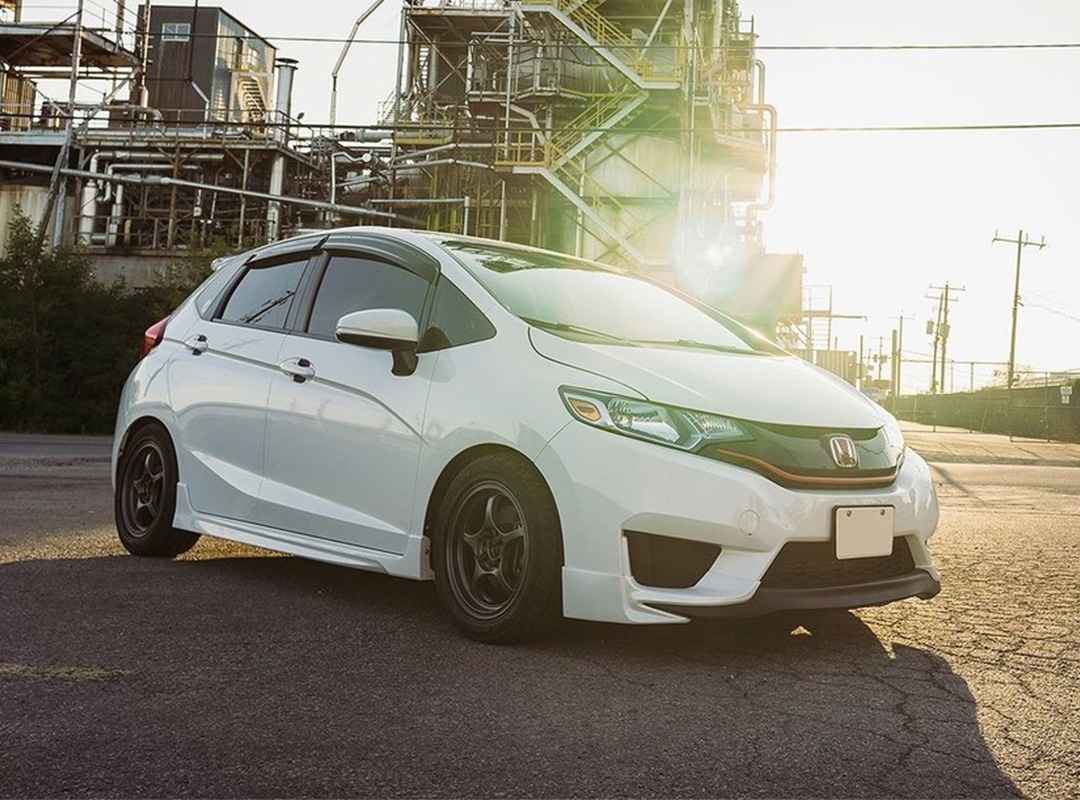
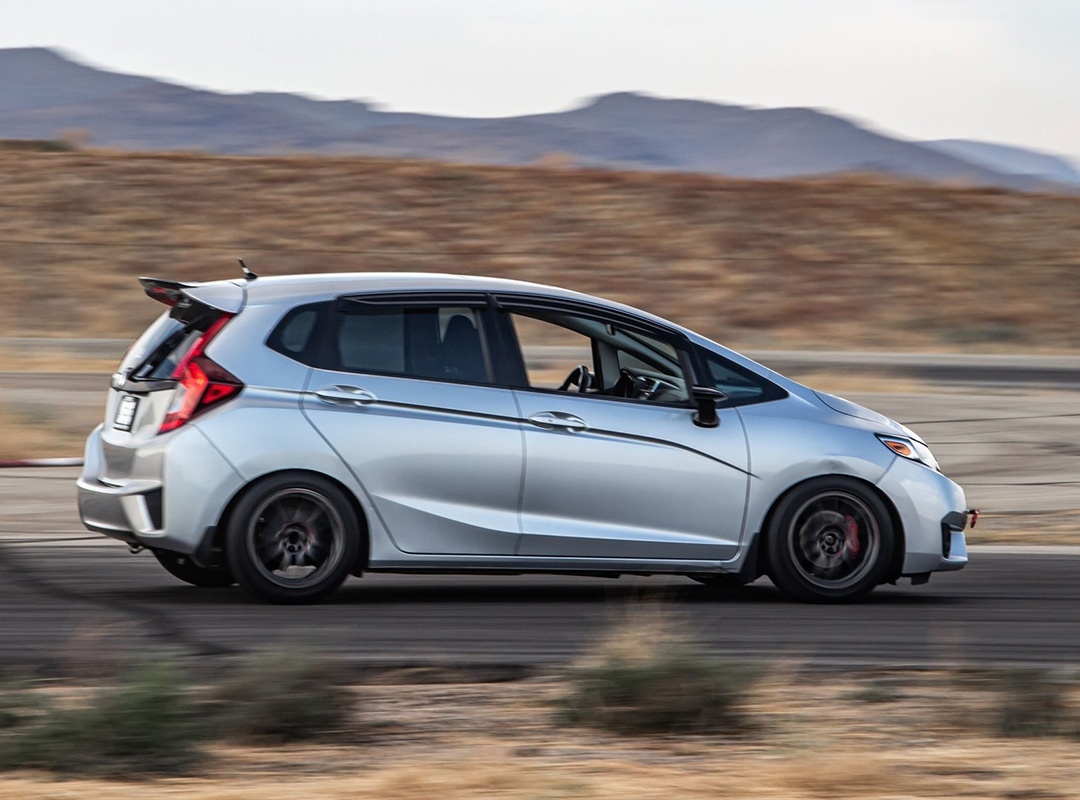
The third-generation Honda Fit might be one of the most underrated little cars ever sold in the U.S. Powered by the naturally aspirated 1.5L L15 engine and putting power down through the front wheels, the Honda Fit was designed to be an econobox, but it has somehow found its way to autocross pads and racetracks all over the United States.
The GK5 Fit is lightweight, practical, surprisingly spacious, and has one of the best little chassis Honda has put together in recent years. Slap on some suspension upgrades, lightweight wheels, and good tires, and you can turn this tiny hatchback into a ridiculously fun daily driver without spending a fortune. Owners have found exactly what these cars need and are building them for street driving, autocross, track days, and everything in between.
So how do you build a third-generation Honda Fit the right way? Let's get into it.
Getting Started: Ideal Order of Operations
The third-generation Fit is all about handling over horsepower. A smart build for one of these cars should focus on making the car lighter, sharper, and more responsive before worrying about making more power. That being said, here's the order we would recommend:
Maintenance and Reliability Mods - Start with fresh fluids, plugs, filters, and making sure the car is mechanically healthy.
Suspension upgrades - Reduce body roll, improve ride control, and dial in your ride height.
Wheels and Tires -Lightweight and wider wheels. A set of sticky tires completely change how the Fit drives.
Chassis upgrades - Add bracing and other components to tighten up the already lightweight chassis.
Bolt-On Performance - Intake, exhaust, and other small modifications can improve throttle response and sound.
Brakes - Upgrade pads, fluid, and other components if you're driving aggressively or heading to the track.
Best Suspension Upgrades For The 3rd Generation Honda Fit
The Fit's lightweight chassis is already pretty solid, but the factory suspension leaves plenty of room for improvement. Now you can go ahead and slam these things on the ground, but if you’re after lap times things like better dampers, springs, and proper alignment can make the car significantly more enjoyable without ruining its practicality.
Coilovers
If you want adjustable ride height and a more aggressive setup:
BC Racing BR Series – One of the most common coilover setups you'll find on GK5 builds. Adjustable ride height and damping make them a popular entry level choice for street and track cars.
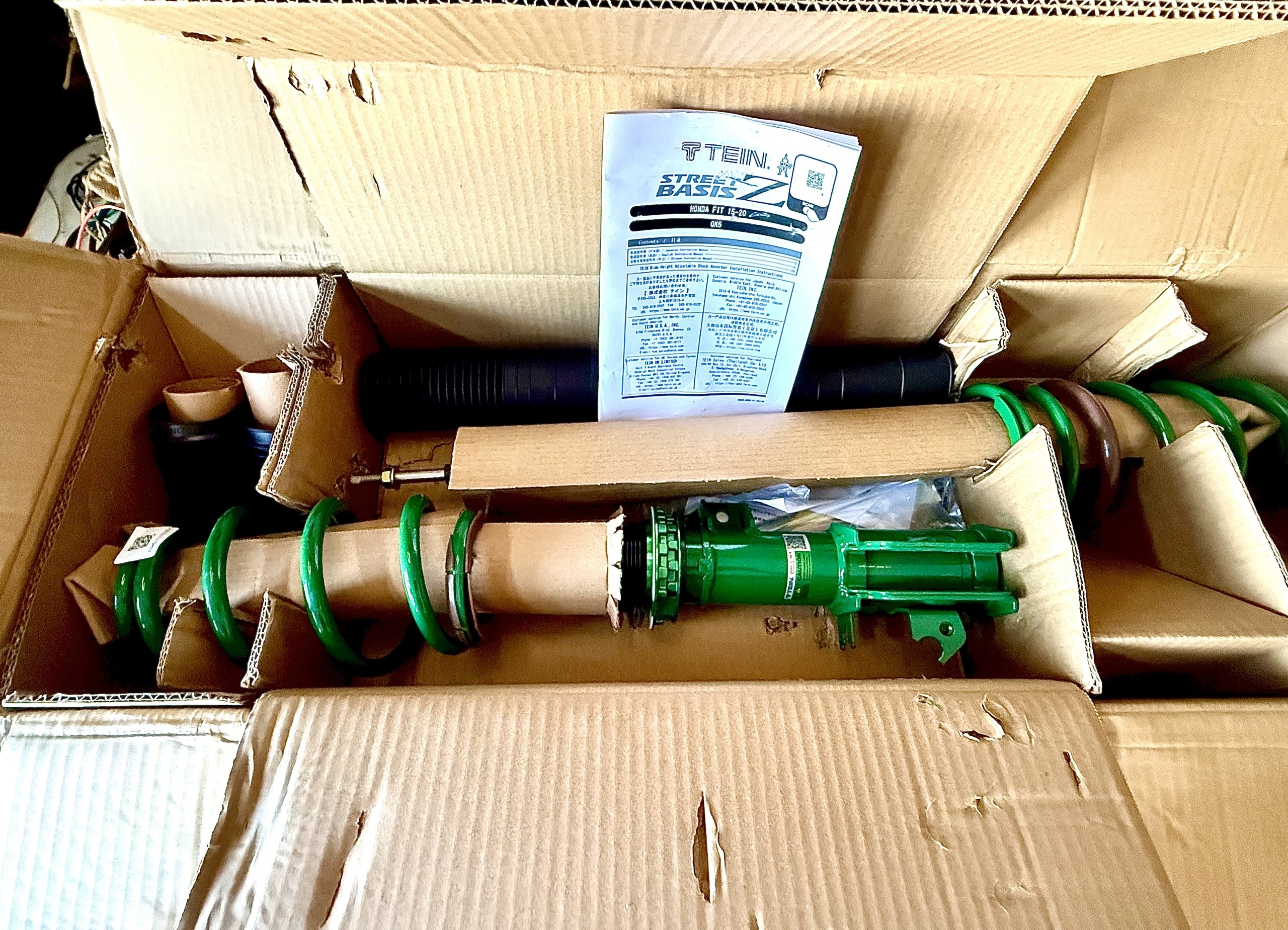
TEIN Street Basis Z – A more street-focused option that keeps the price reasonable while giving the car an adjustable drop. TEIN setups are frequently recommended by Fit owners looking for a comfortable daily-driver setup.
Fortune Auto 510 Series – A premium option for owners who want better damping and performance focused around track driving
Tein Street Basis Z Coilovers - GK5 Honda Fit
Lowering Springs
If you don't need adjustable ride height, lowering springs are the move. Unfortunately options are limited for the GK5 compared to previous generations.
Tein S Tech - Offering about a 1.5 inch drop in ride height.
Rear Sway Bars
If you ask enough Fit owners what their first modification should be, you're going to hear the same answer over and over. Rear sway bar
The factory setup allows a lot of body roll, and the GK5 has plenty of natural front-wheel-drive understeer. A larger rear sway bar helps the car rotate more naturally and makes the chassis feel much more responsive.
Progress 19mm Rear Sway Bar – The community favorite for improving rotation and reducing body roll.
What Wheels And Tires Fit The 3rd Generation Honda Fit?
The GK5 uses a 4x100 bolt pattern, which means you have a decent selection of lightweight wheels to choose from. (Thanks Miata) The car doesn't have a ton of power, so reducing rotational mass is something you can really feel. GK5 owners commonly run 15" and 16" wheels with 195 or 205-width tires.
Recommended Wheel Sizing
Street Setup
Diameter: 15" – 16"
Width: 7.0" – 8.0"
Offset: +33 – +42
A very popular setup:
16x7 +38
Or for a lighter, smaller setup:
15x7 +35 to +42
Recommended Tire Size
195/55R15
205/50R16
205/50R15
Recommended Wheels
So, what’s your poison when it comes to wheels? Here are some of our recommendations for a lightweight setup.
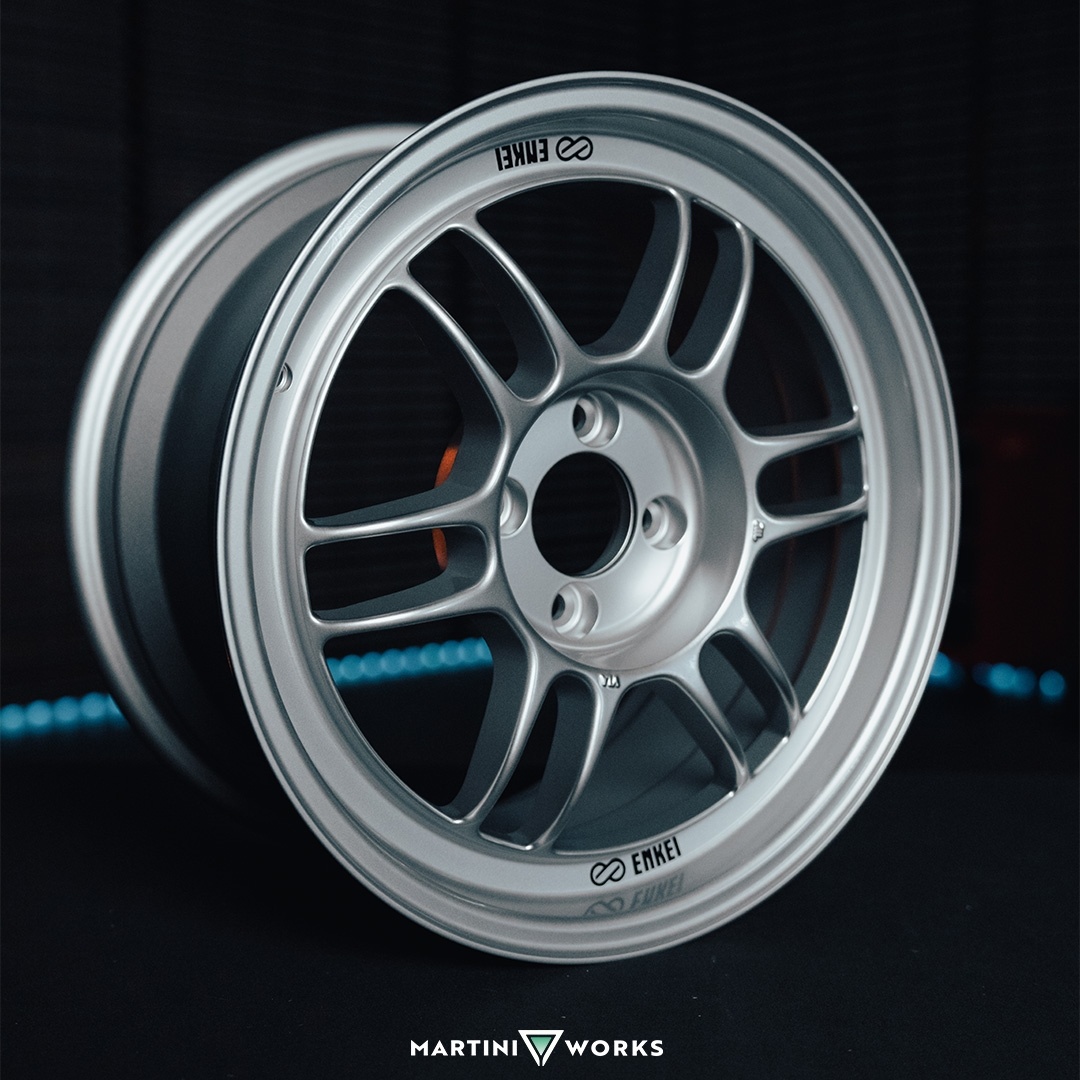
Enkei RPF1 - Probably the most obvious choice for a performance-focused Fit. Lightweight, available in 15" and 16" sizes.
Enkei PF01 - The same thing that makes the RPF1 great, but in a different design for those who want something a bit different.
Konig Hypergram - Another lightweight flow formed option coming in popular sizes for the Honda Fit.
Advan RG-D2 - More expensive, a bit harder to get, but it’s a JDM wheel and will get you some killer style points.
Recommended Tires
If there would be a place to focus your money when it comes to the Honda Fit, it would be here.
Michelin Pilot Sport 4 - Excellent street tire with strong dry and wet performance.
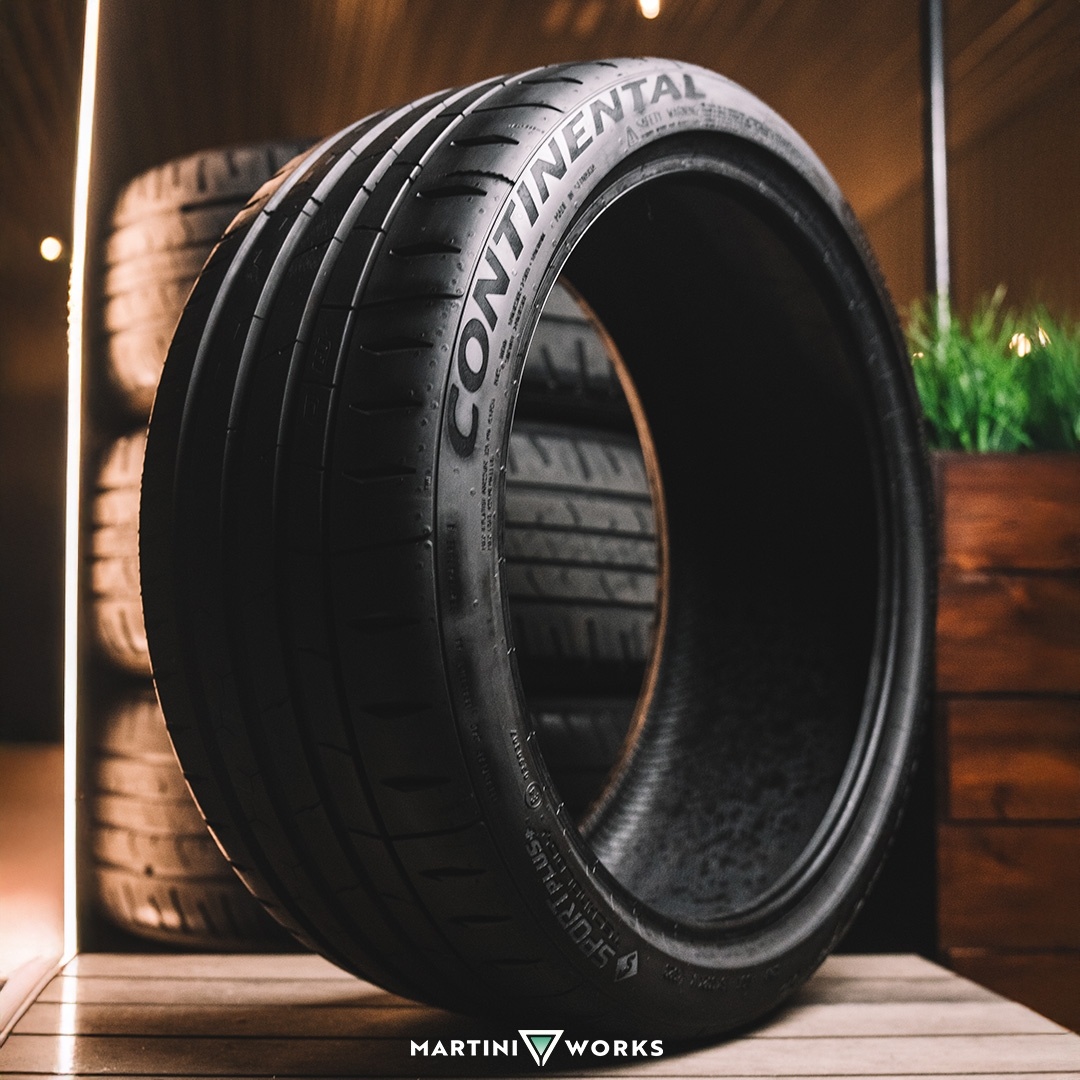
Continental ExtremeContact Sport 02 - Great balance between grip, comfort, and daily usability.
Falken Azenis RT615K+ - A much more aggressive option for autocross and track use.
Toyo Proxes R1R - Another popular choice for owners looking for a sticky tire without going all the way to a dedicated track tire.
Chassis And Bracing Upgrades
The Fit is already light, but additional chassis bracing can make the car feel tighter and more responsive. Popular options within the Fit community include:
Hardrace Rear Center Brace – Helps stiffen the rear of the chassis and is frequently mentioned by owners looking for additional response.
Cusco Front Lower Arm Bar – A popular chassis brace option for tightening up the front end.
Rear Shock Tower Brace – Helps tie the rear suspension together and can improve overall chassis response.
Bolt-On Performance For The 3rd Generation Honda Fit
Here's where expectations need to be realistic. The 1.5L L15 isn't going to turn into a Type R with an intake and exhaust. Most owners who have spent time modifying these cars agree that handling upgrades provide a much bigger improvement than engine bolt-ons. That doesn't mean you can't modify the engine. Just don't expect miracles.
Intake Systems
An intake won't add a huge amount of horsepower, but it can improve throttle response and give the engine a much better sound.
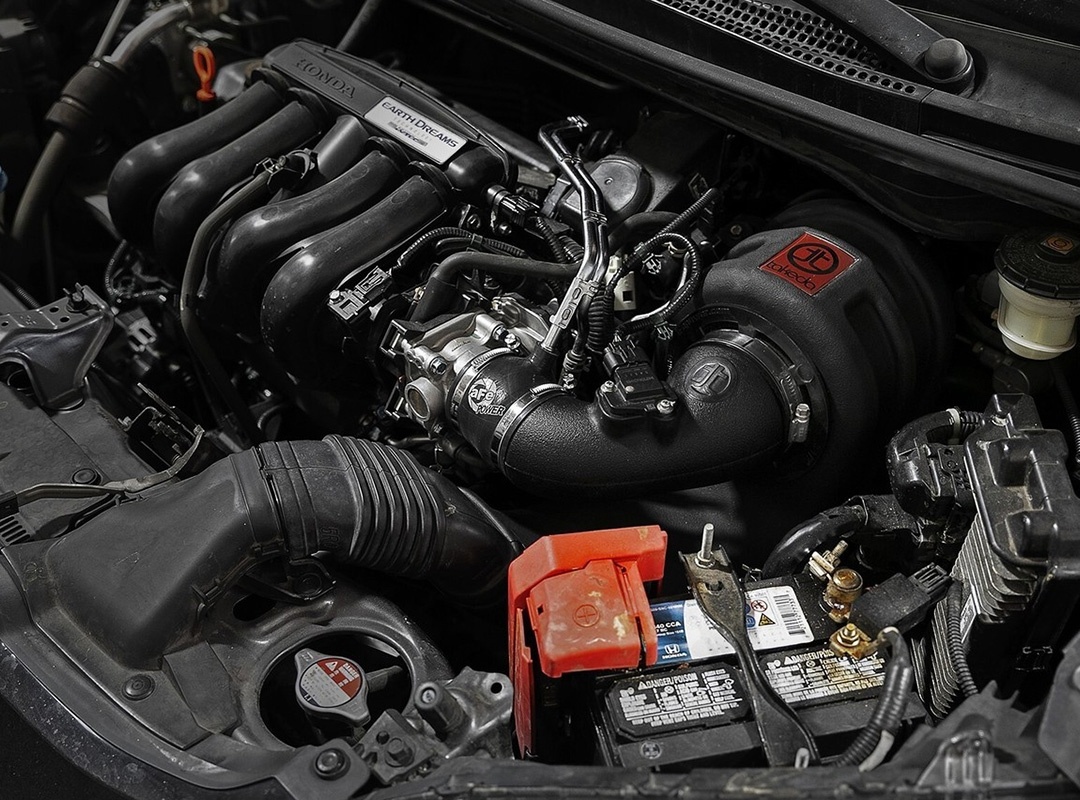
aFe Takeda Momentum - One of the better-known intake options for the Fit platform.
OEM Intake Modification – Some owners modify the factory intake and airbox rather than spending big money on an aftermarket system.
The biggest benefit here is usually sound rather than outright power.
aFe Takedea Momentum Intake - GK5 Honda Fit
Exhaust Systems
An exhaust can give the Fit a much more aggressive character without trying to turn it into something it isn't.
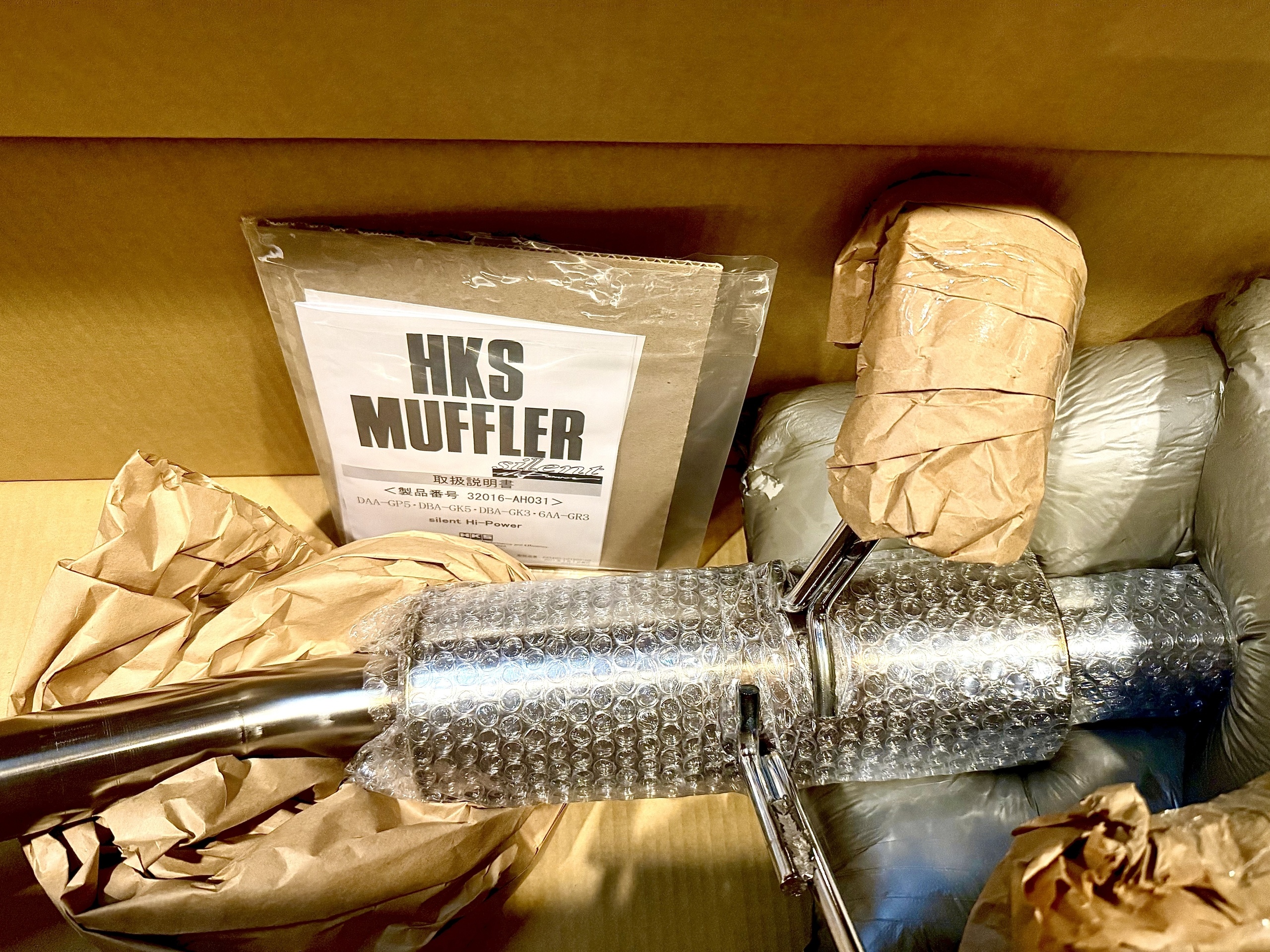
HKS Hi-Power Exhaust – A popular option among Fit enthusiasts and documented on multiple GK5 builds.
Yonaka Catback Exhaust – Another popular choice for owners looking for more sound without going completely overboard.
Tanabe Medalion Exhaust – A well-known JDM-style option that has been used on Fit builds.
Headers
Headers are one of the more serious naturally aspirated bolt-ons for the L15.
A header combined with an intake, exhaust, and proper tuning can help the engine breathe better, but gains are still going to be modest compared with what you'd see from a turbocharged platform.
HKS Hi-power Exhaust System - GK5 Honda Fit
Tuning
This is another area where expectations matter. A tune can help optimize an intake, exhaust, or header setup, but the naturally aspirated L15 doesn't have the same tuning headroom as something like a turbocharged Honda.
KTuner – One of the more commonly discussed tuning solutions for the Fit platform.
Hondata – Another Honda tuning platform that can be used depending on the specific application and setup.
A tune should be viewed as the final step in a naturally aspirated build rather than the first modification.
Brake Upgrades
The Fit is lightweight, so you don't necessarily need a giant brake kit for a street car. For most owners, better pads, fresh fluid, and quality tires are going to make a bigger difference than immediately jumping to a big brake conversion.
Street Brake Setup
Performance brake pads
Fresh high-temperature brake fluid
Quality Rotors
Stainless steel brake lines
For more aggressive builds, brake conversions using larger Honda components are possible, but they're generally more useful for track-focused cars than daily drivers. Fit owners frequently point out that the factory brakes are already adequate for normal spirited driving.
Conclusion
The third-generation Honda Fit is one of those cars that makes you question why you ever thought you needed more horsepower. It's lightweight, practical, inexpensive, and ridiculously fun when you start modifying the right things. Start with the rear sway bar. Add suspension. Put it on good tires. Then worry about the engine. And if you eventually decide you need 300 horsepower, well...There's always a K-swap.
Build it right, and the third-generation Fit becomes one of the most entertaining little cars you can drive.
Mod your car with your friends at MartiniWorks.